In today's fast-paced digital environment, high-speed networking has become essential. SFP+ transceivers play a crucial role in achieving faster data transmission. These compact devices enable network switches and routers to communicate efficiently. They ensure that data flows seamlessly between servers, reducing latency and improving overall performance.
Choosing the right SFP+ transceiver is vital for any organization. Factors such as compatibility, data rates, and distance must be considered. Many options are available, but not all perform equally well. It can be challenging to identify which ones meet specific networking needs. Sometimes, users may overlook important specifications, leading to suboptimal performance.
However, it's not just about speed. Reliability matters too. The right SFP+ transceiver can enhance uptime and minimize disruptions. A poorly chosen transceiver can result in connection issues and data loss. Thus, careful selection based on experience and expertise is necessary. Understanding the market and available options can help users make informed choices for their networking solutions.
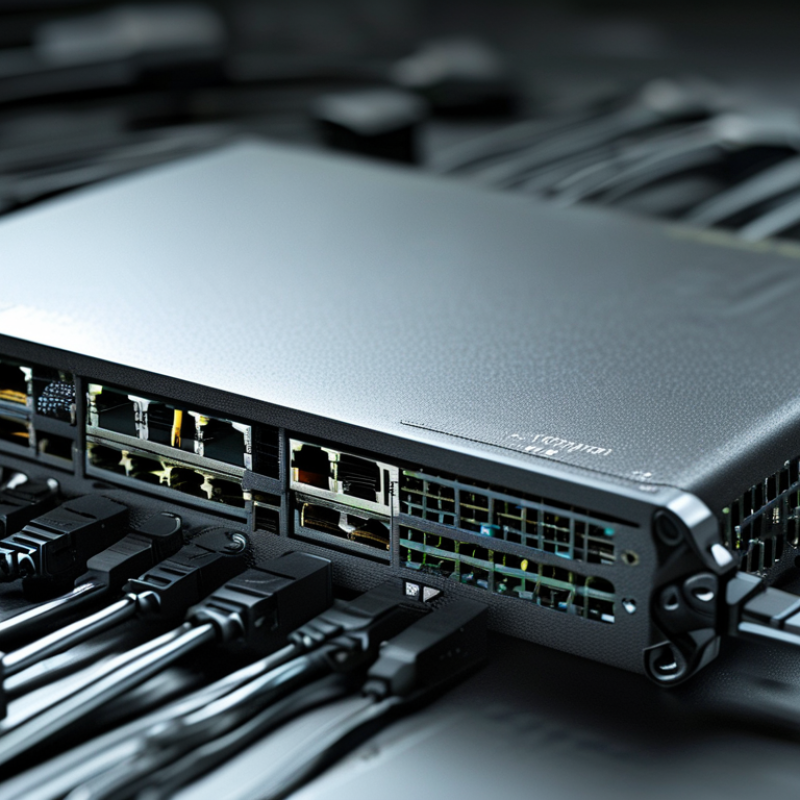
Overview of SFP+ Transceivers in Networking
SFP+ transceivers play a critical role in high-speed networking. Their ability to support data rates up to 10 Gbps makes them ideal for various applications. According to the latest industry report from Dell’Oro Group, the market for SFP+ transceivers is projected to grow steadily, with a compound annual growth rate (CAGR) of approximately 8% through 2025. This growth highlights the increasing demand for efficient and reliable networking solutions.
These transceivers enable flexible connectivity options for data centers and enterprise networks. With their compact design, they can be easily integrated into existing network infrastructures. Additionally, the multi-source agreement (MSA) for SFP+ ensures interoperability among different manufacturers, promoting a vibrant ecosystem. Despite their advantages, there are challenges in achieving optimal compatibility and performance levels. Regular testing is essential to maintain quality and avoid network interruptions.
When selecting SFP+ transceivers, network engineers often face decisions regarding compatibility and performance. Understanding the specifications is vital. Factors such as wavelength, reach, and power consumption require careful consideration. Efficient management of these components can lead to enhanced network performance. However, industry reports suggest that misconfigurations often lead to reduced efficiency, calling for ongoing education and training in this rapidly evolving field.
Key Features of SFP+ Transceivers for High-Speed Data Transfer
When selecting SFP+ transceivers for high-speed networking solutions, understanding key features helps ensure optimal performance. These devices typically support data rates of up to 10 Gbps. A vital aspect is compatibility with different types of fiber. Transceivers can utilize single-mode or multi-mode fibers, depending on the required distance and environment. Options vary, making the choice significant for network efficiency.
Another important feature is the range of operating temperatures. Many transceivers can operate in harsh conditions. This flexibility is crucial for data centers facing temperature fluctuations. Quality transceivers also offer advanced diagnostic capabilities. Monitoring parameters like temperature and signal strength ensures reliable performance. However, not all transceivers provide these features, prompting a careful evaluation during selection.
Power consumption is also worth consideration. Some SFP+ modules consume more power than others. This can affect overall network costs and sustainability efforts. Therefore, evaluating energy-efficient options can lead to long-term savings. While there are many available options, it's essential to weigh benefits against potential drawbacks. Consider the environment, compatibility, and future-proofing needs carefully.
Top Brands Offering High-Performance SFP+ Transceivers
When discussing high-performance SFP+ transceivers, several brands stand out for their innovation and reliability. These brands focus on producing devices that meet the demands of modern networking solutions. Their transceivers support high-speed data transmission and ensure minimal latency. This is crucial for data centers and enterprises striving for seamless connectivity.
Many top manufacturers invest heavily in research and testing. They prioritize quality, confirming that their products can operate efficiently in various conditions. This attention to detail contributes to the longevity and stability of the transceivers. However, not every option may meet specific network needs. Users often face dilemmas in choosing the right model, considering factors like compatibility and budget.
It's essential to evaluate options based on performance metrics. Some products might promise high speeds but fall short in real-world applications. Conducting thorough assessments can uncover these discrepancies. By analyzing user feedback and expert reviews, one can make informed decisions. Finding the perfect SFP+ transceiver may take time, but the benefits of choosing wisely are undeniable.
Comparative Analysis of SFP+ Transceivers for Different Applications
When it comes to selecting SFP+ transceivers, understanding their applications is crucial. Data from market analysts shows that the demand for high-speed networking solutions is rising. In 2022, the global SFP+ transceiver market was valued at over $2 billion, with projections estimating growth at a CAGR of 15% through 2027. This highlights the importance of choosing the right transceiver for specific networking needs.
Applications vary widely; from data centers to telecommunications, each environment necessitates different specifications. For instance, a long-range module might excel in a telecommunications setting, while short-range variants are efficient in data center applications. But, not all transceivers perform well under heavy loads. Reports indicate that some transceivers can heat up significantly, impacting their longevity and performance. This is a key consideration for IT managers planning scalable networks.
Furthermore, compatibility issues often arise when integrating different systems. Transceivers may not always work seamlessly with existing networking hardware. In some cases, they can lead to unexpected errors or degraded connections—issues that can lead to significant downtime. Testing and validation are thus essential steps for deployment, which can be overlooked in rush situations. Addressing these challenges can ensure that high-speed networking solutions meet organizational goals effectively.
Comparative Analysis of SFP+ Transceivers by Data Rate
Future Trends in SFP+ Transceiver Technology for Networking Solutions
The landscape of networking solutions is rapidly evolving as demands for high-speed connectivity increase. SFP+ transceivers remain pivotal in this shift, facilitating data rates up to 10 Gbps. Recent reports indicate a projected growth of the optical transceiver market by 12.5% CAGR from 2023 to 2030. This trend underscores the essential role of SFP+ technology in meeting future networking needs.
As technology advances, we can expect SFP+ transceivers to adapt with enhanced capabilities. Emerging trends like increased integration and support for higher bandwidths are underway. Innovations in silicon photonics may lead to more compact and efficient designs. Analysts predict that by 2025, up to 50% of data center interconnects will utilize these next-gen transceivers.
Tips: Always assess compatibility before purchasing transceivers. Investing in higher-quality products can yield better long-term performance. Monitor industry standards as they evolve to ensure your networking solutions remain relevant. Emphasizing these details can significantly impact overall network efficiency and reliability.
Best SFP+ Transceivers for High Speed Networking Solutions
| Transceiver Type |
Maximum Data Rate |
Distance |
Wavelength |
Connector Type |
Compatibility |
| SR (Short Range) |
10 Gbps |
300 m |
850 nm |
LC |
Most Major Switches |
| LR (Long Range) |
10 Gbps |
10 km |
1310 nm |
LC |
Most Major Switches |
| ER (Extended Range) |
10 Gbps |
40 km |
1550 nm |
LC |
Most Major Switches |
| ZR (Z-Range) |
10 Gbps |
80 km |
1550 nm |
LC |
Most Major Switches |
| Passive Copper Cable (DAC) |
10 Gbps |
Up to 5 m |
N/A |
SFP+ |
Most Major Switches |
Conclusion
SFP+ transceivers play a crucial role in modern networking by enabling high-speed data transfer through their compact form factor and versatile connectivity options. These transceivers support data rates of up to 10 Gbps, making them ideal for various applications, including data centers, enterprise networks, and high-performance computing environments.
Key features that distinguish SFP+ transceivers include their ability to operate over different types of cabling, such as fiber and copper, as well as their hot-swappable nature, which allows for easy installation and replacement without network downtime. As technology advances, future trends in SFP+ transceiver development are expected to focus on increasing data rates, improving energy efficiency, and expanding compatibility with emerging networking standards. This evolution will further enhance their utility in supporting robust networking solutions for the ever-growing demands of data traffic.

 LumoWave