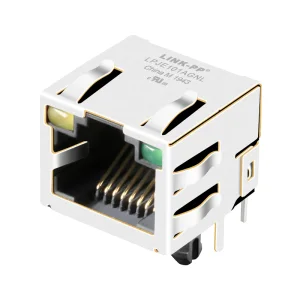
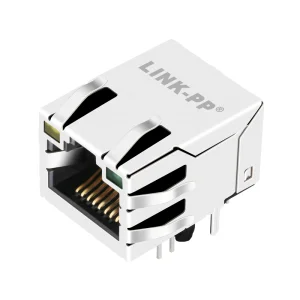
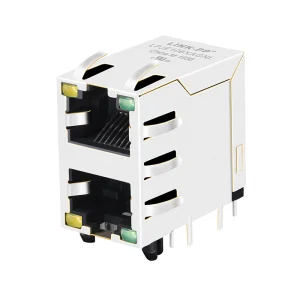
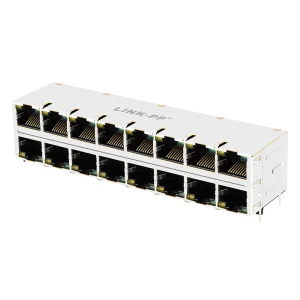
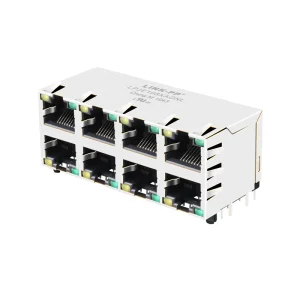
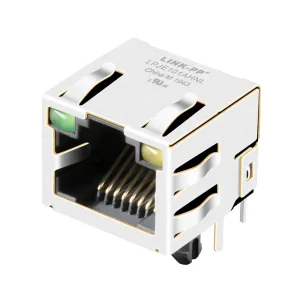
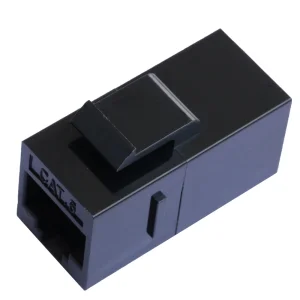
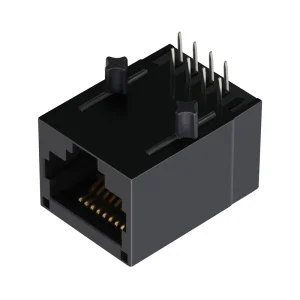
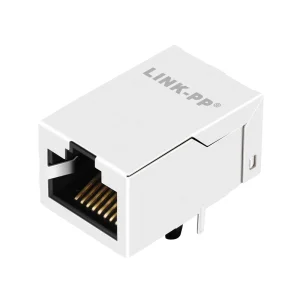
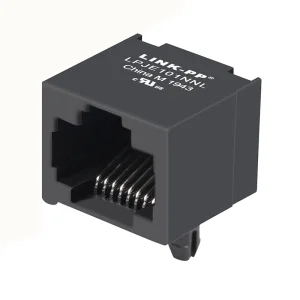
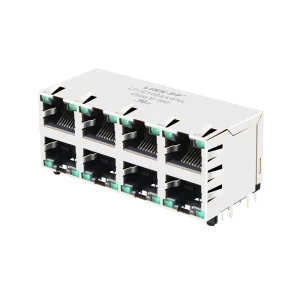
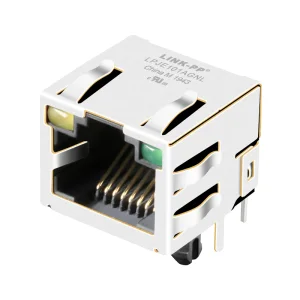
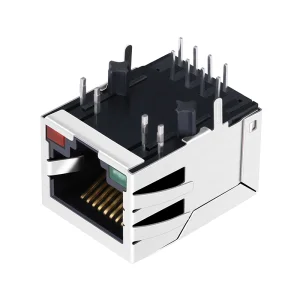
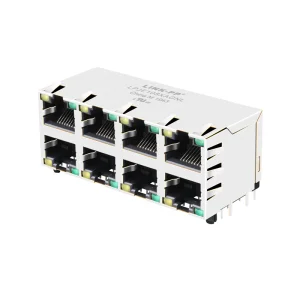
In the contemporary landscape of high-speed data transmission, the RJ45 Female Connector without Magnetics has emerged as a critical component for specialized electronic design. Unlike Integrated Connector Modules (ICMs) that house transformers and common-mode chokes inside the jack, non-magnetic RJ45 connectors provide the "raw" physical interface. This architectural choice is driven by the need for flexibility in PCB layout, where engineers prefer to place discrete magnetics to optimize signal integrity or meet stringent galvanic isolation requirements.
Globally, the market for RJ45 connectors is undergoing a paradigm shift. As 5G infrastructure, Edge Computing, and Industrial IoT (IIoT) proliferate, the demand for modularity has skyrocketed. Manufacturers are now focusing on miniaturization and high-density port configurations (such as 2x4, 2x8, and stacked variants) to accommodate the shrinking real estate of networking switches and industrial controllers. The absence of internal magnetics allows for a shorter connector depth, facilitating slimmer device profiles—a key requirement for modern telecommunications hardware.
From a commercial perspective, the "Without Magnetics" category represents a significant portion of the OEM/ODM volume. Major tech hubs in North America and Europe are increasingly sourcing these components for medical imaging devices and aerospace applications, where discrete magnetics allow for better EMI (Electromagnetic Interference) shielding customization tailored to specific regulatory standards like EN 60601-1 for medical electrical equipment.
Future iterations of RJ45 connectors are moving toward Liquid Crystal Polymer (LCP) housings to withstand higher reflow soldering temperatures. Contact plating technology is evolving from standard gold-over-nickel to advanced Pd-Ni (Palladium-Nickel) alloys, ensuring 750+ mating cycles and superior corrosion resistance in harsh industrial environments.
As data rates push toward 10GBASE-T and beyond, even non-magnetic connectors must address internal crosstalk. Designers are implementing offset pin alignments and enhanced 360-degree shielding to minimize NEXT (Near-End Crosstalk) and FEXT (Far-End Crosstalk), ensuring that the physical link does not become a bottleneck for high-frequency signals.
The industry is transitioning toward "Green Interconnects." This includes lead-free (RoHS compliant) manufacturing and the use of halogen-free plastics. Furthermore, the circular economy is influencing connector design, with a focus on ease of disassembly for precious metal recovery at the end of the product lifecycle.
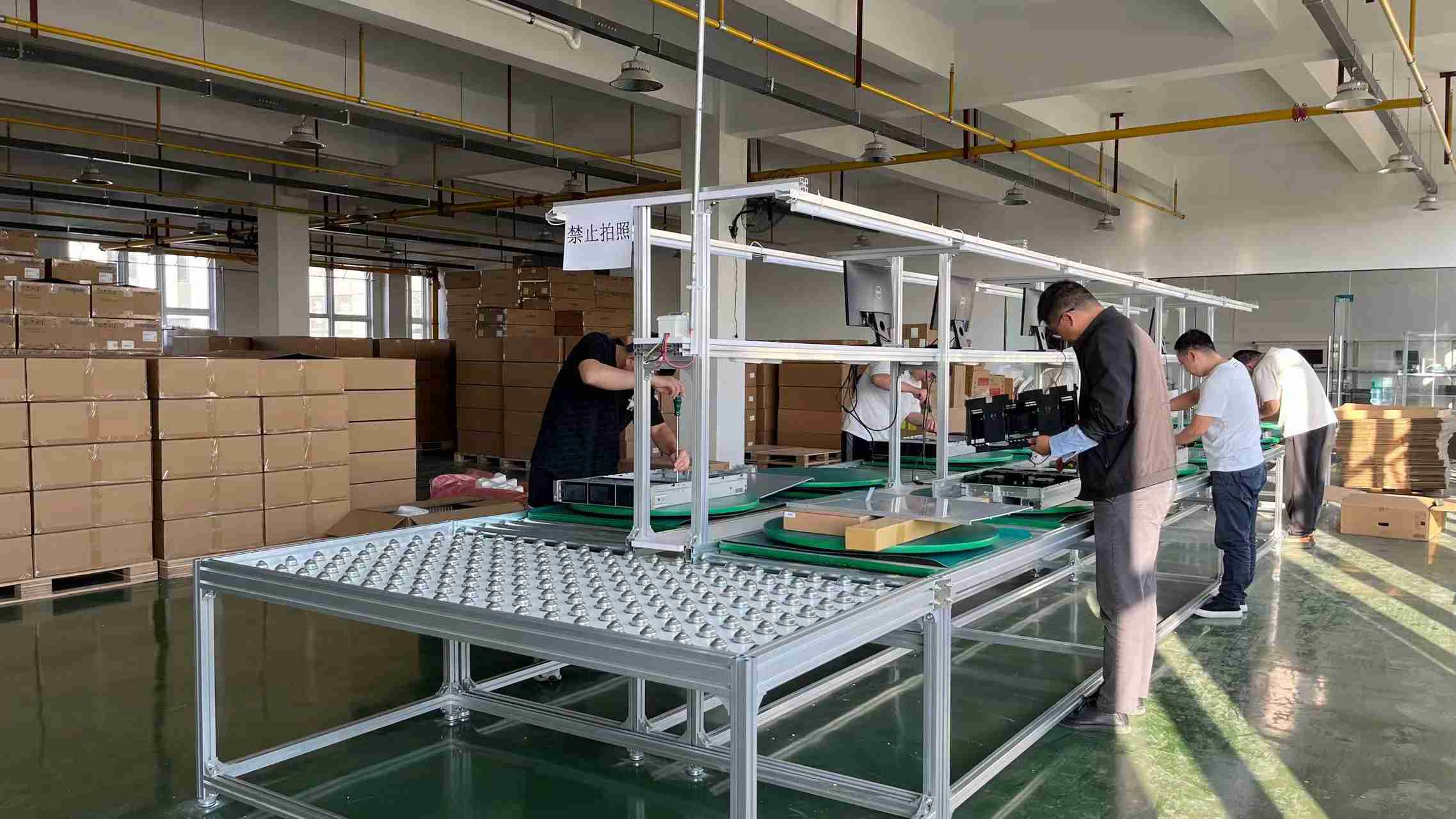
At LumoWave, our manufacturing process for RJ45 connectors without magnetics follows a rigorous Zero-Defect Philosophy. The roadmap includes the integration of AI-driven Automated Optical Inspection (AOI) at every stage of the assembly line. This ensures that every 8P8C contact point meets the precise coplanarity requirements necessary for reliable Surface Mount Technology (SMT) or Through-Hole (THT) assembly.
Current trends also indicate a rise in PoE (Power over Ethernet) compatibility for non-magnetic jacks. Even without internal transformers, the physical contact design must be robust enough to handle the DC current of PoE++ (up to 90W) without excessive thermal rise, preventing contact pitting during "unmating under load" scenarios.
In Programmable Logic Controllers (PLCs) and Human-Machine Interfaces (HMIs), RJ45 connectors without magnetics are used to connect to external isolation transformers on the PCB. This allows for high-voltage isolation (up to 2.5kV) necessary in environments with heavy motor noise and electrical surges.
Medical-grade networking hardware requires strict adherence to leakage current standards. By using non-magnetic RJ45 jacks and implementing high-creepage discrete magnetics, manufacturers can ensure patient safety in diagnostic equipment like MRI scanners and bedside monitors.
For lighting controllers and HVAC sensors, the RJHSE-5381 series offers a compact footprint. The integrated LEDs (Green/Yellow) provide immediate visual diagnostics for link status, reducing maintenance time in large-scale deployments.
LumoWave Optical Technology Co., Ltd. is a professional optical transceiver and interconnect manufacturer specializing in high-speed fiber optic communication and networking solutions for global data centers, telecom operators, and enterprise networking applications. Built under the brand LumoWave, the company is committed to delivering stable, high-performance, and cost-effective solutions.
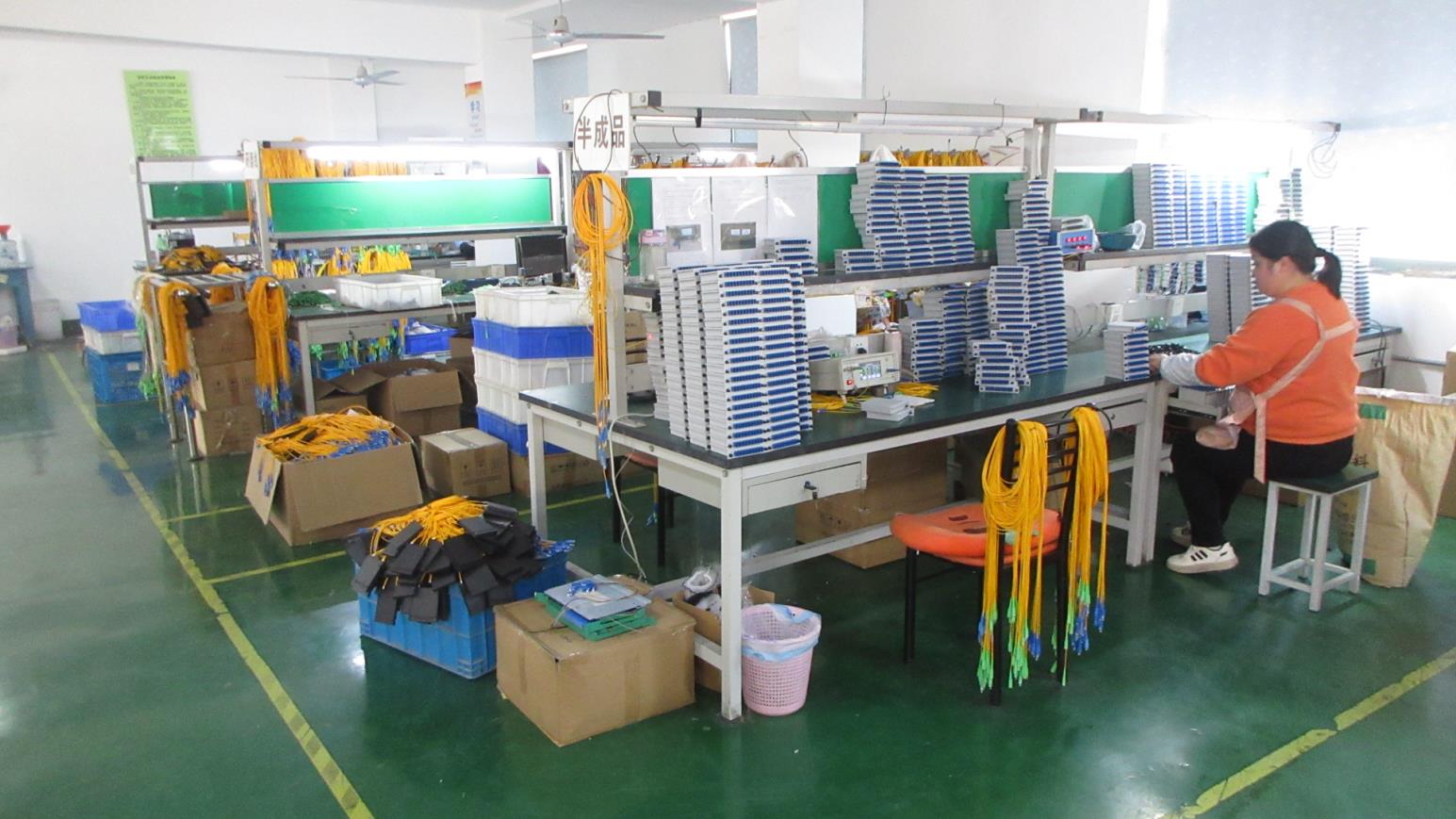
Founded in 2016, LumoWave has developed into a reliable OEM/ODM supplier with a modern production facility covering approximately 320,000㎡. The company generates an annual export revenue of around $12 million, with 8 years of export experience and 12 years of industry expertise in optical and networking technologies.


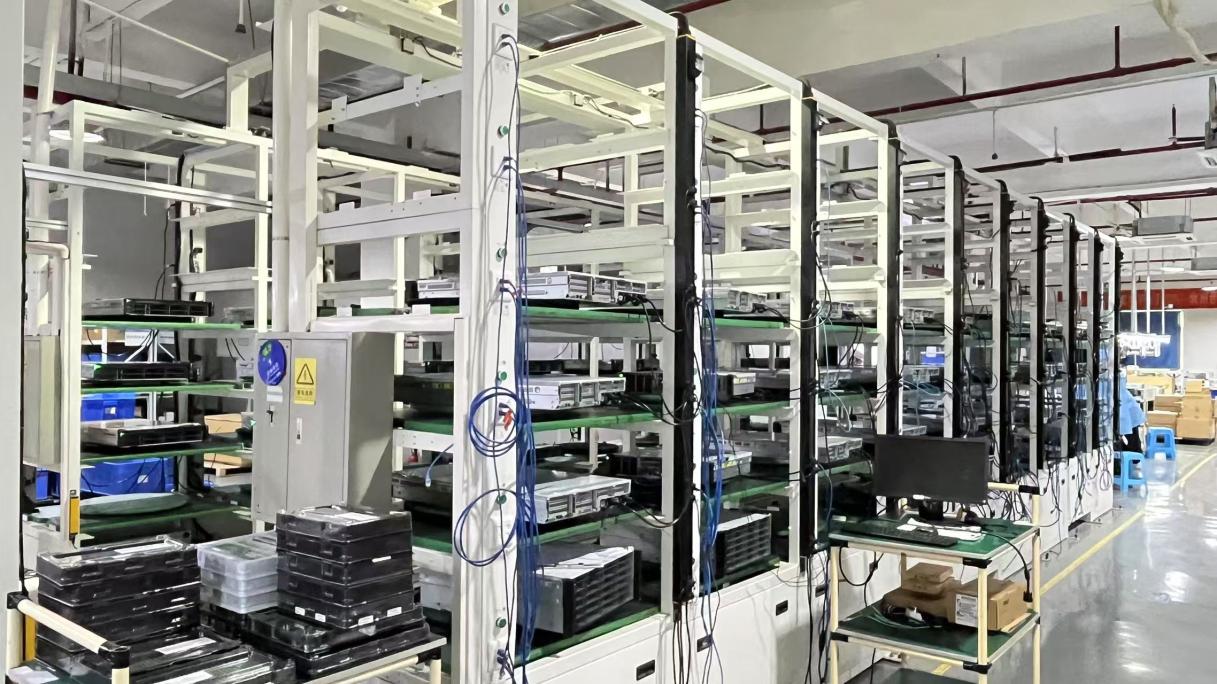
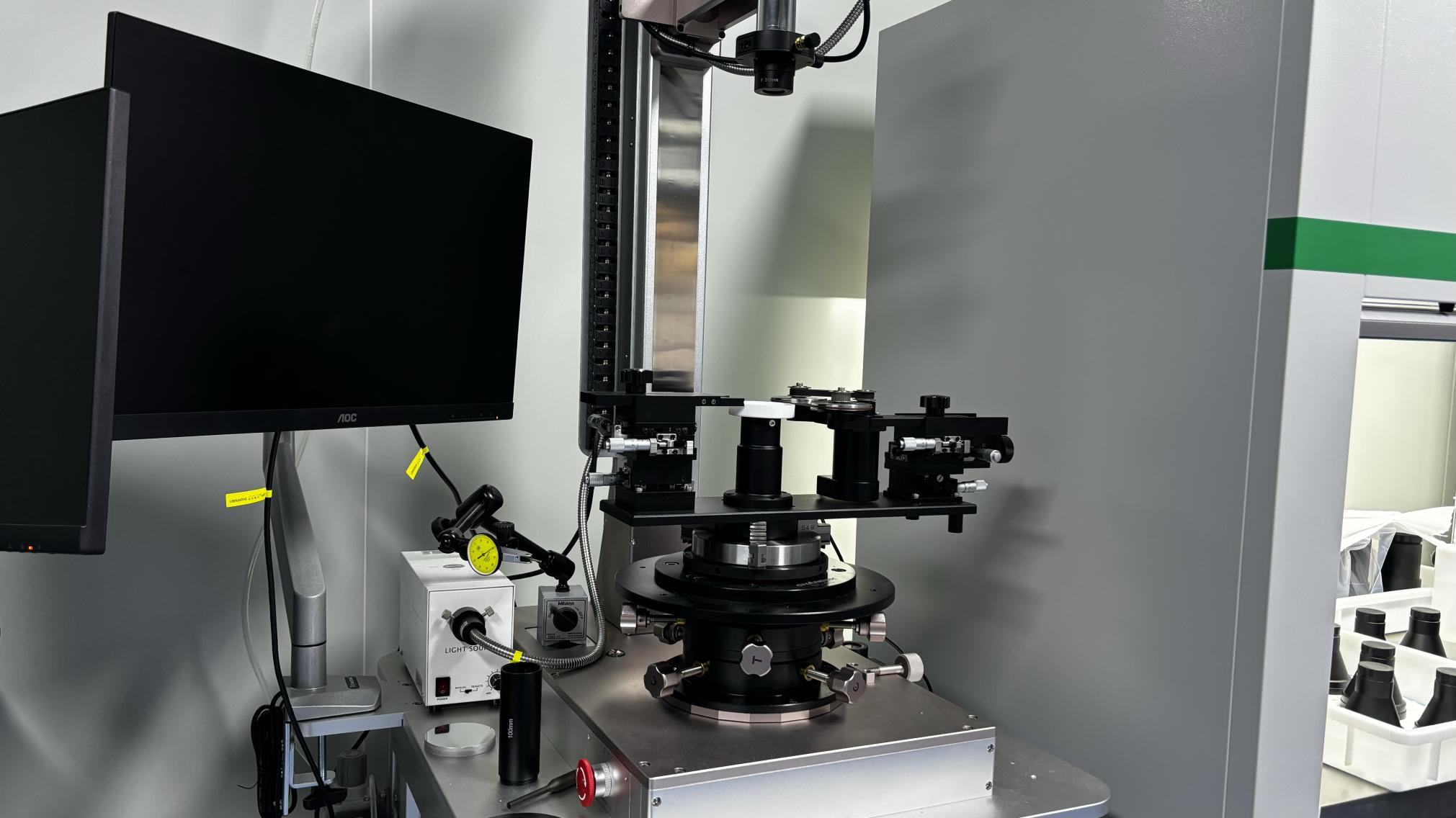

Our solutions cater to a broad spectrum of high-stakes industries, providing the backbone for digital transformation:
A: Choosing a connector without magnetics (non-ICM) allows for greater design flexibility. Engineers can select specific transformers that match their PHY chip requirements, optimize PCB space by placing discrete components, and often achieve better thermal management and EMI performance through custom shielding strategies.
A: Yes. While the connector itself is a physical interface, high-quality non-magnetic RJ45 jacks like the ARJ045-010156 are designed to handle the frequencies required for 10/100/1000 Mbps and even 2.5G/5G/10G Ethernet, provided they are paired with appropriate magnetics on the PCB.
A: We provide extensive customization including LED color combinations (G/Y, R/G, etc.), shielding options (with or without EMI tabs), contact plating thickness (from Gold Flash to 50u"), and packaging formats (Tape & Reel for automated assembly or Tray for manual assembly).
A: Our R&D team of 85 engineers implements rigorous lifecycle testing. This includes salt spray testing for corrosion resistance, mechanical shock and vibration testing for industrial applications, and high-temperature aging tests to simulate long-term deployment in data center environments.
 LumoWave