Why Choose QSFP Transceiver for High Speed Networking?

Time:2026-06-29 Author:Charlotte
0%

In today's fast-paced digital landscape, high-speed networking is essential. The QSFP transceiver stands out as a key component for achieving superior data rates. Renowned expert Dr. Jane Smith, a leader in optical networking technology, states, “The QSFP transceiver bridges the gap between speed and efficiency.” This statement underscores the pivotal role of QSFP transceivers in contemporary networking solutions.

As organizations demand faster and more reliable connections, the QSFP transceiver meets these needs. Its compact design and versatile applications make it a preferred choice for data centers and enterprise networks. From 40G to 100G speeds, QSFP technology evolves, adapting to changing market demands. However, it's crucial to remember that with innovation comes complexity. Users must evaluate compatibility and future-proofing to ensure long-term success.

Moreover, selecting the right QSFP transceiver involves understanding your specific networking requirements. Each deployment scenario may present unique challenges. While QSFP transceivers offer impressive performance, organizations must also consider factors like power consumption and heat dissipation. This nuance highlights the need for careful analysis in decision-making.
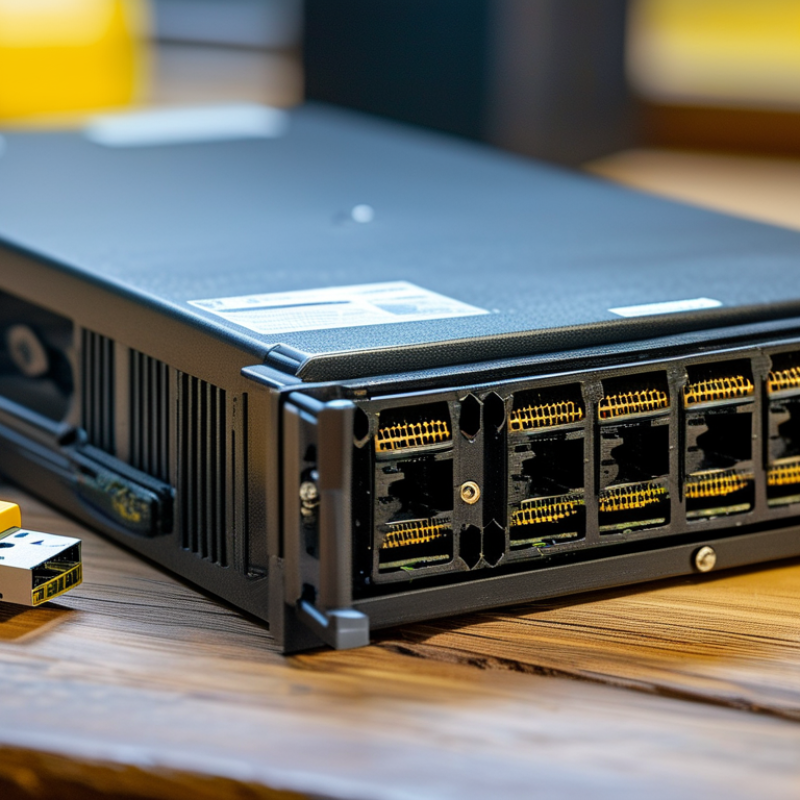
Why Choose QSFP Transceiver for High Speed Networking?

Benefits of QSFP Transceivers in High-Speed Networking Applications

QSFP transceivers have become essential in high-speed networking applications. These devices support multiple data rates up to 400 Gbps, catering to the needs of modern data centers. According to a report by Mordor Intelligence, the QSFP transceiver market is expected to grow at a compound annual growth rate (CAGR) of over 12% through 2025. This remarkable growth indicates the increasing demand for high-bandwidth solutions in networking infrastructures.

One significant benefit of QSFP transceivers is their versatility. They can operate over various distances and support different forms of fiber or copper cabling. This adaptability enables seamless integration into existing systems while maintaining optimal performance. In real-world scenarios, organizations have reported reduced latency and improved throughput, crucial for applications such as cloud services and big data processing.

Tip: When selecting transceivers, consider the specific requirements of your network’s architecture. Conducting thorough assessments ensures that the chosen QSFP modules meet your performance expectations.

While the advantages are clear, organizations must also be mindful of compatibility issues. Not all devices or cabling infrastructure seamlessly support QSFP transceivers. It’s essential to verify compatibility to avoid potential bottlenecks. Regularly reviewing your network setup can help address these concerns and enhance overall performance.

Comparison of QSFP Transceivers with Other Transceiver Technologies

When considering networking solutions, the choice of transceiver technology is crucial. QSFP transceivers stand out for their ability to handle high-speed data transfers effectively. They support multiple data rates, often ranging from 40 Gbps to 400 Gbps, making them suitable for data centers and enterprise networks. Their compact design also allows for more efficient use of space, which is vital in densely packed environments.

In comparison to other technologies, QSFP transceivers offer distinct advantages. SFP and SFP+ options, while still popular, typically support lower speeds. This can be limiting for rapidly growing network demands. Furthermore, QSFP modules utilize fewer ports for higher data rates, reducing the complexity of network design. On the contrary, higher-density modules sometimes face challenges with heat management and power consumption. Many users may overlook these aspects, but they significantly impact long-term operational costs.

Moreover, the adoption of QSFP transceivers can present some challenges as well. Compatibility with existing infrastructure is a critical consideration. Not all equipment seamlessly integrates with the new technology. This requires careful planning and testing. Organizations may need to invest time in evaluating their current systems and ensuring they align with QSFP capabilities. Ultimately, while QSFP modules present a compelling option for high-speed networking, their transition necessitates thoughtful evaluation.

Market Trends: Growth of QSFP Transceiver Adoption in Data Centers

The adoption of QSFP transceivers in data centers reflects a significant market trend driven by the need for high-speed networking. These compact devices offer flexible connectivity options, supporting multiple protocols like Ethernet and Fibre Channel. As organizations push for faster data transfer rates, QSFP transceivers have become a staple in modern infrastructure.

Data centers are increasingly looking for solutions that can manage rising bandwidth demands. The QSFP form factor provides a pathway to achieving higher efficiency and reduced latency. Companies are realizing that as the amount of data grows, outdated systems can't keep pace. This shift is a wake-up call for many, as reliance on traditional transceiver types may lead to bottlenecks.

Challenges remain with the transition to QSFP technology. Installation and configuration may not always be straightforward; technical expertise is essential. Additionally, compatibility issues with existing hardware can arise. These hurdles are worth considering as data centers aim for seamless integration. Adopting QSFP isn't just about speed; it's about adapting to future needs.

Key Specifications of QSFP Transceivers for Optimal Performance

QSFP transceivers are essential for achieving high-speed network performance. They support data rates of up to 400 Gbps, making them ideal for data centers and enterprise networks. Their compact design is efficient for space-constrained environments. With support for multiple protocols, QSFP modules enhance versatility and compatibility in networking applications.

Key specifications include power consumption, range, and wavelength. Power consumption is a crucial factor. It impacts the overall efficiency of the network. Lower power usage results in cost savings. Ranges can vary, with some reaching distances over 100 meters, depending on the type of cabling used. Wavelengths typically range from 850 nm to 1550 nm, influencing both speed and distance.

While QSFP transceivers boast impressive specifications, they may still present challenges. Compatibility issues can arise with older equipment. Regular testing and validation are necessary to ensure seamless integration. Additionally, not all networking environments require the highest speeds; careful assessment of needs is key before implementation. Balancing performance with actual requirements can lead to better decision-making.

Performance Comparison of QSFP Transceivers

This chart illustrates the performance metrics of QSFP transceivers, showcasing key specifications such as data rate, maximum distance, power consumption, and latency. The data emphasizes the advantages of using QSFP transceivers for high-speed networking.

Future Outlook: Advancements in QSFP Transceiver Technologies

In the rapidly evolving landscape of high-speed networking, QSFP transceivers emerge as key players. These optical modules offer remarkable speed and versatility. Their future outlook reveals exciting advancements. Emerging technologies promise to enhance data transmission rates further. Innovations in multi-mode fiber optics and increased channel density will play crucial roles.

Tips: Consider the environment when choosing the type of QSFP transceiver. Different applications may require specific features. Assess compatibility with existing systems to avoid future pitfalls.

Quality and reliability remain paramount as technology advances. Implementing rigorous testing protocols can ensure the durability of transceivers. Organizations must adapt to the influx of data while maintaining network integrity. Not all solutions will fit every scenario. It’s vital to evaluate both current needs and future growth potential.

As QSFP technology evolves, new standards will likely emerge. Keeping abreast of these trends is essential for optimal performance. Embracing change within your infrastructure will help you stay competitive. Remember, being informed is an essential part of effective networking.

FAQS

: What are the benefits of using QSFP transceivers?

: QSFP transceivers provide high speeds, supporting data rates up to 400 Gbps. They are versatile for different cables.

How do QSFP transceivers improve performance?

They reduce latency and enhance throughput, which is vital for cloud services and big data processing.

What should I consider when selecting QSFP transceivers?

Assess your network architecture and specific needs. Ensure the chosen modules meet your performance expectations.

Are there compatibility issues with QSFP transceivers?

Yes, not all devices support QSFP transceivers. Verify compatibility to prevent bottlenecks in your network.

How can organizations ensure transceiver quality?

Implement rigorous testing protocols. This helps in maintaining durability and reliability in your networking environment.

What advancements can we expect in QSFP technology?

Future developments will enhance data rates, focusing on multi-mode fiber optics and increased channel density.

Why is it important to stay updated on QSFP trends?

New standards will emerge. Being informed helps adapt your infrastructure for competitive advantage.

What role does the environment play in choosing transceivers?

Different applications require specific features. Evaluate compatibility with existing systems to avoid issues.

How can I prepare for future growth in networking?

Assess current needs while anticipating future potential. Not all solutions fit every scenario; evaluate accordingly.

Conclusion

The article "Why Choose QSFP Transceiver for High Speed Networking?" highlights the numerous advantages of QSFP transceivers, particularly their ability to support high-speed data transfer in networking applications. With superior performance characteristics, QSFP transceivers show significant benefits over traditional transceiver technologies, making them a popular choice in modern data centers. As the demand for faster data transmission grows, the adoption of QSFP transceivers is swiftly increasing, driven by market trends that favor high-density and high-bandwidth solutions.

Key specifications of QSFP transceivers, such as their compact design and multi-rate capabilities, are essential for ensuring optimal performance in various networking environments. Looking ahead, advancements in QSFP transceiver technology promise even greater speeds and efficiency, positioning them as a critical component in the evolution of networking infrastructures. Overall, the QSFP transceiver stands out as a versatile and powerful solution for addressing the challenges of high-speed networking.

Charlotte

Charlotte

Charlotte is a seasoned marketing professional with a deep understanding of the company's portfolio and a passion for elevating its presence in the market. With a keen eye for detail and a commitment to excellence, she ensures that our professional blog is regularly updated with insightful articles......