In today's fast-paced digital landscape, selecting the right fiber optic transceiver is crucial. According to a recent report by MarketsandMarkets, the global fiber optic transceiver market is expected to reach $6.1 billion by 2025. This growth highlights the increasing reliance on high-speed networking solutions in various sectors, including telecommunications and data centers.
Understanding the specific requirements of your network is essential. Different applications necessitate tailored transceiver options. For instance, high-speed data transmission demands transceivers that can handle larger bandwidths and distances. Industry standards, such as those set by the IEEE, provide valuable guidance in making informed decisions about fiber optic transceiver selection. However, many organizations continue to overlook key specifications.
It’s important to reflect on both current and future needs. Choosing a fiber optic transceiver that aligns with evolving technology and network expansion plans can prevent costly upgrades down the line. Additionally, consider partnering with reputable vendors who offer reliable products backed by industry expertise.
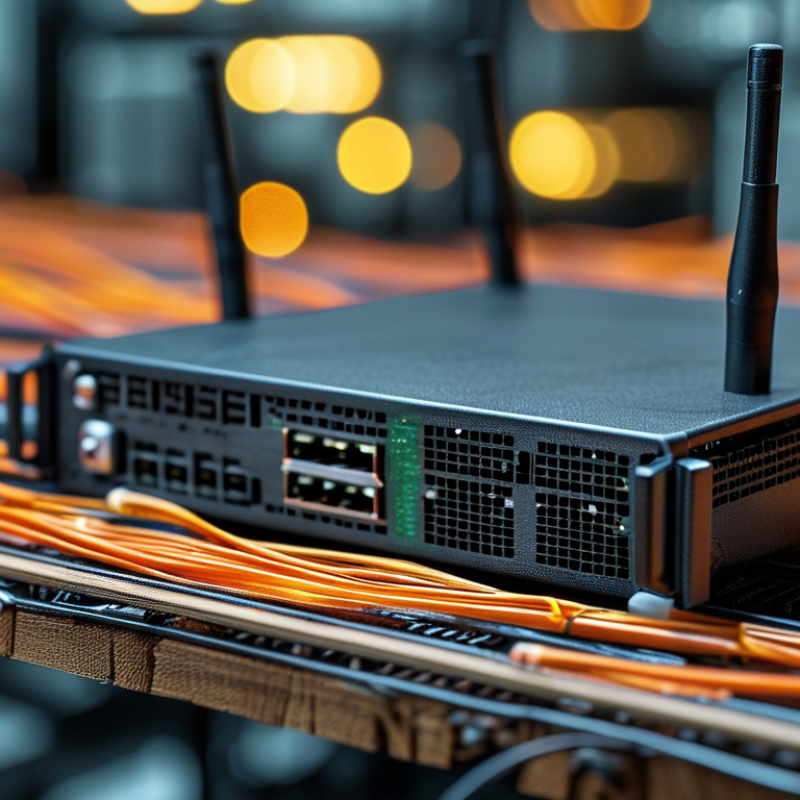
Fiber optic transceivers play a crucial role in modern communication networks. They convert electrical signals into optical signals for transmission over fiber optic cables. According to recent industry reports, the global fiber optic transceiver market is projected to reach $10.9 billion by 2025, highlighting their importance in data-driven environments.
Understanding the functionality of these transceivers is essential. They come in various types, including SFP, SFP+, and QSFP, each with distinct advantages. For example, SFP modules support data rates up to 1 Gbps, while QSFP can handle up to 100 Gbps. This scalability is vital as organizations expand their bandwidth. However, challenges remain. Not all transceivers meet the required interoperability standards, leading to compatibility issues that can hinder performance.
Additionally, factors like distance and fiber type must be considered. Single-mode fibers enable long-distance communication, while multimode is suited for shorter runs. Reports show that mismatched fiber types can lead to significant signal loss. Selecting the right transceiver requires careful assessment of network demands and future growth. Understanding these nuances can help companies avoid costly mistakes and ensure effective communication infrastructure.
When selecting a fiber optic transceiver, understanding the various types available is crucial. There are multiple forms of transceivers, including SFP, SFP+, and QSFP. Each serves different purposes and capabilities.
SFP transceivers are ideal for basic connections, supporting up to 1 Gbps. They feature a compact design, helping save space. On the other hand, SFP+ supports 10 Gbps, enhancing performance for higher data demand.
QSFP transceivers take it a step further, handling data rates of up to 40 Gbps. These are ideal for data centers requiring high bandwidth. However, the choice of transceiver should align with network goals and infrastructure. It’s essential to assess costs and compatibility. Sometimes, the advanced features may not be necessary for smaller networks, leading to overinvestment.
Choosing a transceiver isn’t solely about speed. The environmental factors also matter. Temperature variations in server rooms can impact the performance of transceivers. It's vital to seek solutions that match the existing conditions. In some cases, transit time and reliability can suffer if the wrong type is selected. Make sure to review your specific needs closely.
When selecting a fiber optic transceiver, understanding key specifications is crucial. The transmission distance should match your application. Short-range transceivers are ideal for data centers, while long-range versions can span significant distances for remote communications. Consider the wavelength and type of fiber used. For example, single-mode fibers are suited for long distances, while multi-mode fibers work well for shorter runs.
Data rate is another essential aspect. Higher data rates support more bandwidth, which benefits high-performance applications. Pay attention to the connector type as well. Different connectors may suit varied environments, and compatibility is key to avoid connection issues.
You should also assess the power consumption of the transceiver. While lower power devices are more efficient, they may present performance trade-offs. Think about reliability, too. Look for specifications that indicate robustness and longevity. Each decision has implications. Reflecting on these details can lead to a better choice that fits your specific communication needs.
Choosing the right fiber optic transceiver can be complex. Understanding your network requirements is crucial. Different scenarios call for different transceiver types. By matching the specifications of the transceiver to your specific needs, you can enhance performance and reliability.
Consider the distance your signals need to travel. Some transceivers work well for short distances, while others are designed for long-haul connections. Additionally, the data rate is essential. High-speed networks require transceivers that can handle large amounts of data without lag. It's also important to check compatibility with existing equipment. Sometimes, even good transceivers may not fit seamlessly into older systems.
Don't overlook the importance of environmental factors. Some areas may require ruggedized transceivers that withstand tough conditions. In contrast, standard models may suffice in controlled environments. Budget constraints can influence decisions too. Cheaper options might save money upfront but could lead to issues later. Reflect on the long-term implications of your choices.
| Transceiver Type | Speed (Gbps) | Wavelength (nm) | Distance (km) | Connector Type | Application |
|---|---|---|---|---|---|
| SFP | 1.25 | 850 | 0.5 - 550 | LC | Data Center |
| SFP+ | 10 | 850 | 400 | LC | Enterprise Network |
| QSFP+ | 40 | 850 | 150 | MPO | Data Center |
| SFP28 | 25 | 850 | 70 | LC | High-Density Network |
| XFP | 10 | 1310 | 80 | LC | Long Haul |
When choosing a fiber optic transceiver, budget considerations are crucial. Many options exist across various price ranges. However, the highest cost does not always guarantee the best performance. It is essential to assess your specific needs before making a decision. Determine the required data rate, distance, and application. These factors will guide you toward the right investment.
Long-term value is another critical aspect. Cheaper transceivers may save money upfront but could lead to additional costs later. Reliability and compatibility should be top priorities. You might find that a slightly more expensive model lasts longer and performs better over time. Reflecting on your organization's growth can also influence your choice. Will you need higher speeds in the future? Investing wisely now could save you from frequent replacements later.
: Key specifications include transmission distance, data rate, compatibility, and power consumption.
Short-range transceivers are suited for data centers, while long-range ones support remote communications.
Higher data rates allow for increased bandwidth, essential for high-performance applications.
Connector compatibility is vital. Different types suit various environments, impacting connection reliability.
Lower power devices are efficient, but they might compromise performance. Reflect carefully on this trade-off.
Look for robust specifications indicating longevity, as these reflect long-term performance.
Yes, some areas may need ruggedized transceivers for harsh conditions, while others may not.
Budget matters greatly, but cheaper models can lead to more costs later. Evaluate your needs.
Absolutely, thinking about potential future data speed requirements can save you from frequent replacements.
Always check if the selected transceiver fits seamlessly with your current systems to avoid issues.
Choosing the right fiber optic transceiver is crucial for optimizing your network's performance. Understanding the functionality of fiber optic transceivers lays the foundation for making an informed decision. Different types of transceivers are available, each with unique specifications and capabilities, so a comparative overview can help identify the best fit for specific requirements.
When selecting a fiber optic transceiver, key specifications such as data rate, reach, and compatibility should be thoroughly evaluated. It's essential to match the transceiver to your network requirements to ensure seamless integration and reliability. Additionally, budget considerations and the long-term value of your investment play a significant role in the selection process, helping to ensure that you choose a transceiver that meets both your current and future needs.

LumoWave