Choosing the right optical transceiver manufacturer is crucial for ensuring optimal performance in network applications. Dr. Julian Hart, a leading expert in fiber optics, states, "The quality of an optical transceiver can make or break your entire network." This underscores the importance of selecting a reliable manufacturer.
The optical transceiver market is vast and varied. Many manufacturers claim high standards, but not all deliver. Decision-makers need to consider several factors, such as quality, technological advancements, and customer support. It's not just about choosing a popular brand; it's about finding a partner who understands your specific needs.
Additionally, the focus should be on long-term reliability. A less-known manufacturer might offer lower prices, but the risks could outweigh the savings. The decision process often involves a mix of data, intuition, and sometimes, regret for decisions made too hastily. Balancing cost and quality is never straightforward, but the right choice will pay off with a stable and efficient network.
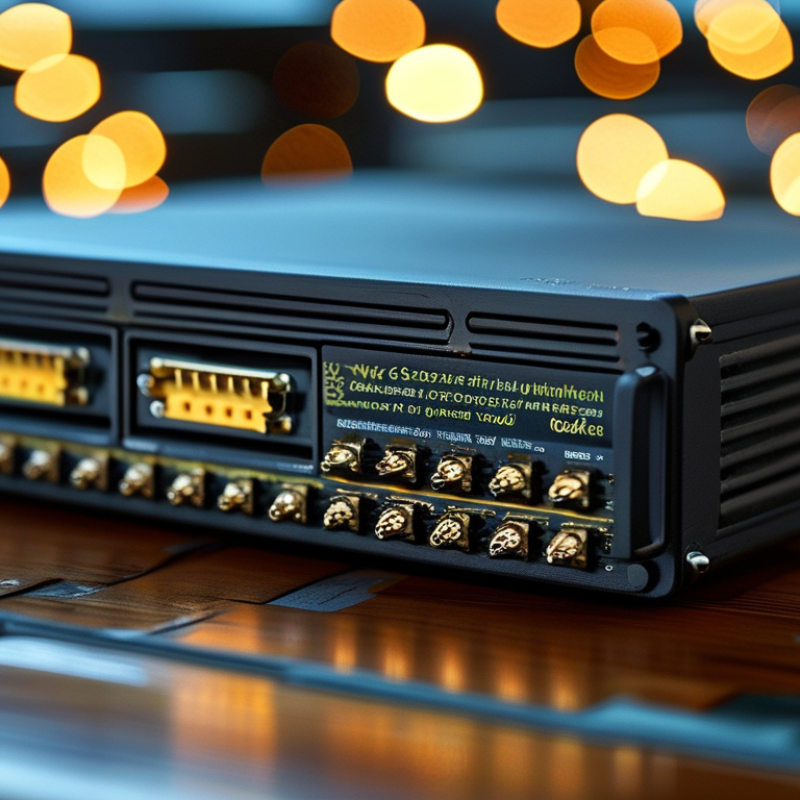
Optical transceivers play a crucial role in modern communication systems. They convert electrical signals into optical signals and vice versa. This conversion enables high-speed data transfer over long distances. As data demands rise, selecting the right transceiver becomes essential for efficiency.
When considering optical transceivers, one must reflect on compatibility with existing systems. Misalignment can lead to costly delays and disruptions. Not all transceivers are built the same. Factors like wavelength, distance capability, and power consumption need close examination. Ignoring these details can compromise network performance.
Choosing the right manufacturer also impacts reliability. An unreliable transceiver can result in frequent upgrades or repairs. Trustworthiness and technical support matter. A knowledgeable provider can enhance troubleshooting processes. Investing time in research and seeking expert guidance can lead to more reliable solutions.
Choosing the right optical transceiver manufacturer is essential for effective networking solutions.
Key factors include product quality,
support, and technology trends.
According to a report by MarketsandMarkets, the optical transceiver market is expected to grow from
$3.77 billion in 2022 to $6.02 billion by 2027,
highlighting the importance of reliable manufacturers.
Quality assurance is paramount. Look for manufacturers that adhere
to international standards such as ISO 9001. They should provide extensive testing of their
products to ensure reliability. A recent survey indicated that 70%
of network failures stem from defective transceivers, underscoring the need for precision.
Customer support also plays a crucial role. Opt for companies that
offer comprehensive support post-purchase. This includes warranty services and technical assistance.
Navigating technical issues can save time and enhance productivity.
Tips:
Choosing the right optical transceiver manufacturer is crucial for ensuring optimal performance in your network. Evaluating a manufacturer’s reputation and experience can make a significant difference. A recent industry report indicates that 70% of companies experienced issues with low-quality transceivers. When selecting a manufacturer, consider their years of experience in the field. A seasoned manufacturer is more likely to understand the nuances of technology and evolving standards.
Look for detailed customer reviews and case studies. These can provide insights into performance metrics and reliability. A reliable manufacturer should showcase their testing processes and quality assurance measures. Industry certifications can also indicate a commitment to maintaining high standards. According to a report by the Optical Society, manufacturers with ISO certifications tend to have fewer product failures.
Tips: Always verify the credibility of reviews. Engage with industry forums for real user experiences. Don’t hesitate to request product specifications and test results directly from the manufacturer. The more informed you are, the better your choice will be. Keep in mind that not every highly-rated manufacturer guarantees excellent products. A comprehensive evaluation is essential for making an informed decision.
In the production of optical transceivers, quality standards play a crucial role. Industry reports indicate that nearly 70% of optical transceiver failures stem from poor manufacturing practices. Manufacturers must adhere to strict quality guidelines to ensure reliability. These standards include rigorous testing protocols like temperature cycling, optical performance testing, and compliance with international standards such as ISO 9001.
Monitoring quality is not just a regulatory requirement. It affects the overall performance of the transceivers. A single faulty component can lead to network downtime, causing significant financial losses. For telecommunications companies, these losses can reach millions annually. Therefore, selecting a manufacturer focused on quality standards is paramount.
Tips: Always check if the manufacturer complies with relevant international standards. Look for certifications like CE and RoHS. Consider requesting performance data from past projects to gauge reliability. Understanding the compromise between cost and quality is essential. A lower price might indicate inadequate quality checks.
| Parameter | Details | Importance |
|---|---|---|
| Compatibility | Ensure transceivers work with different network devices. | High |
| Quality Standards | Adherence to ISO and other quality certifications. | Critical |
| Performance Metrics | Data transfer rates, latency, and error rates. | Essential |
| Warranty | Length of warranty period provided by manufacturer. | Important |
| Pricing | Cost of transceivers relative to industry standards. | Moderate |
| Customer Support | Availability of technical support and resources. | Very High |
The optical transceiver industry is evolving rapidly. By 2025, the global market is expected to reach $6 billion, according to recent reports. Innovations in technology are driving this growth. Higher data rates and enhanced performance are becoming standard.
Future trends highlight the shift towards higher-speed transceivers, especially in data centers. Multi-mode and single-mode fibers are both adapting to support 400 Gbps and beyond. Yet, many companies struggle with compatibility issues. Understanding these trends helps in selecting appropriate manufacturers for specific needs.
Sustainability is another emerging focus. Many manufacturers are now targeting greener solutions. However, the transition can be slow. Businesses need to consider these factors when choosing a manufacturer. Overall, the landscape is changing, but staying informed is crucial for making the right choice.
: Quality standards are crucial to ensure reliability and performance in optical transceiver production.
Nearly 70% of failures are due to poor manufacturing practices.
A faulty component can lead to network downtime, causing significant financial losses for companies.
Look for compliance with international standards like ISO 9001, CE, and RoHS.
Requesting past performance data can help gauge reliability and decision-making.
There is a shift toward higher-speed transceivers, especially in data centers, supporting 400 Gbps.
Many are targeting greener solutions, though the transition may be slow.
Many companies struggle with compatibility, making knowledge essential for effective manufacturer selection.
A lower price might indicate inadequate quality checks, highlighting the cost-quality compromise.
Stay informed about trends and quality standards to make the best choice.
Choosing the right optical transceiver manufacturer is crucial for ensuring efficient and reliable communication technologies. Understanding the role of optical transceivers highlights their significance in data transfer and network performance. When selecting a manufacturer, key factors include their reputation, experience, and adherence to industry quality standards. Manufacturers with a strong track record are more likely to provide products that meet stringent performance metrics and can adapt to evolving technological needs.
As the industry progresses, emerging trends in optical transceiver technology will continue to shape the market. Innovations such as increased bandwidth capabilities and integrated solutions will impact user requirements and expectations. Therefore, aligning with a proficient optical transceiver manufacturer not only fulfills immediate needs but also prepares businesses for future advancements in communication infrastructure.

LumoWave