In the rapidly evolving world of networking, the QSFP28 transceiver has emerged as a pivotal component. With its ability to support high bandwidth, it facilitates seamless data transfer. Understanding its functionality is crucial for global sourcing professionals.
The QSFP28 transceiver supports 100 Gbps connections. It is optimized for data centers and high-performance computing applications. Selecting the right transceiver can influence network efficiency significantly. Yet, navigating the available options can feel overwhelming.
Many sourcing teams lack detailed knowledge about the QSFP28 transceiver's specifications and applications. This gap can lead to poor purchasing decisions. It's important to assess the suppliers’ credibility. In an era of digital transformation, ensuring reliable connectivity is paramount for business success.
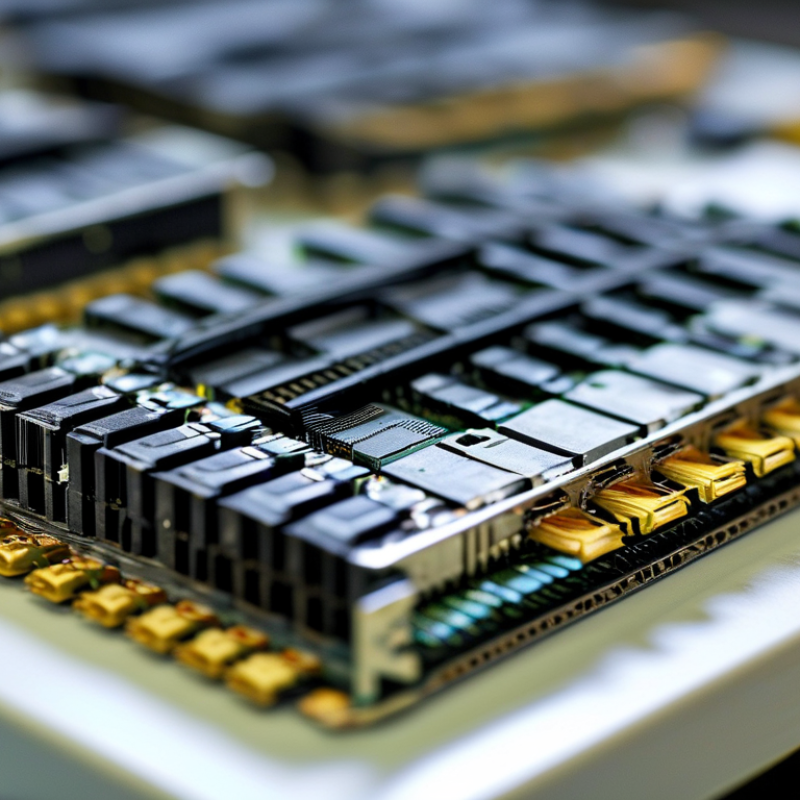
The QSFP28 transceiver is essential for high-speed data communication. It supports 100G Ethernet and is designed for data centers and enterprise networks. This technology utilizes four 25G channels, providing a combined bandwidth of 100G. Its compact form factor helps save space, making it a popular choice for various applications.
When selecting a QSFP28 transceiver, consider your network's specific requirements. Look into factors like transmission distance, compatibility, and data rate. Understanding these specifications will help you make an informed decision. For instance, choose a transceiver that matches your equipment to avoid connectivity issues.
Tips: Always check the transceiver's power consumption. High power usage can lead to overheating, impacting performance. Additionally, keep an eye on the cable quality. Poor cables may cause signal loss, resulting in a reduced data flow. Test your setup regularly to ensure optimal performance. Investing time in understanding these technicalities can prevent future headaches.
QSFP28 transceivers have become essential in modern networking. They offer high-speed data transfer, reaching up to 100 Gbps. Their compact design supports greater density, vital for data centers and high-performance computing environments. These advantages make QSFP28 a preferred choice for many applications.
Key use cases include data center interconnects and high-frequency trading platforms. In data centers, they facilitate swift and efficient data movement. For trading, every microsecond counts. QSFP28 helps reduce latency, enhancing trading performance. However, as networks evolve, compatibility with older systems may pose challenges. It's crucial to evaluate current infrastructure before adopting new technologies.
Additionally, QSFP28 transceivers are widely used in 5G networks. They enable rapid communication between different nodes, supporting a surge in mobile data traffic. Nonetheless, ensuring robust performance under varying conditions requires careful planning. This includes assessing power consumption and heat dissipation. Balancing speed and efficiency can be complex, yet it is key to optimizing network performance.
The QSFP28 transceiver has become essential for modern data centers and network infrastructures. This transceiver supports up to 100 Gbps data rates. It's a significant upgrade from previous models, making it ideal for global sourcing needs. According to a recent report by Dell’Oro Group, the demand for high-speed optical transceivers is expected to grow by over 25% annually. Such growth highlights the need for reliable and efficient options like QSFP28.
One major benefit of choosing QSFP28 is its flexibility. It supports multiple protocols, including Ethernet and Fibre Channel. This adaptability reduces the complexity of sourcing different transceivers for various applications. Additionally, the QSFP28’s compact design saves valuable space in data centers. For companies looking to streamline their global sourcing, opting for a standardized transceiver can mitigate costs and logistical challenges.
Tip: Regularly review data usage trends. Understanding your network's demands can help you choose the right transceiver, ensuring it meets future needs.
Another noteworthy aspect is heat management. The higher data rates generate more heat, which can impact performance. Proper cooling solutions are crucial to maintain optimal function. It's critical to weigh the benefits of high performance against possible environmental challenges.
Tip: Always consider environmental factors. Explore cooling solutions early in your transceiver selection process to avoid complications later.
When sourcing QSFP28 transceivers globally, it's crucial to consider several key factors. The rapidly growing demand for high-speed data transmission drives the QSFP28 market, projected to reach $5.5 billion by 2025, according to industry reports. However, the complexities of global sourcing can create pitfalls. Quality assurance is paramount. Poor quality control can result in failures and data loss.
Evaluating suppliers is essential. Look for companies with solid experience and a good track record. Customer reviews can provide insight, but don't rely solely on them. Research their manufacturing processes and certifications. Transparency in their operations indicates reliability. Flexibility in negotiation terms can also signal a supplier's commitment to customer satisfaction.
Logistics should not be overlooked. Supply chain disruptions can delay your projects. It's vital to establish strong communication channels with suppliers. Regular updates can help prevent bottlenecks. However, unexpected challenges may still arise, testing your sourcing strategy. Being adaptable and prepared for shifts in demand can make a significant difference. In the end, a thoughtful approach will serve you well in the QSFP28 transceiver market.
When comparing QSFP28 transceivers with other types, it's essential to grasp their unique advantages. QSFP28 supports data rates up to 100 Gbps. This is significantly higher than QSFP+ which tops at 40 Gbps. In high-demand scenarios, such as data centers, the efficiency of QSFP28 proves invaluable. According to a recent industry report by Dell'Oro Group, demand for high-speed optical modules, including QSFP28, is expected to grow at a CAGR of 20% over the next five years.
The QSFP28 transceiver also stands out when measured against SFP and SFP+ types. While SFP+ delivers data rates of 10 Gbps, QSFP28 dramatically enhances network capabilities. This improvement is crucial for applications requiring substantial bandwidth, like cloud computing and video streaming. Furthermore, the reduction in power consumption per bit delivered by QSFP28 is a notable benefit. Energy efficiency is becoming a priority, with reports indicating a potential 30% decrease compared to older transceiver types.
However, sourcing QSFP28 devices necessitates careful consideration. The transition from older models may pose challenges. Compatibility with existing infrastructure needs scrutiny. Decisions should hinge on specific application requirements, budget, and future scalability. Potential discrepancies in quality from various suppliers can also complicate sourcing. Balancing cost and performance remains a relevant factor for many organizations.
: A QSFP28 transceiver is a device used for high-speed data communication, supporting 100G Ethernet.
Its compact design saves space and provides high bandwidth, making it ideal for data centers and networks.
Evaluate transmission distance, compatibility, and data rate before making a decision on your transceiver.
High power usage can lead to overheating, which negatively impacts performance and device longevity.
Poor-quality cables can cause signal loss, reducing data flow and overall effectiveness of the transceiver.
Quality assurance, supplier evaluation, and logistics can all create challenges during global sourcing efforts.
Look for experience, track records, and transparency in their operations, along with customer reviews.
Strong communication with suppliers can prevent delays and help address unexpected supply chain challenges.
Regular testing and understanding the technical aspects will help maintain high performance and prevent issues.
Poor quality control and lack of supplier transparency can lead to failures and data loss in operations.
The QSFP28 transceiver is a high-speed optical module that supports data rates of up to 100 Gbps, making it ideal for various applications in data centers and enterprise networks. Understanding the technology and specifications of QSFP28 transceivers is essential for organizations looking to enhance their network capabilities. Key applications include high-performance computing, cloud services, and telecommunications, where speed and efficiency are paramount.
When sourcing QSFP28 transceivers globally, it's important to consider factors such as compatibility, reliability, and cost-effectiveness. The benefits of choosing QSFP28 include its compact form factor and ability to support multiple protocols, which makes it a versatile option for different network infrastructures. Comparing QSFP28 with other transceiver types highlights its superior performance and suitability for modern networking needs, confirming its essential role in global sourcing strategies.

LumoWave