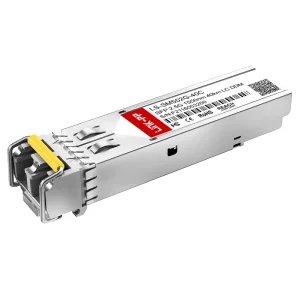
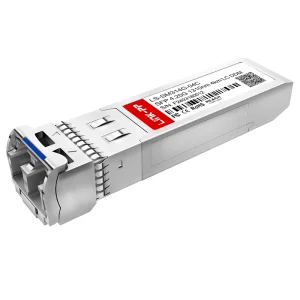
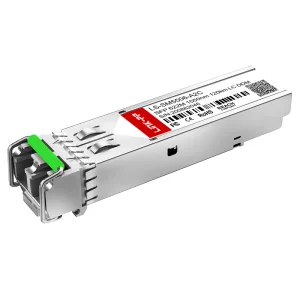
Explore our high-performance optical transceivers and interconnect hardware manufactured to strict MSA and CE standards for enterprise networking infrastructures.
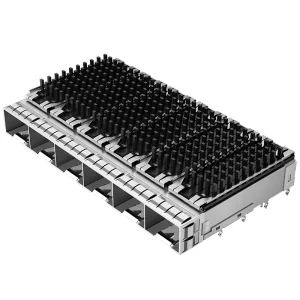
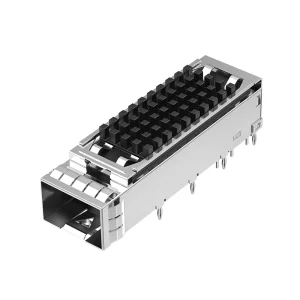
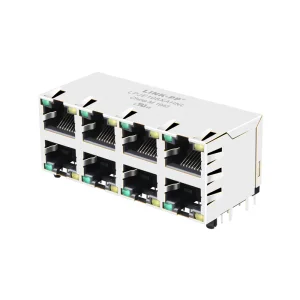
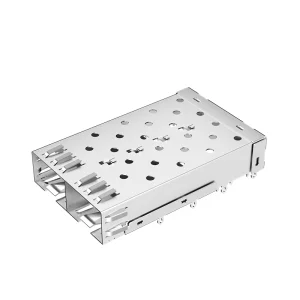
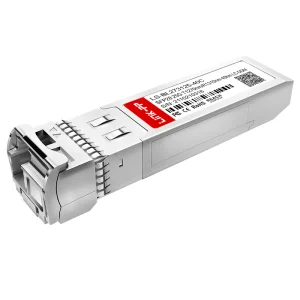
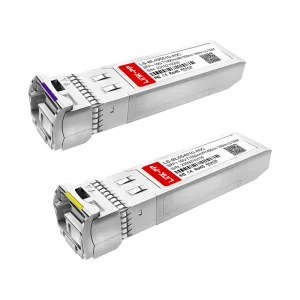
Multi Mode SFP (Small Form-factor Pluggable) modules represent the backbone of short-reach, high-bandwidth communication within enterprise networks, campuses, and localized datacenters. Operating predominantly at wavelengths around 850nm, and increasingly utilizing Vertical-Cavity Surface-Emitting Lasers (VCSEL), these optical transceivers interface directly with Multi-Mode Fiber (MMF)—such as OM3, OM4, and OM5 grades.
Compared to their Single Mode counterparts, Multi Mode optical transceivers utilize a larger core diameter (typically 50μm or 62.5μm). This geometric profile enables multiple modes of light to propagate simultaneously. The primary engineering benefit of this layout is alignment tolerance; because the light-carrying core is relatively wide, laser coupling and mechanical connection tolerances are less stringent, significantly reducing transceiver component complexity and overall manufacture costs.
However, this operational mechanics also introduces Modal Dispersion—where different light rays travel down the fiber at slightly different speeds, causing signal pulse spreading over long distances. Consequently, Multi Mode systems are uniquely optimized for shorter distances, providing unparalleled cost efficiency up to 550 meters for Gigabit speeds, and up to 400 meters for 10Gbps or 25Gbps connections using high-grade OM4 fiber cables.
Hyperscale operators rely heavily on Multi-Mode transceivers for leaf-spine fabric setups where distances are short but data density is extreme. SFP+ and SFP28 components form the backbone of top-of-rack switch interconnections.
With smart manufacturing facilities increasing electromagnetic interference (EMI) footprints, copper cables fail. Multi-Mode optical fibers with SFP transceivers provide absolute dielectric isolation and noise immunity.
Localized distribution cabinets utilize multi-mode links to consolidate enterprise LAN streams before routing high-speed backhaul traffic over single-mode fibers across metropolitan spans.
As the digital economy grows, global standards mandate higher efficiency and lower power metrics. CE (Conformité Européenne) Certification acts as the definitive barrier for transceivers, verifying compliance with electromagnetic compatibility (EMC) regulations, low voltage directives, and environmental standards within the European Economic Area. Sourcing CE-certified hardware ensures that operators mitigate risks of hardware failure, signal degradation, and regulatory penalties.
Under our flagship brand LumoWave, LumoWave Optical Technology Co., Ltd. has established itself as an industry-leading designer and manufacturer of high-performance optical communication systems since 2016. Built upon a foundation of 12 years of industry expertise and 8 years of dedicated global export experience, we deliver robust optical components supporting bandwidth scales from 10G up to 800G.
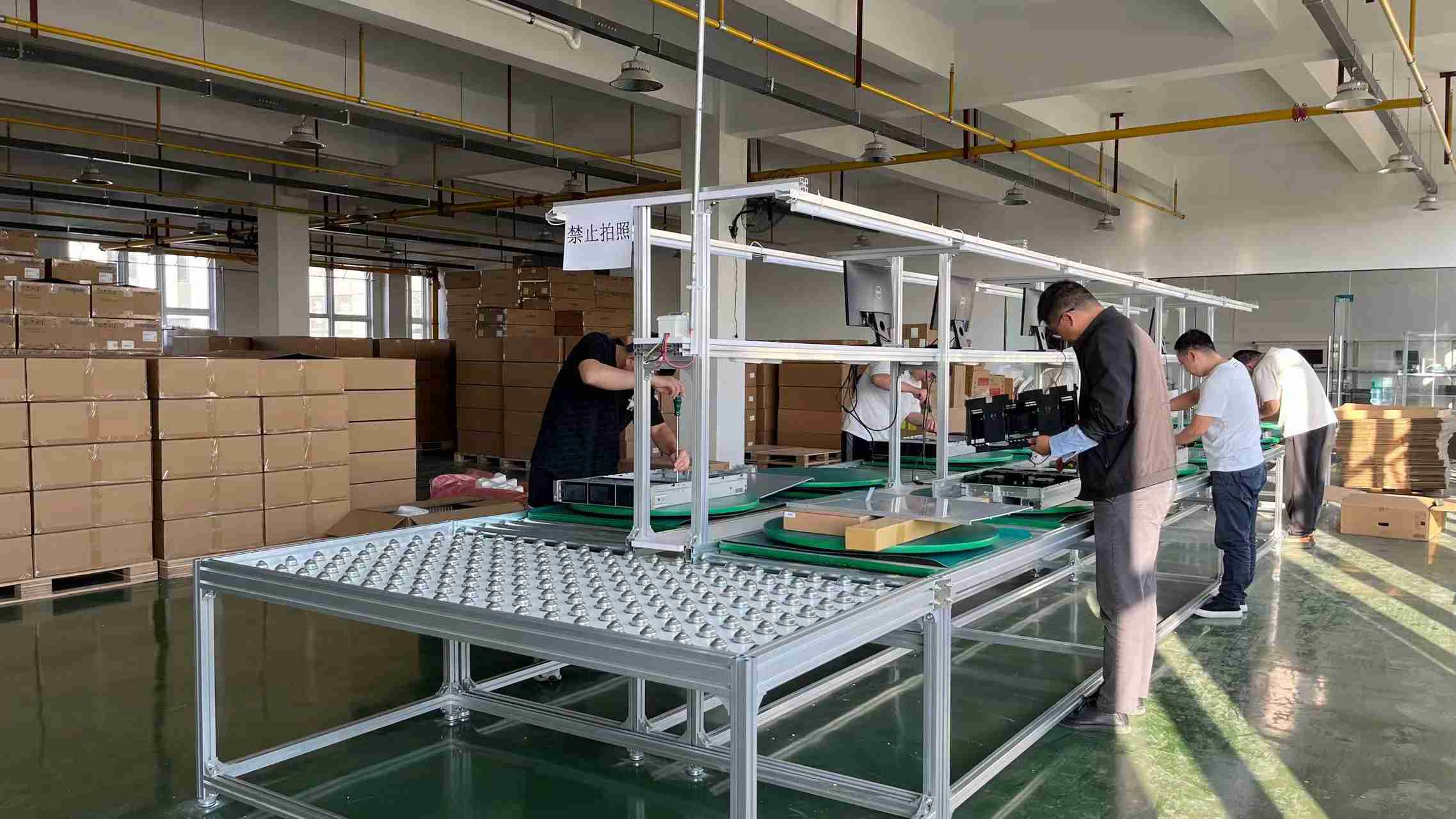
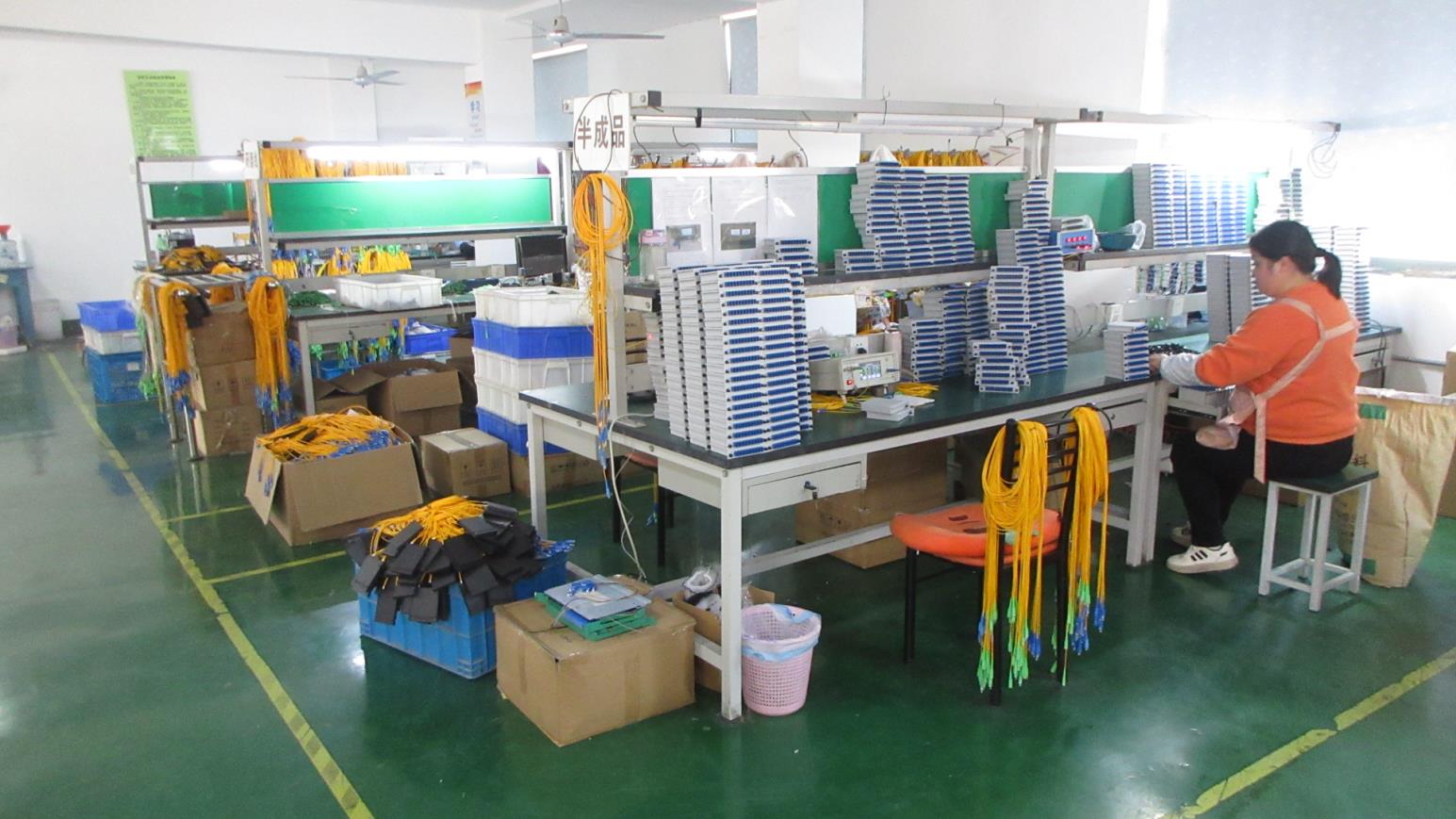
Our state-of-the-art facility covers an expansive 320,000㎡ footprint. Integrating automated optical assembly lines, robotic testing units, and high-precision packaging setups, the facility yields high volume production with consistent performance. Located in the heart of China’s optical technology industrial corridor, LumoWave leverages a dense local supply chain ecosystem containing over 1,200 partners. This localized concentration enables unmatched BOM (Bill of Materials) optimization, swift procurement of raw silicon photonic wafers, and fast transition from R&D designs to mass production.
Last year alone, our R&D division released approximately 120 new product designs, focusing on low power budgets and next-generation coherent optical solutions. By maintaining vertical integration of chip packaging, component assembly, and firmware programming, we offer global buyers a significant cost advantage while matching or exceeding Western performance benchmarks.
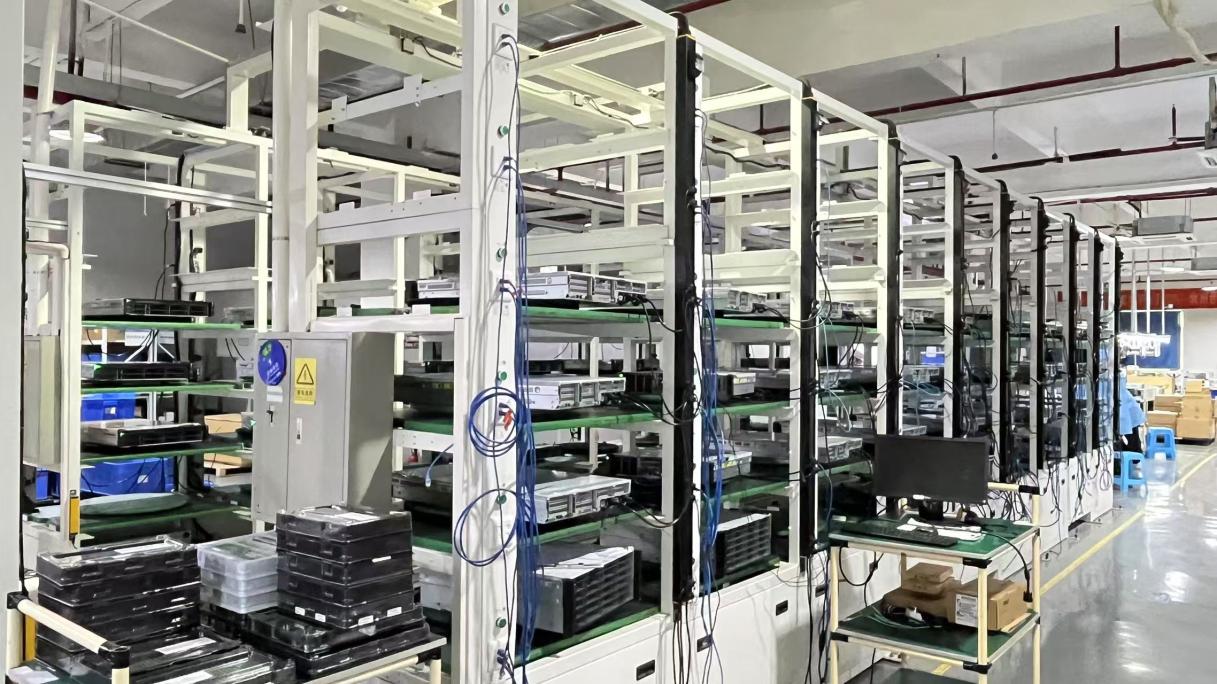
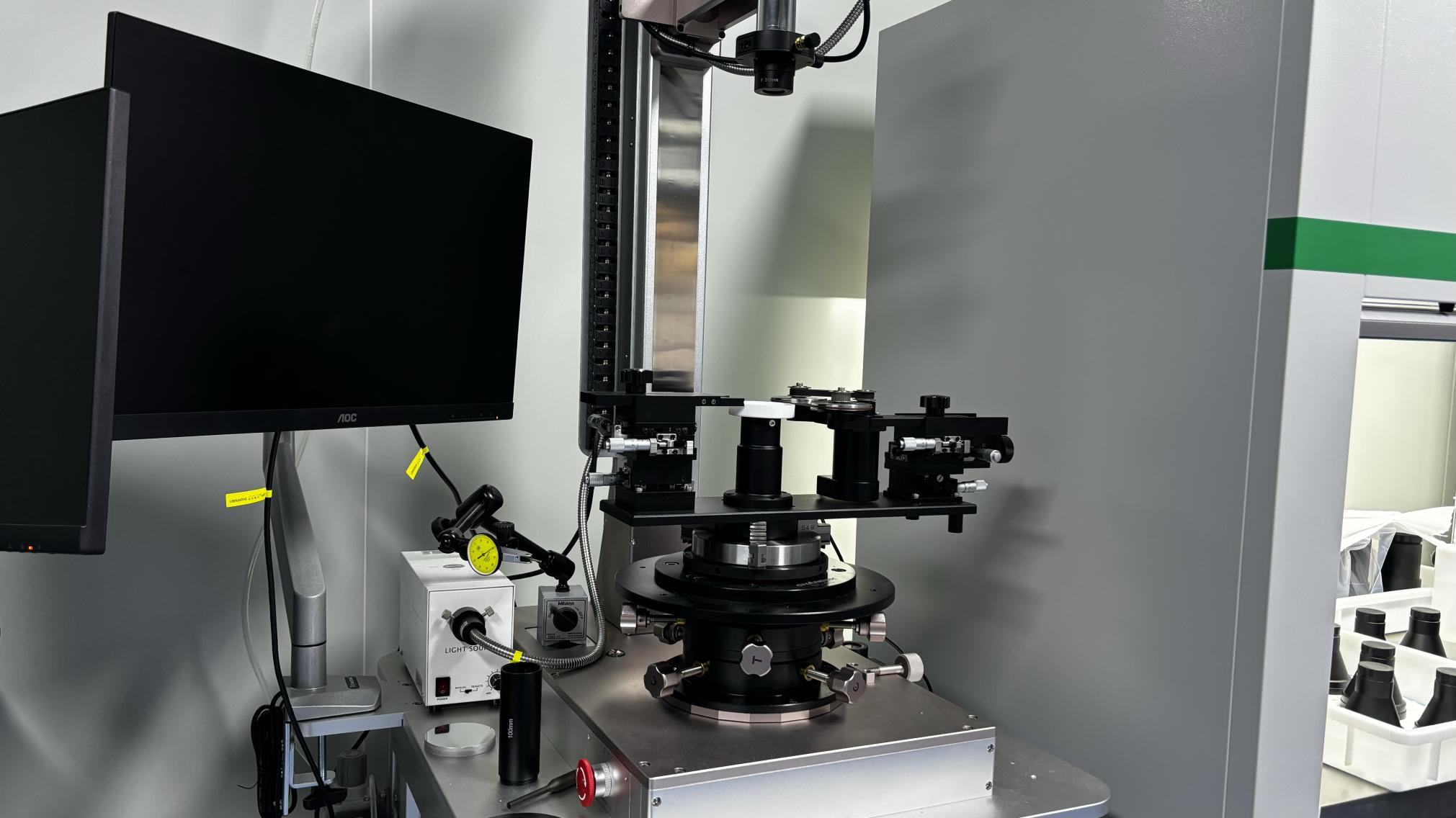
At LumoWave, reliability is not just a certification—it is a continuous operational discipline. We operate a rigorous 3-stage quality verification pipeline managed by 45 dedicated quality control specialists to guarantee that every transceiver meets or exceeds the industry's most demanding benchmarks.
Every component—from optical sub-assemblies (TOSA/ROSA) to microcontroller chips, PCBA boards, and gold finger contacts—undergoes meticulous incoming testing. Laser chips are audited for threshold current and wavelength distribution.
Throughout assembly, real-time parametric checkpoints assess laser alignment, coupling efficiency, and optical power output. Micro-soldering and wire bonding are verified under advanced digital magnification.
100% of finished transceivers are subjected to final testing. This includes optical power checks, Bit Error Rate (BER) validation, wavelength accuracy, temperature stress cycling (-40°C to +85°C for industrial grade), and aging stress tests.
To assist procurement managers in matching transceiver specifications with localized operational demands, we present the following technical parameter table:
| Transceiver Type | Fiber Cable Type | Core Size (μm) | Wavelength (nm) | Max Reach / Link Length | Typical Application |
|---|---|---|---|---|---|
| 1.25G SFP Multi-Mode | OM2 / OM3 / OM4 | 50 / 125 | 850nm | 550 meters | Enterprise LAN, Campus Backbones |
| 10G SFP+ Multi-Mode | OM3 / OM4 | 50 / 125 | 850nm | 300m (OM3) / 400m (OM4) | Data Center Leaf-Spine, SAN Networks |
| 25G SFP28 Multi-Mode | OM3 / OM4 | 50 / 125 | 850nm | 70m (OM3) / 100m (OM4) | Next-Gen Datacenter Top-of-Rack Linkages |
| Single Mode SFP (Long Reach) | SMF (Duplex/Simplex) | 9 / 125 | 1310nm / 1550nm | 10km up to 120km | Metropolitan (MAN), Long-Haul Backhaul |
In modern hot-aisle containment environments, heat generation limits structural design. Multi Mode SFP modules operating at low power levels (~1W per port) minimize thermal dissipation, allowing operators to increase chassis density without overwhelming datacenter chillers.
Large robotic equipment generates magnetic fields that degrade copper Ethernet transmissions. Our CE Certified SFP modules and shielded SFP cages provide absolute immunity, preventing packet drops in mission-critical manufacturing workflows.
Hospital campus setups require rapid transfers of heavy volumetric files (like MRI scans). Laying multi-mode optical links configured with SFP modules provides immediate, reliable 10Gbps connectivity between local server rooms and radiology clinics.
As a premier global exporter, LumoWave provides end-to-end customization to avoid manufacturer lock-in. Different switch ecosystems (e.g., Cisco, Juniper, Arista, Huawei) employ proprietary signature keys in their transceiver ports. LumoWave's R&D labs host over 60 distinct network switches to program and test compatibility. Our EEPROM customization services guarantee seamless operation within multi-vendor network architectures.
Sourcing in bulk requires careful evaluation of electrical and environmental factors. When drafting procurement specifications for your next shipment, verify the following details:
A visual tour of our modern manufacturing plants, engineering centers, and quality control departments.



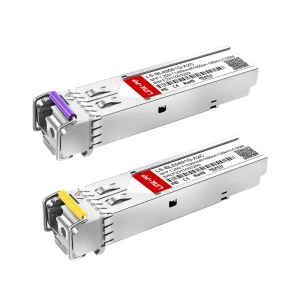
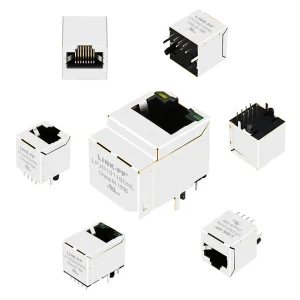
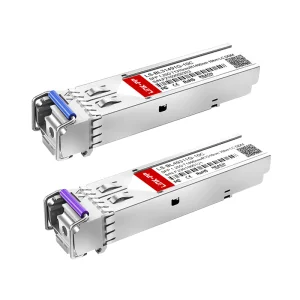
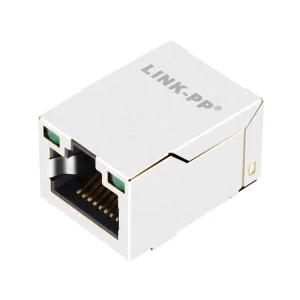
Examine our complete collection of optical transceivers, telecom transformers, and high-durability modular jack connectors.
 LumoWave