Explore our premium active optical modules, passive cages, and hybrid modular jack assemblies engineered to exceed IEEE and MSA compliance specifications.
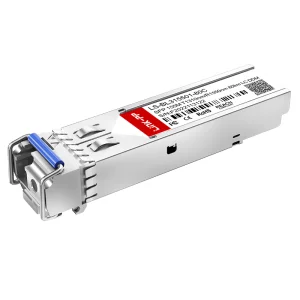
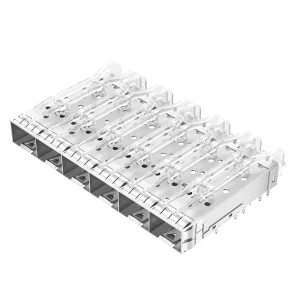
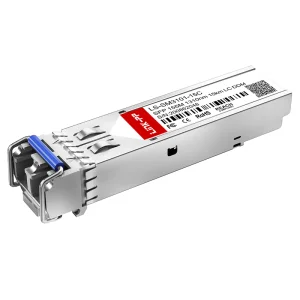
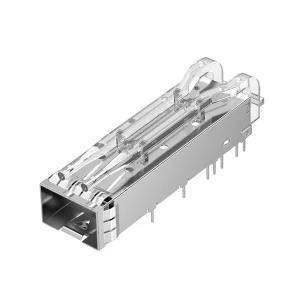
Founded in 2016, LumoWave Optical Technology Co., Ltd. has established itself as an authoritative voice in the fiber optic manufacturing ecosystem. Under our global brand LumoWave, we specialize in high-speed, cost-effective, and exceptionally stable optical transceivers. We serve hyper-scale data centers, telecommunication carriers, and multi-national enterprise network environments with speeds ranging from 10G to 800G.
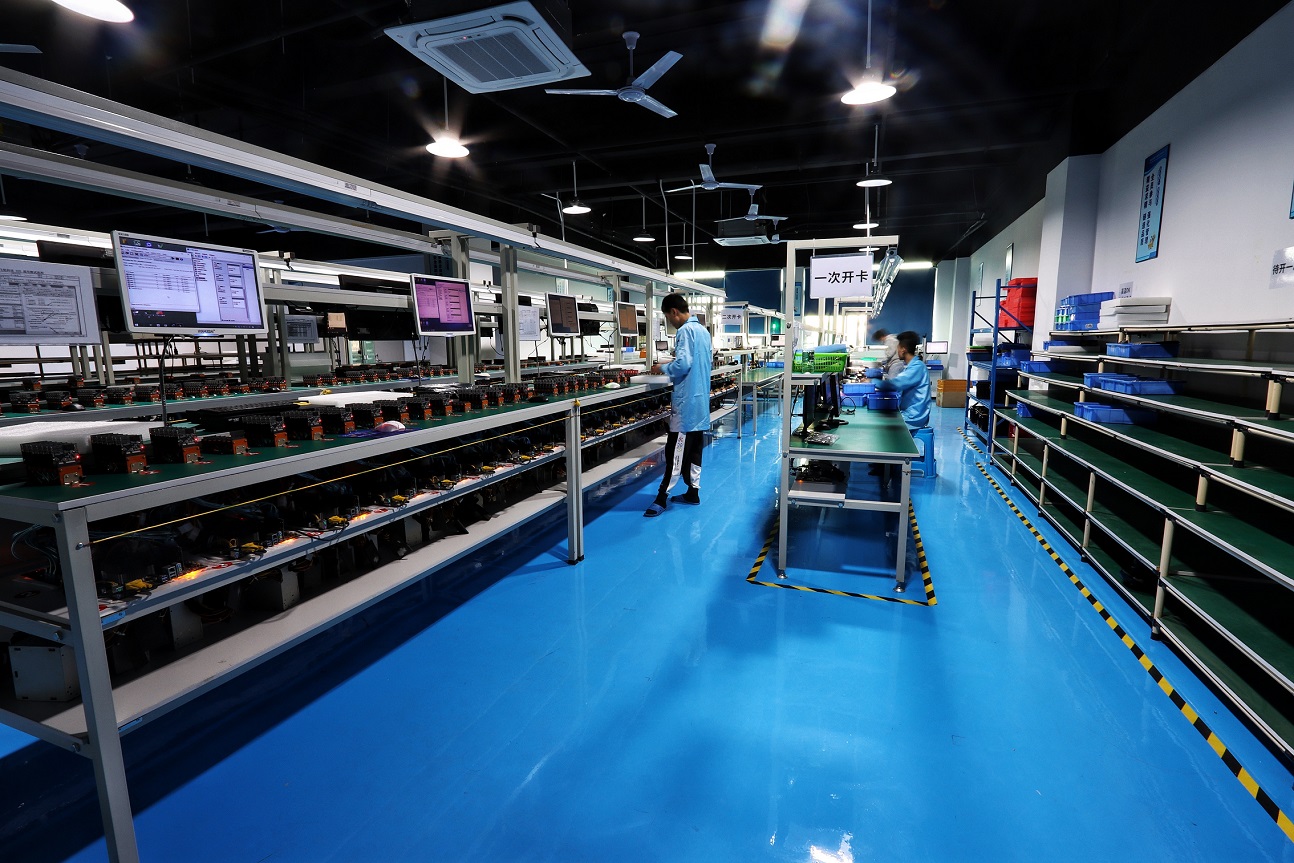
Our operation is underpinned by a state-of-the-art 320,000㎡ industrial complex, enabling comprehensive vertical integration—from bare sub-assembly manufacturing (TOSA, ROSA, BOSA) to rigorous final QA validation. We do not just build transceivers; we manufacture the foundational layers of modern digital communication.
With an annual export revenue exceeding $12 million, over 12 years of core industry expertise, and 8 years of international export footprint, LumoWave provides custom OEM/ODM solutions tailored for critical network reliability in North America, Europe, Southeast Asia, and the Middle East.
The network interconnect sector is undergoing major architectural shifts. Discover the critical engineering trends transforming how modern enterprises procure optical transceivers.
With data traffic scaling exponentially, networks are transitioning from traditional Direct Detection (IM-DD) to Coherent Optical transmission. Coherent technology, now integrating into SFP-DD and QSFP-DD form factors, allows carriers to scale bandwidth over long-haul networks by modulating the phase, amplitude, and polarization of light.
Silicon Photonics (SiPh) consolidates complex optical assemblies into monolithic silicon chips. By co-packaging optics (CPO) and electronics, manufacturers dramatically lower manufacturing costs, optimize packaging density, and reduce power consumption per gigabit (W/Gbps) on next-generation network cards.
Data center thermal dissipation has become a primary bottleneck. Today's SFP transceiver engineering centers on lowering energy footprints. Transitioning from conventional EMLs (Electro-absorption Modulated Lasers) to optimized VCSEL and Silicon Photonic modulators allows networks to maintain structural green standards.
Procuring network components at scale requires cross-referencing functional parameters beyond standard price-to-performance metrics. Global engineering teams search for partners capable of delivering verified compatibility, reliability, and security:
LumoWave SFP modules perform reliably in diverse high-demand global infrastructures:
High-density interconnect pathways requiring low latency, low power consumption, and maximum reliability across spine-and-leaf switches.
BiDi (bidirectional over single fiber) modules and WDM structures maximizing existing fiber capacity across base stations.
Robust optical interfaces withstanding extreme fluctuations in humidity, temperature, and EMI shielding.
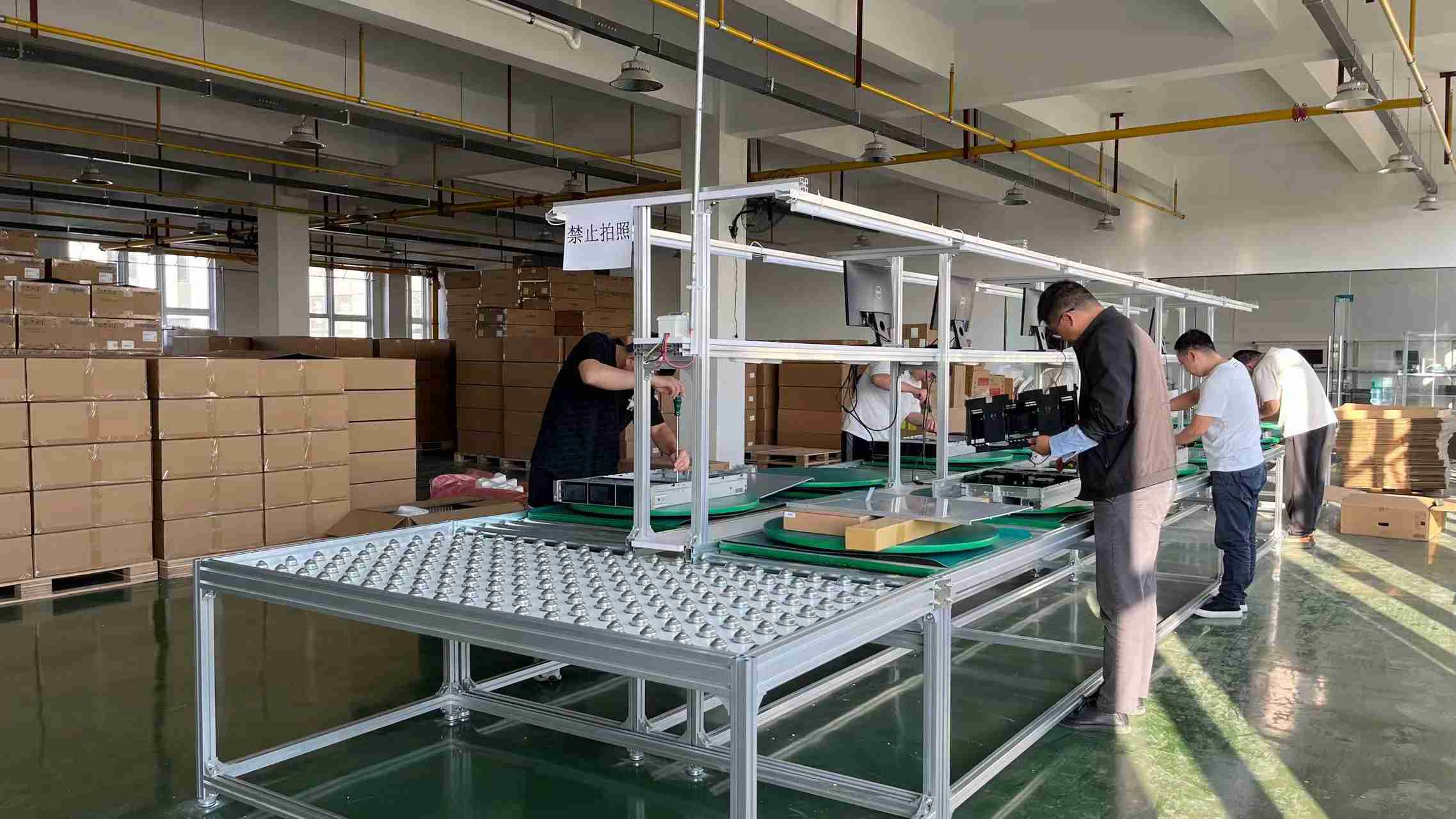
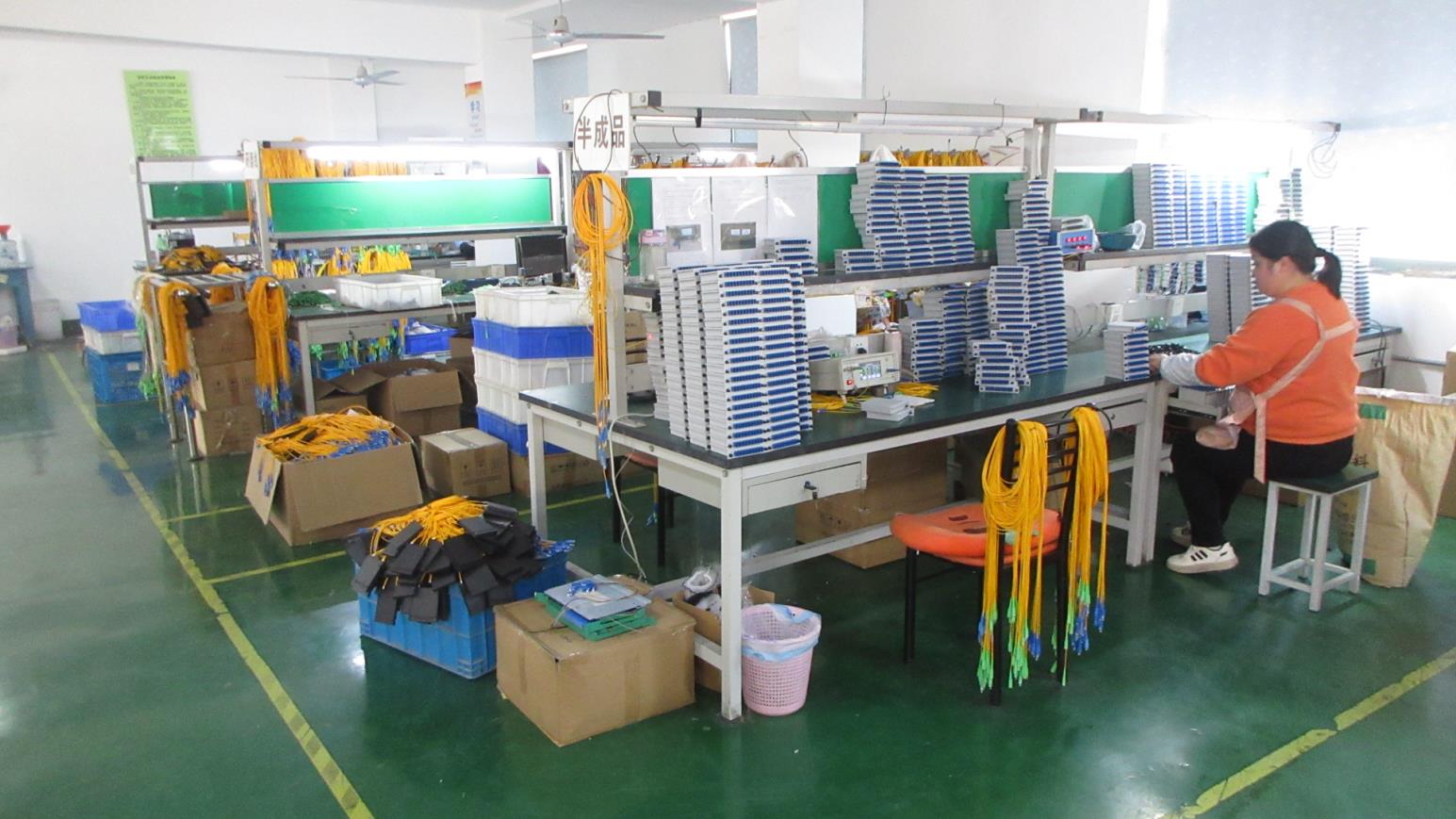
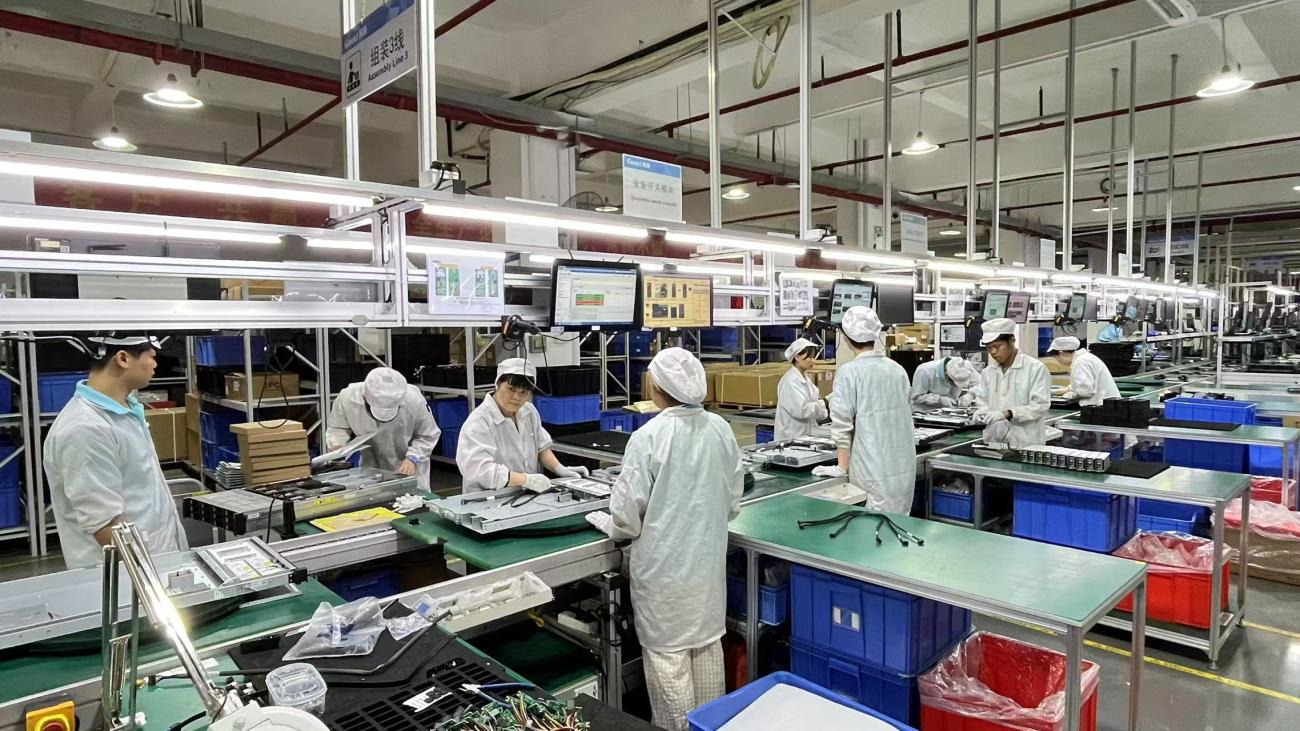
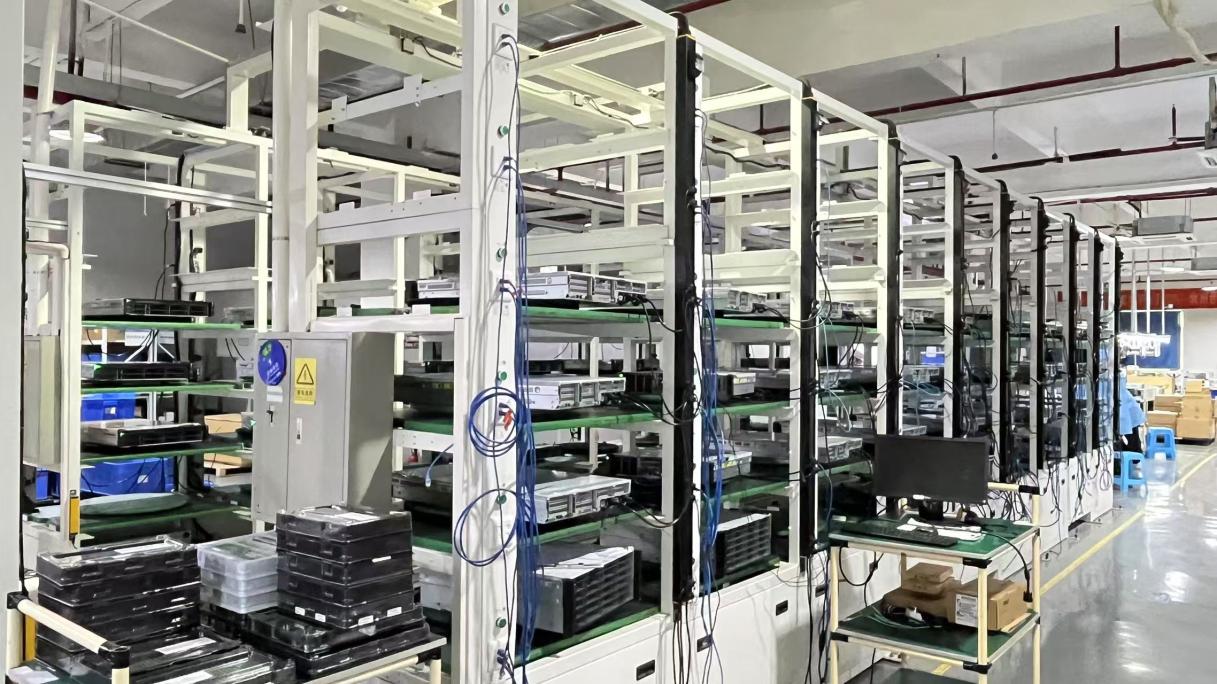
Inside LumoWave's advanced manufacturing ecosystem. We merge production scale with precise material selection, automated alignment, and rigorous validation.
LumoWave's China Factory 4.0 paradigm integrates complete supply-chain resilience. Through structured partnerships with over 1,200 upstream raw-material and downstream packaging suppliers, we minimize lead times and avoid market component shortages. Our specialized manufacturing center is optimized for high-capacity, low-latency production pipelines.
Quality control is integrated at every process stage, maintaining a stable operation of 45 dedicated quality control professionals. We implement rigorous checks spanning:
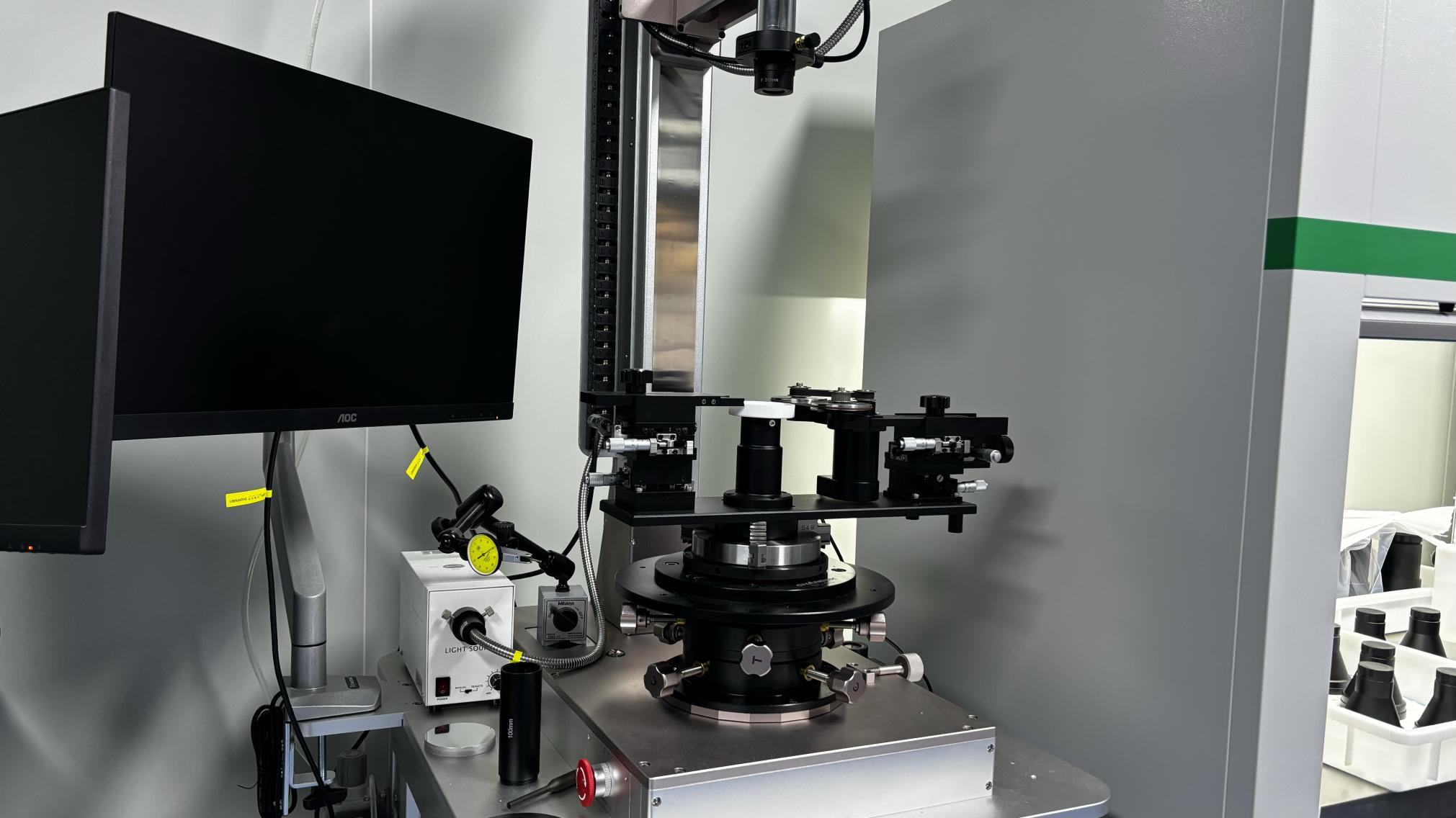
Our testing labs utilize high-frequency oscilloscopes, bit-error-rate testers (BERT), and high-resolution optical spectrum analyzers. Every transceiver undergoes temperature cycling, aging stress validation, optical power output checks, and wavelength accuracy calibration.
This structured validation process enables LumoWave to maintain compatibility and performance profiles for global system integrators and telecommunication clients alike.

Industry-focused answers on SFP hardware architecture, standardization, quality control, and deployment compatibility.
We maintain a comprehensive library of original host devices from all major enterprise hardware vendors. Each SFP, SFP+, and QSFP28 module undergoes hardware testing where the internal EEPROM microcode is programmed and validated to bypass OEM security signatures. This process matches diagnostic DOM (Digital Optical Monitoring) parameters and ensures compatibility without generating vendor-lock error messages.
Commercial-grade modules operate reliably in typical climate-controlled office spaces or datacenter cold aisles within a range of 0°C to 70°C. Industrial-grade modules (I-temp) are constructed with specialized laser diodes and components designed to function in extreme operating environments between -40°C and 85°C, such as rugged utility poles, remote telecom cell towers, or heavy industrial machinery floors.
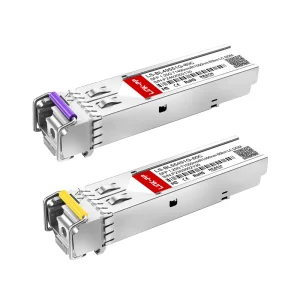
BiDi transceivers use Wavelength Division Multiplexing (WDM) to transmit and receive data channels simultaneously over a single strand of fiber (using distinct wavelengths like 1310nm-TX/1550nm-RX and vice-versa). This technology reduces physical fiber infrastructure requirements by 50%, avoiding the need to run additional cables over long distances.
LumoWave subjects every production batch to rigorous testing: Incoming Quality Control (IQC) for optoelectronic components, In-Process Quality Control (IPQC) during manufacturing, and Final Quality Control (FQC). Our testing protocol includes eye-diagram analysis, Bit Error Rate (BER) testing under load, wavelength accuracy verification, and high-temperature chamber aging tests to eliminate premature failures.
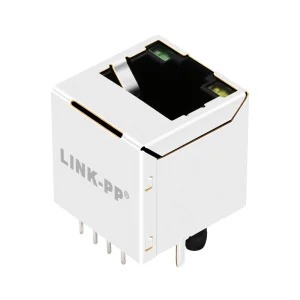
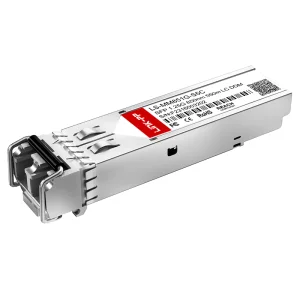
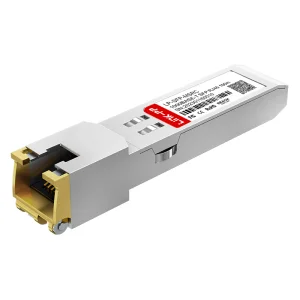
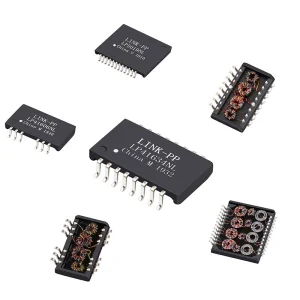
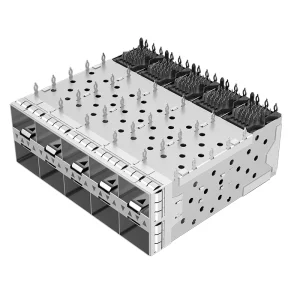
Complete your deployment bill of materials with our reliable, high-speed SFP, SFP+, and RJ45 connection hardware.
 LumoWave