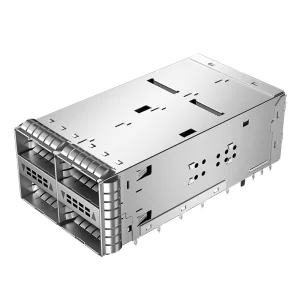
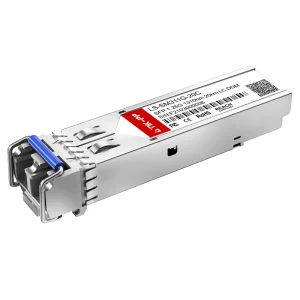
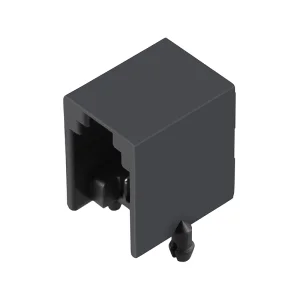
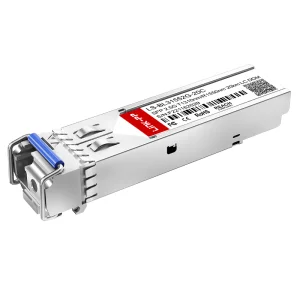
Explore our high-density PCB modular connectors, shielded cages, and optical transceivers engineered to minimize packet loss and support high-frequency enterprise channels.
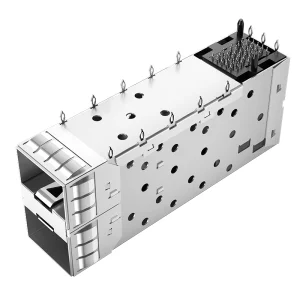
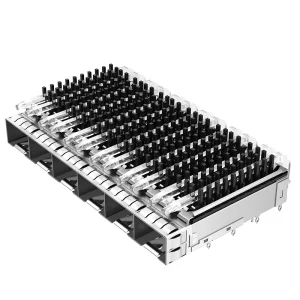
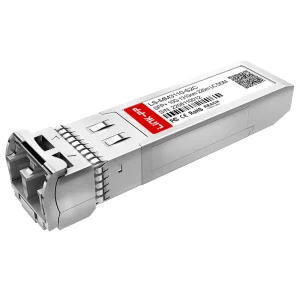
In the modern era of hybrid cloud infrastructure, multi-gigabit campus networks, and edge computing nodes, RJ45 patch cables remain the foundational nervous system of local enterprise topologies. As businesses transition to higher transmission standards like 10G Base-T and next-generation multi-gigabit standards, sourcing custom-configured, enterprise-grade copper links has evolved from a commodity transaction to a mission-critical infrastructure decision.
Procurement teams at system integrators, hyper-scale data centers, and telecom operators face unique structural challenges. Standard, off-the-shelf patch cables fail to meet specific requirements for bend radii, spatial constraints, electromagnetic shielding (EMI), and safety standards. Selecting a custom OEM RJ45 patch cable supplier & exporter who provides certified verification of electrical performance guarantees long-term stability and protects high-value network interfaces.
Architecting custom physical layer solutions for specialized industries demanding reliable bandwidth, electrical insulation, and physical durability.
Deploying Cat6A and Cat8 S/FTP configurations to mitigate alien crosstalk (ANEXT) in adjacent channel matrices. Custom lengths color-coded by network tier simplify infrastructure tracking and accelerate hardware troubleshooting.
Providing double-shielded (SF/UTP) patch cords protected by polyurethane (PUR) or thermoplastic elastomer (TPE) jackets. These resist mechanical friction, chemicals, oil exposure, and extreme operating temperatures.
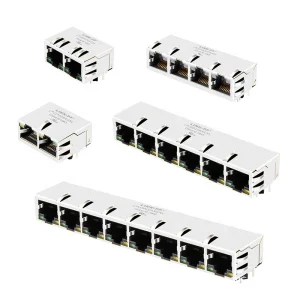
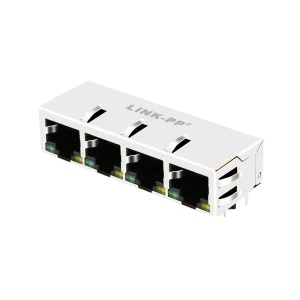
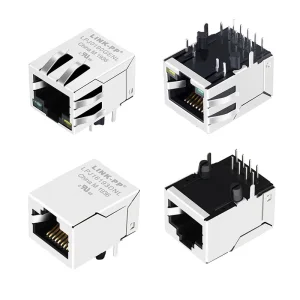
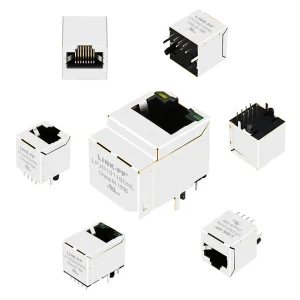
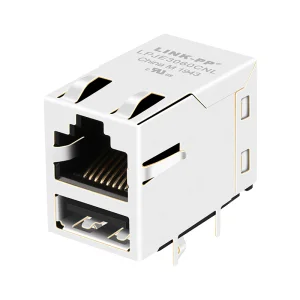
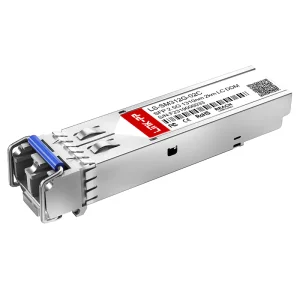
Delivering heavy-duty shielded patch cords integrated with modular MagJack RJ45 jacks at termination blocks. This ensures clean signal profiles and reliable transitions between copper and high-speed optical transceivers.
Understanding the engineering standards behind high-performance structured copper cables to select the correct shielding configuration for your deployment environment.
Selecting the appropriate copper infrastructure requires evaluating performance requirements across frequency bands, shielding architectures, and conductor properties. The table below outlines standard configurations for modern industrial networks:
| Performance Category | Maximum Frequency | Maximum Data Rate | Primary Shielding Types | Ideal Applications |
|---|---|---|---|---|
| Category 5e (Cat5e) | 100 MHz | 1 Gbps | UTP (Unshielded Twisted Pair) | Legacy networks, VoIP systems, basic IP cameras |
| Category 6 (Cat6) | 250 MHz | 1 Gbps (10Gbps @ <55m) | UTP, F/UTP (Overall foil shield) | Standard commercial offices, gigabit workstations |
| Category 6A (Cat6A) | 500 MHz | 10 Gbps | F/UTP, U/FTP, S/FTP (Individual foil + braid) | Data center access layers, high-density PoE applications |
| Category 7 (Cat7) | 600 MHz | 10 Gbps | S/FTP, F/FTP (Double shield) | Industrial automation environments with high EMI interference |
| Category 8 (Cat8) | 2000 MHz | 25 Gbps / 40 Gbps | S/FTP (Individual pair shield + overall braid) | Data center switch-to-server links (up to 30 meters) |
For enterprise deployments, the conductor design remains critical. Standard commercial patch cords often use Copper-Clad Aluminum (CCA) to reduce costs. However, high-reliability enterprise networks require pure Oxygen-Free Copper (OFC). OFC provides significantly lower DC resistance, prevents corrosion, and mitigates overheating under high-wattage PoE loads.
LumoWave Optical Technology Co., Ltd. is a professional optical transceiver and high-performance network connectivity manufacturer specializing in high-speed communication solutions for global data centers, telecom operators, and enterprise networking applications. Under the brand LumoWave, the company delivers stable, high-performance, and cost-effective optical modules ranging from 10G to 800G, alongside structured copper cabling interfaces.
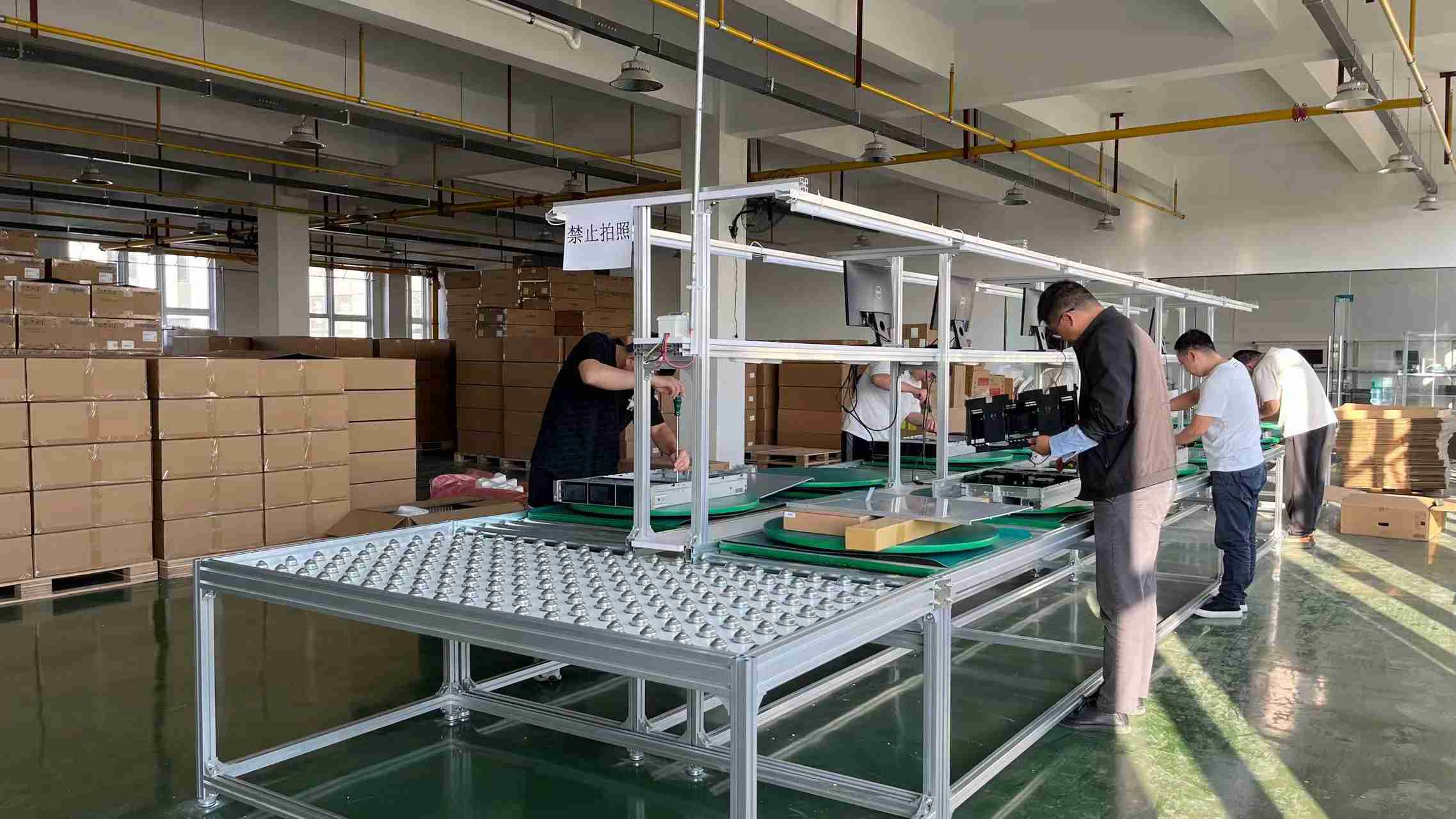
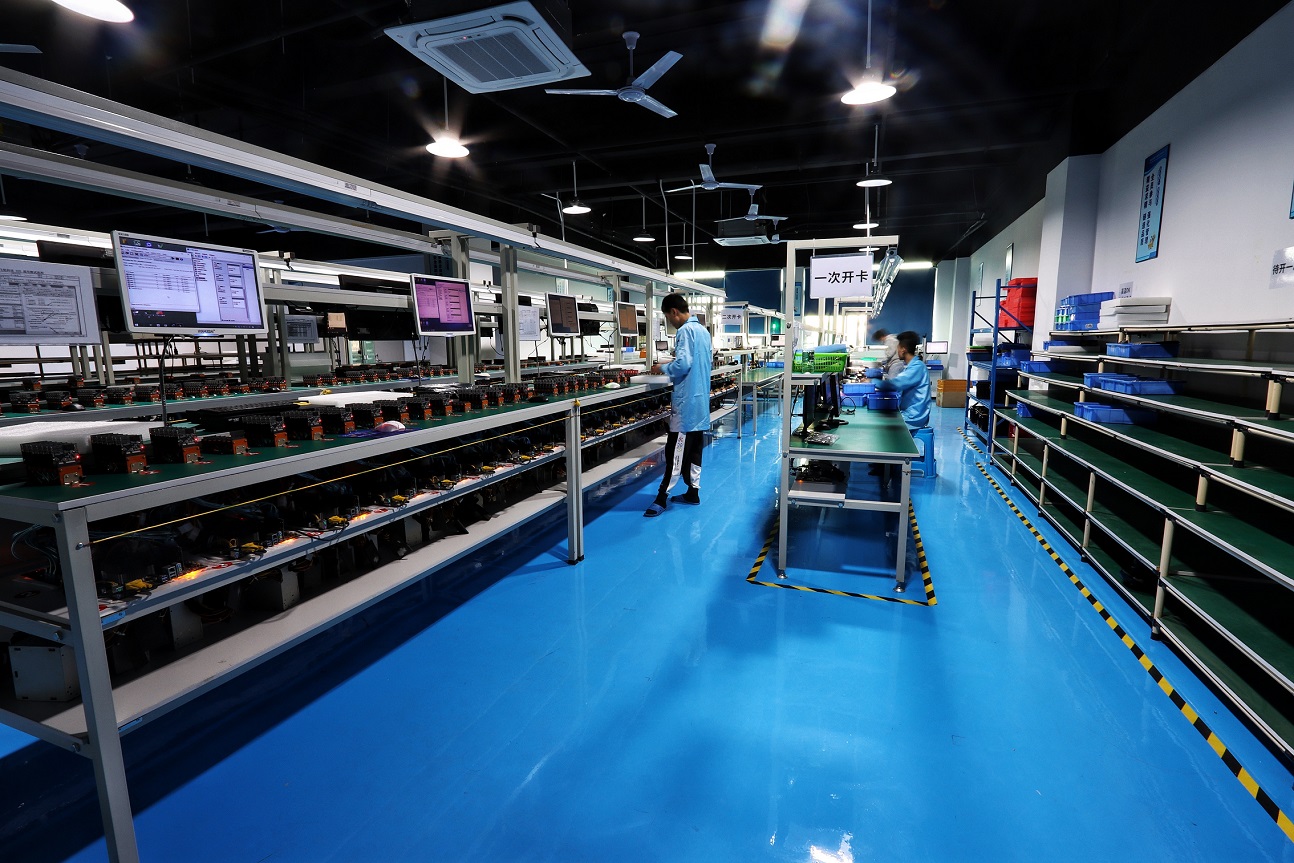
Founded in 2016, LumoWave has grown into a reliable OEM/ODM supplier with a modern production facility covering approximately 320,000㎡. The company generates an annual export revenue of around $12 million, supported by 8 years of export experience and 12 years of industry expertise in advanced communication technologies.
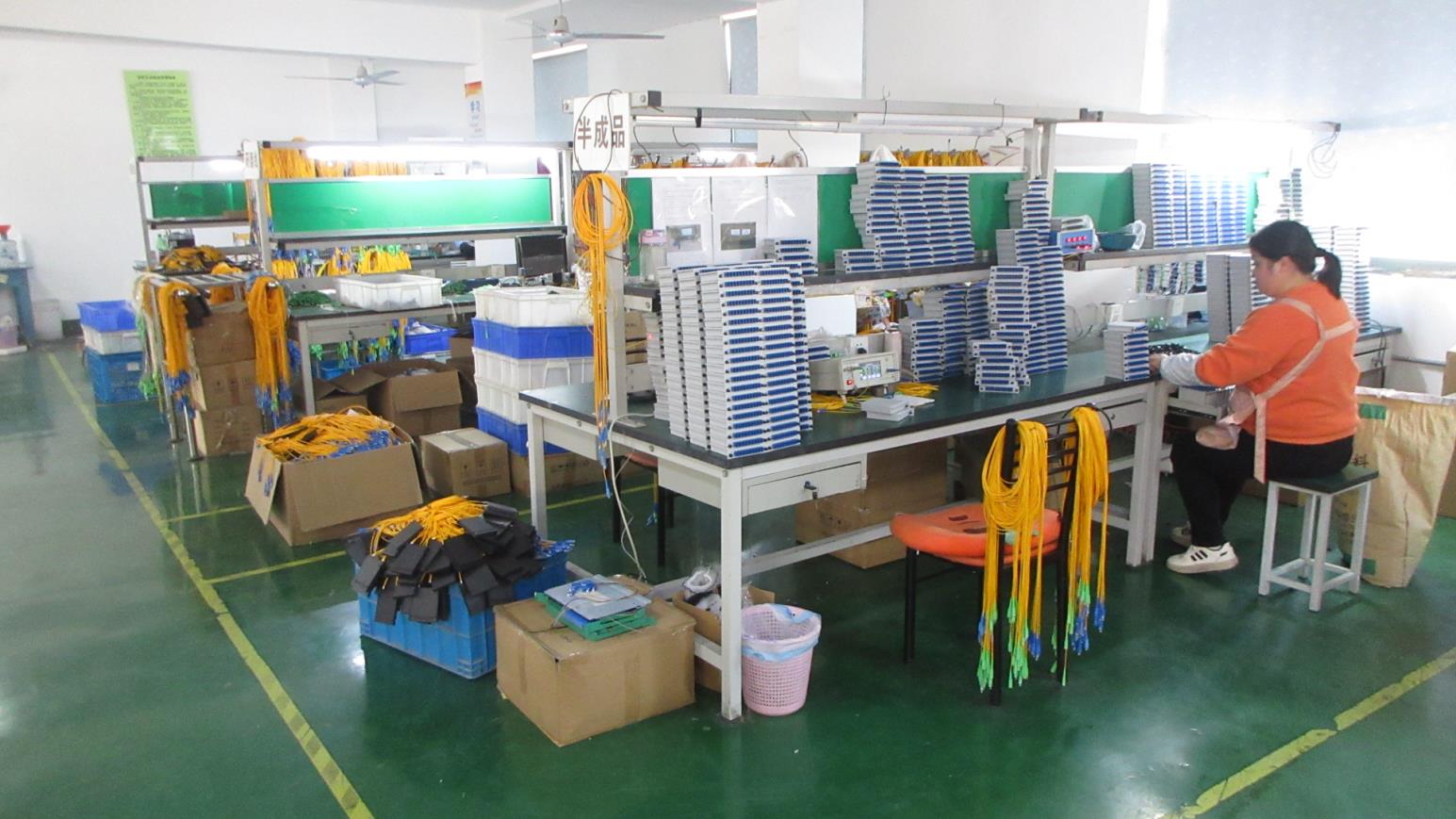
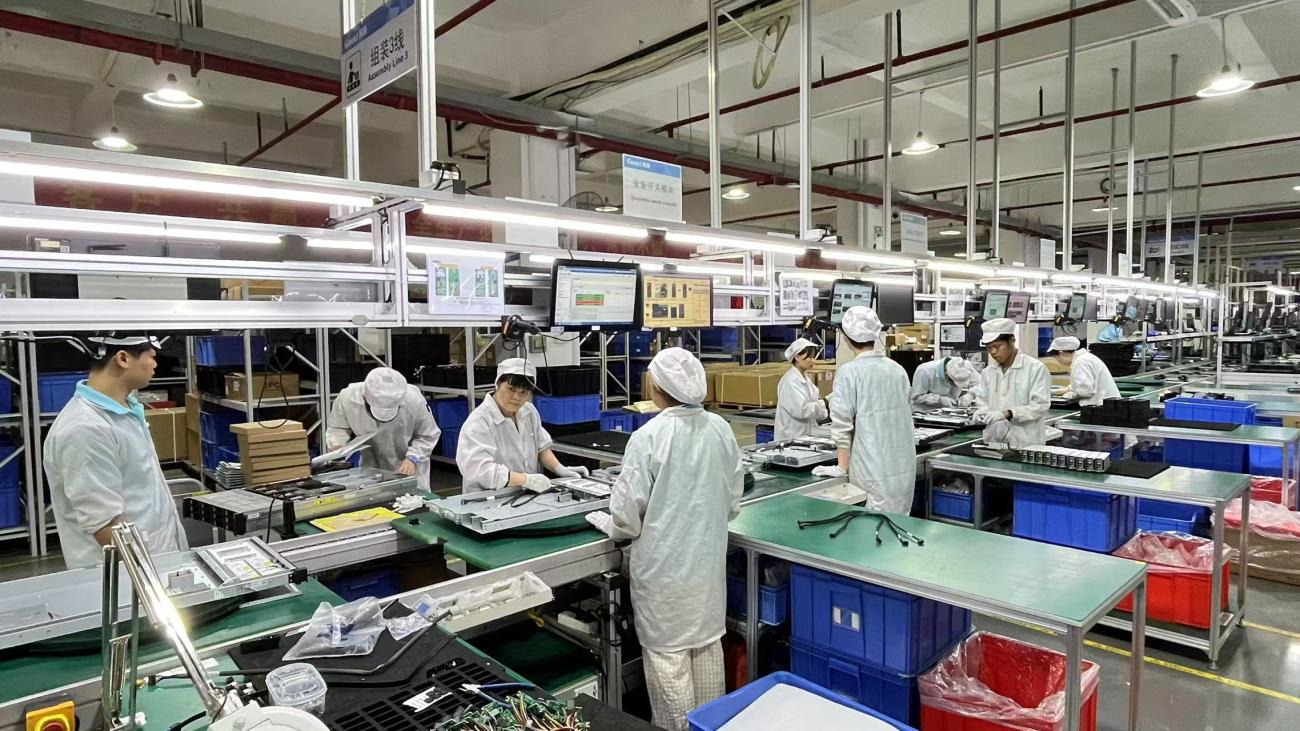
Our production capabilities scale to meet high-volume demands while maintaining individual performance tracking.
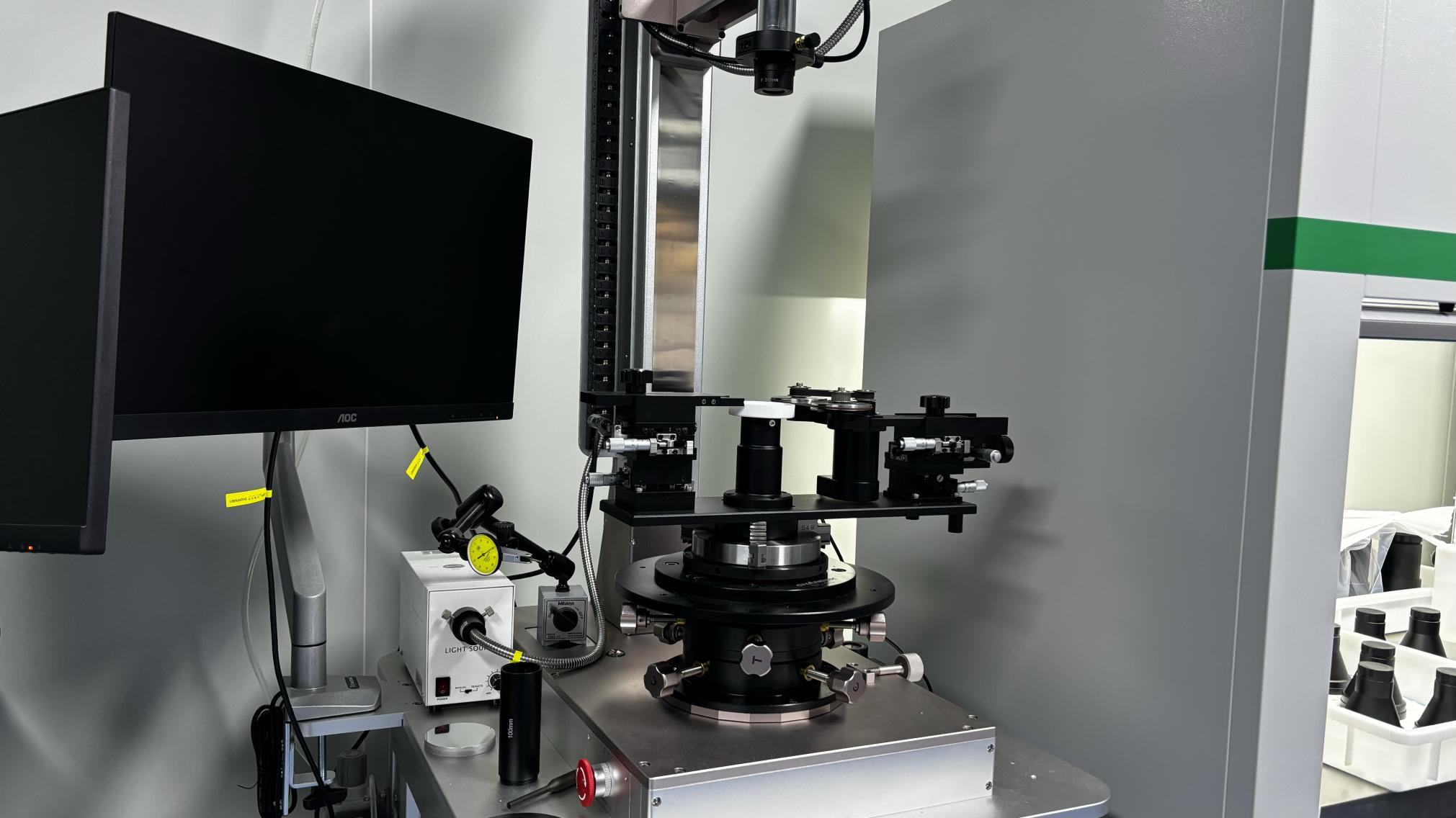
LumoWave operates a comprehensive quality assurance system across all manufacturing stages, including incoming material inspection (IQC), in-process quality control (IPQC), and final product testing (FQC). Because copper and optical interfaces function as unified link systems, our testing processes address physical and electrical characteristics.
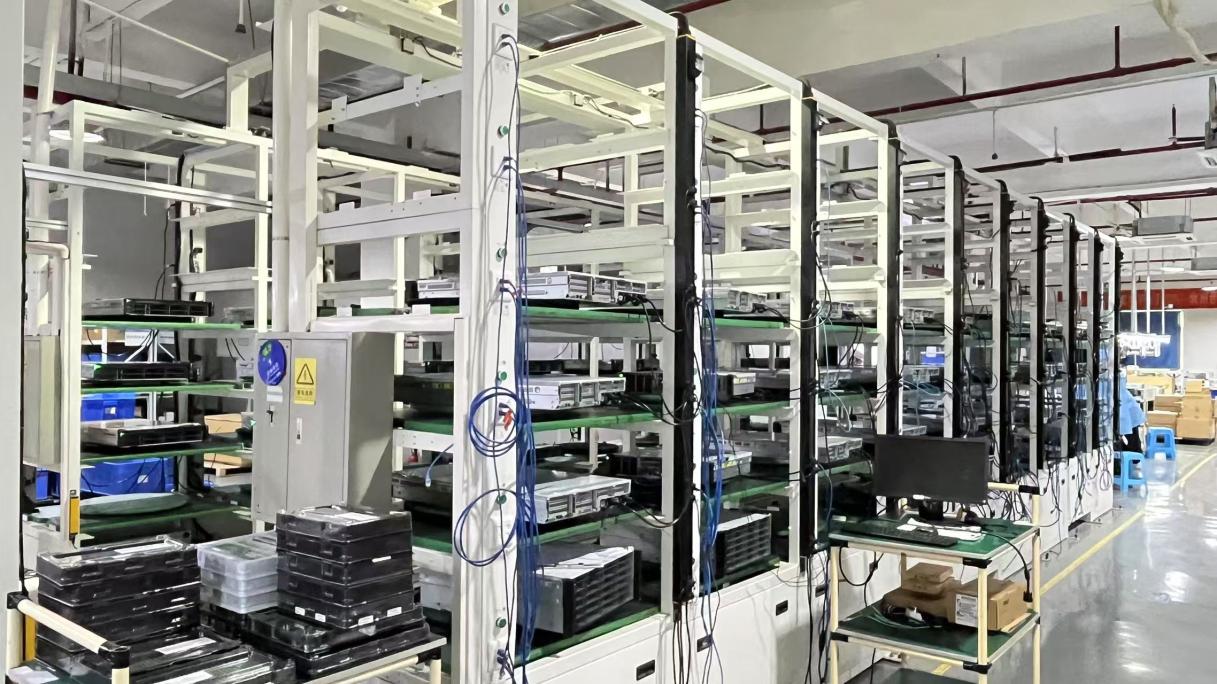
Advanced testing methods, including optical power testing, BER (Bit Error Rate) testing, wavelength accuracy testing, temperature cycling, and aging stress tests, are strictly implemented to ensure product reliability.
The company employs 45 dedicated quality control personnel to maintain compliance with international standards. Additionally, our R&D division features a team of 85 engineers who released approximately 120 new product designs last year, focusing on next-generation high-speed transmission technologies and energy-efficient optical solutions.
A showcase of our industrial footprint, quality control divisions, and advanced testing setups designed to maintain global export compliance.

Answers to technical specifications and OEM procurement inquiries for structured cabling solutions.
The Patch Cord Test evaluates the individual patch cable's performance, serving as the most stringent benchmark. The Channel Test assesses the complete network link, including the patch cables, horizontal cable run, and connectors at each end. The Permanent Link Test evaluates the fixed installation cabling from patch panel to outlet, excluding the modular user patch cords. A reputable OEM supplier tests to the individual component standard (Patch Cord Test) to ensure cables deliver optimal performance regardless of the installation context.
OFC wire features high electrical conductivity and low DC resistance. Cheaper Copper-Clad Aluminum (CCA) alternatives have high resistance, generating heat when supporting high-power PoE protocols (IEEE 802.3bt PoE++ up to 90W). Overheating degrades the cable jacket, increases insertion loss, and can create safety hazards in enclosed plenum spaces.
All modular interfaces and RJ45 jacks are designed to comply with international physical parameters, including ANSI/TIA-568.2-D and ISO/IEC 11801. Our active components (transceivers and MagJack assemblies) undergo EEPROM programming and hardware validation to ensure full compatibility with major industry switch platforms.
We provide wide customization options, including custom length configurations, jacket colors (aligned with data center segmentation standards), jacket materials (LSZH, PVC, CMR, CMP), boot styles (molded, snagless, slimline, latch-lock), and custom labeling.
Explore our industrial-grade connection modules, shielded transceivers, and RJ45 socket integrations designed for direct-to-board network routing.
 LumoWave