Engineered for extreme reliability, low latency, and broad industrial standard compliance.
Unveiling the technological disruptions shaping industrial network hubs and heavy-duty interconnect infrastructure.
Modern smart factories require deterministic latency. The incorporation of IEEE 802.1 TSN protocols in RJ45 Industrial Switches guarantees sub-microsecond synchronization, essential for multi-axis motion control, robotics, and co-existing OT-IT systems without compromising data integrity.
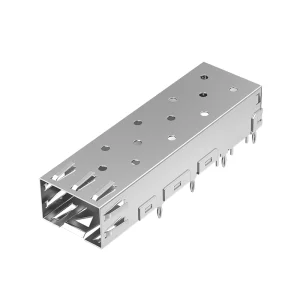
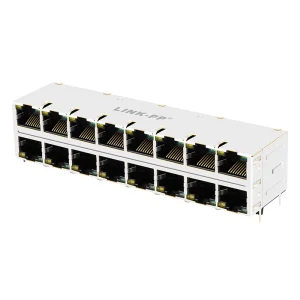
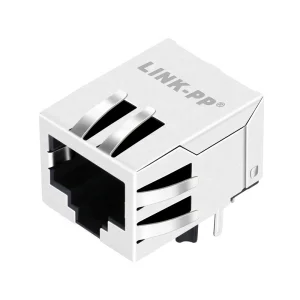
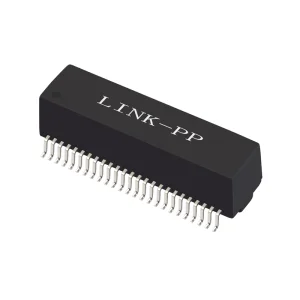
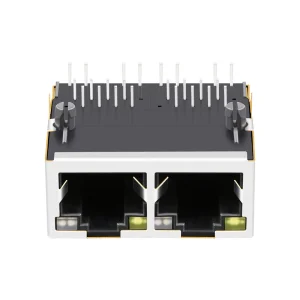
Industrial environments are plagued by high-voltage noise, ESD, and surges. Modern RJ45 layout topologies integrate high-isolation discrete magnetic transformers and robust TE-compatible metallic shielding cages to reject common-mode noise and comply with harsh IEC 61000-4 standards.
Delivering up to 90W of power per port via standard Cat6/Cat6A copper cables. This eliminates the need for separate electrical wiring for remote PTZ cameras, industrial wireless access points, and sensor hubs, saving significant operational and infrastructure cost.
Key criteria procurement directors and infrastructure engineering leads rely upon to select industrial communication component OEMs.
For outdoor cabinets, maritime operations, and wind farms, hardware must support fanless operation from -40°C to +85°C. Integrated housing should feature IP30/IP40/IP67 ratings to resist dust, moisture, and chemical vapor ingress.
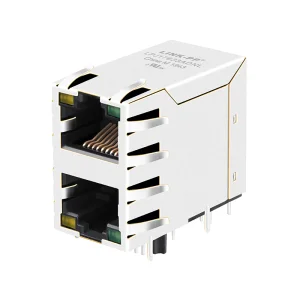
Industrial architectures rely on fiber links for long-range, interference-free backhaul combined with copper RJ45 links for local connections. Selecting vendors offering dual SFP cage modules paired with multi-port RJ45 inputs is a key strategic advantage.
System designers target components with Mean Time Between Failures (MTBF) exceeding 500,000 hours. A stable upstream and downstream partner network (>1,200 partners) is crucial to avoid hardware deprecation cycles.
High-speed optical communication solutions integrated with rugged industrial Ethernet technology.
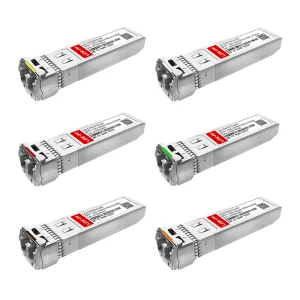
LumoWave Optical Technology Co., Ltd. is a professional optical transceiver manufacturer specializing in high-speed fiber optic communication solutions for global data centers, telecom operators, and enterprise networking applications. Built under the brand LumoWave, the company is committed to delivering stable, high-performance, and cost-effective optical modules ranging from 10G to 800G, including SFP, QSFP, QSFP-DD, and coherent transmission solutions.
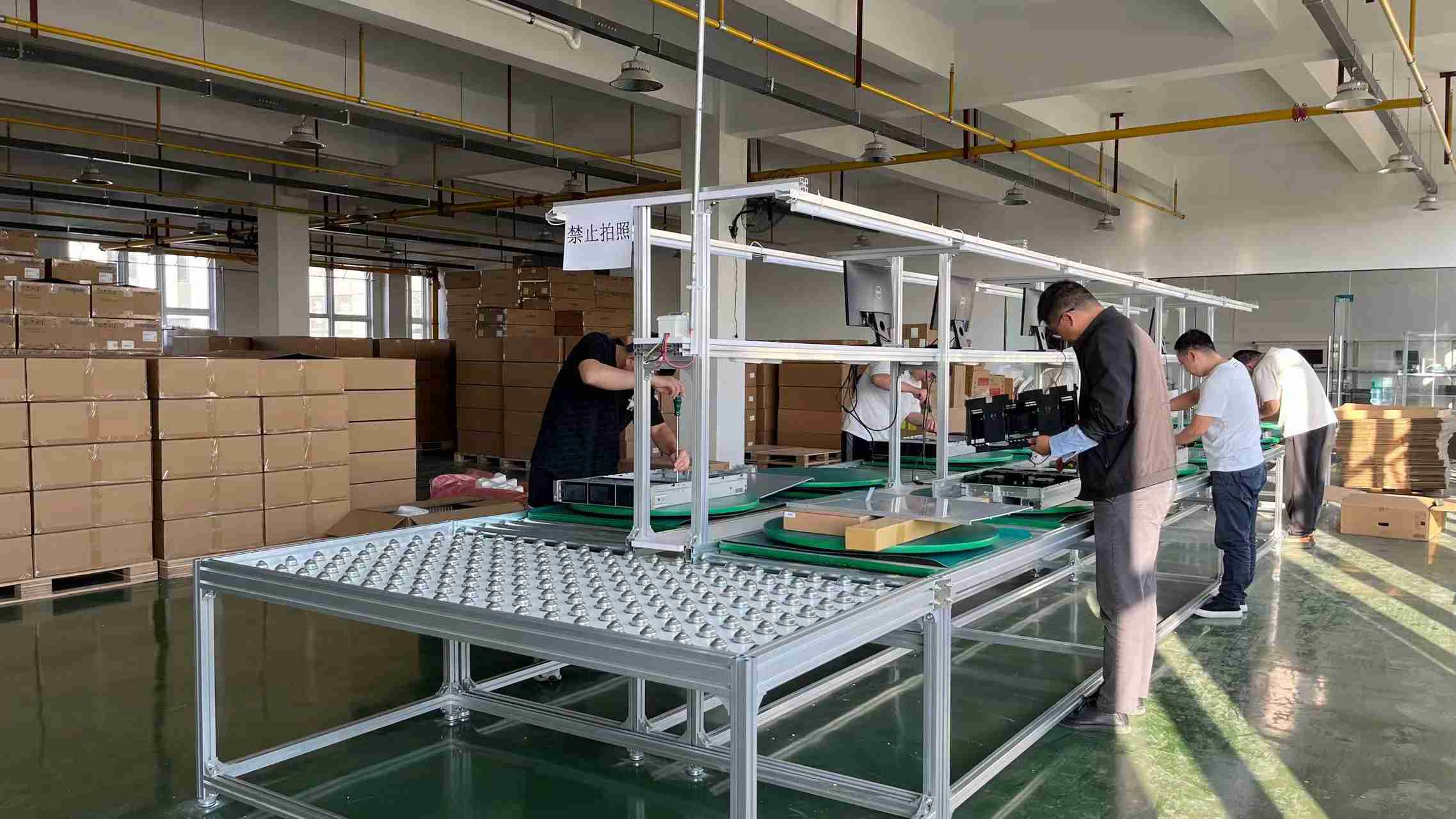
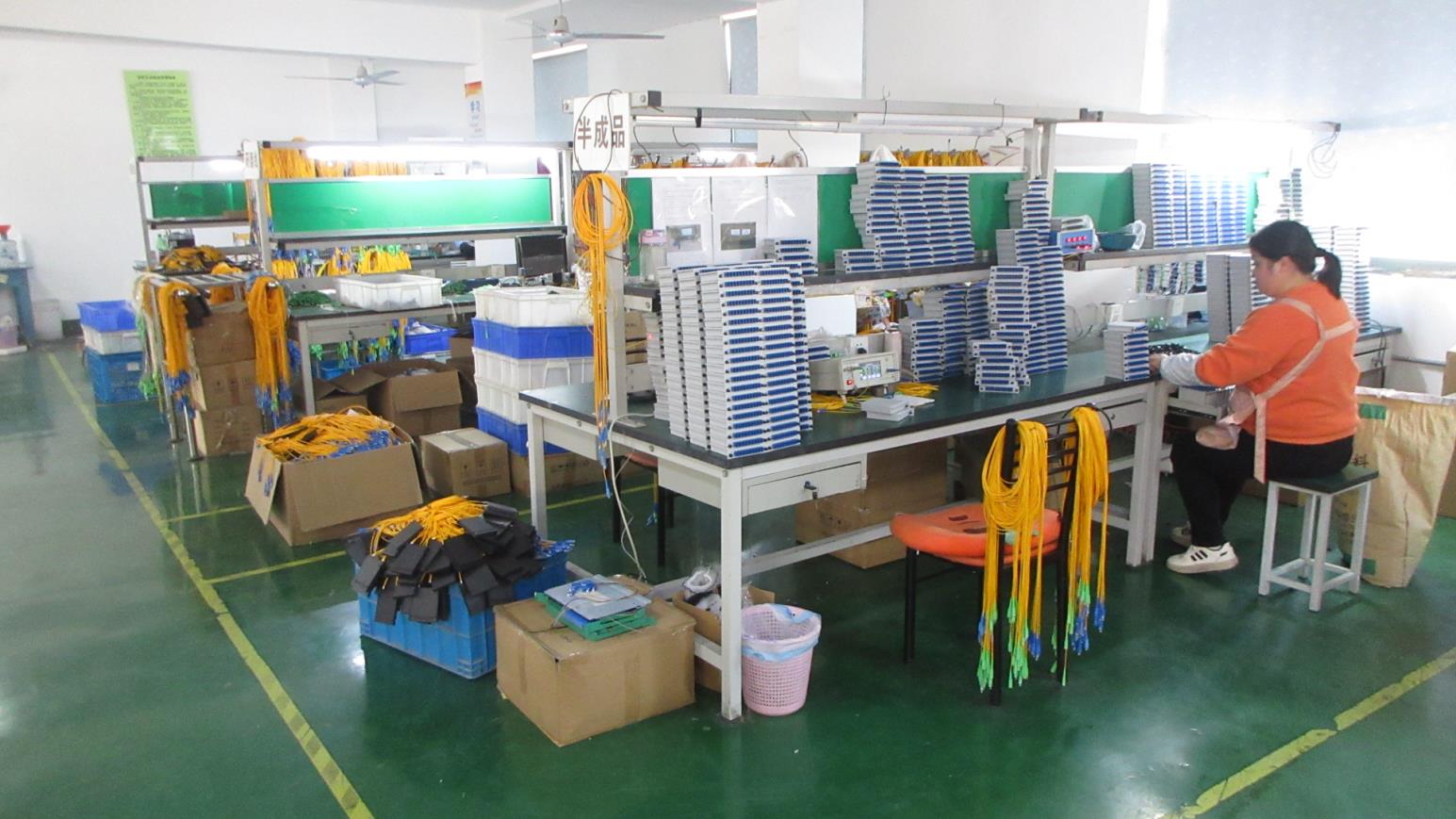
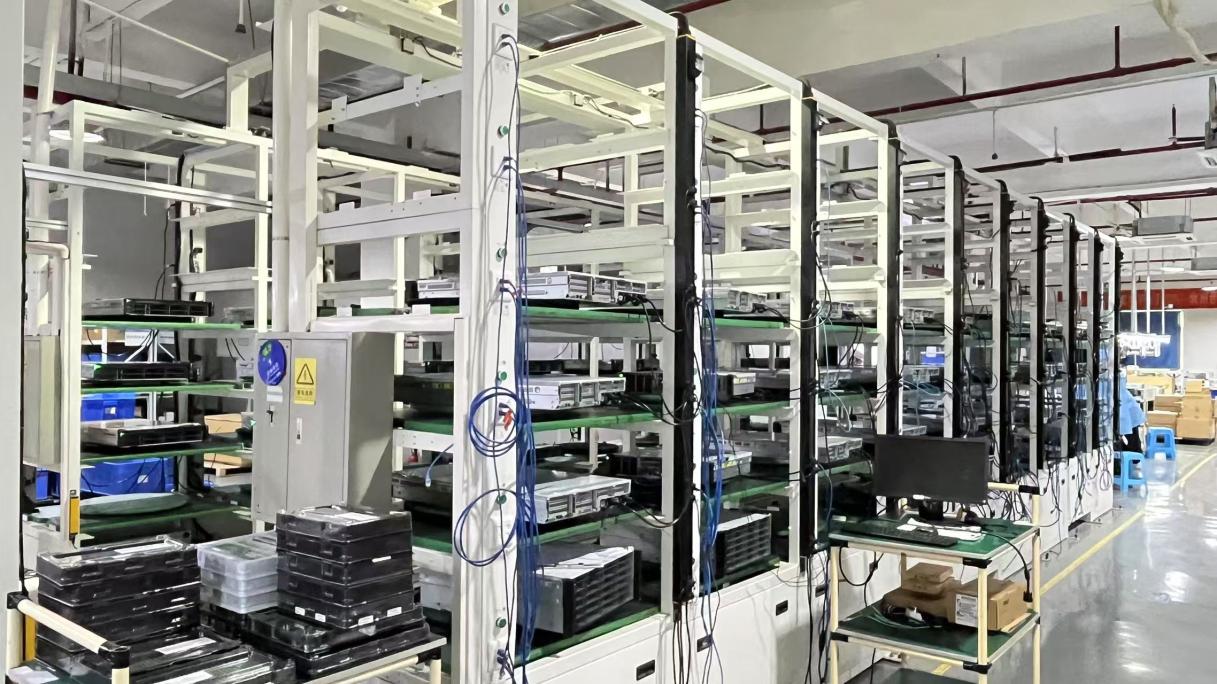
Founded in 2016, LumoWave has developed into a reliable OEM/ODM supplier with a modern production facility covering approximately 320,000㎡. The company generates an annual export revenue of around $12 million, with 8 years of export experience and 12 years of industry expertise in optical communication technologies.
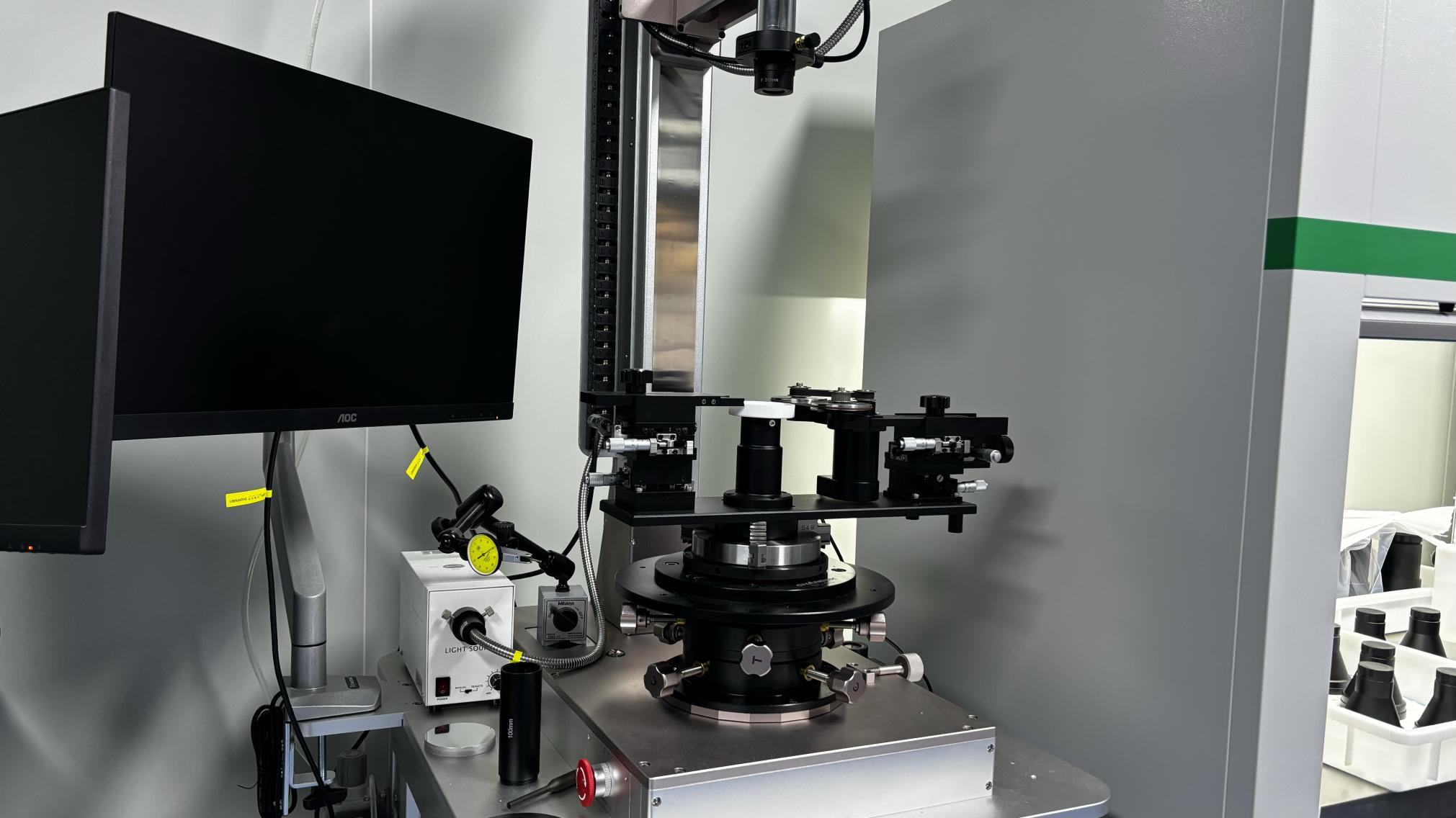
LumoWave operates a comprehensive quality assurance system, including incoming material inspection (IQC), in-process quality control (IPQC), and final product testing (FQC). Advanced testing methods such as optical power testing, BER testing, wavelength accuracy testing, temperature cycling, and aging stress tests are strictly implemented to ensure product reliability. The company employs 45 dedicated quality control personnel to maintain strict compliance with international standards.
With a strong international trade background, LumoWave serves major markets including North America, Europe, Southeast Asia, and the Middle East. Its supply chain ecosystem includes more than 1,200 upstream and downstream partners, supporting scalable and flexible production capabilities.
The company’s main customer base includes telecom operators, data center integrators, cloud service providers, system equipment manufacturers, and network solution providers. LumoWave also provides flexible customization options, including wavelength tuning, distance optimization, EEPROM programming, and private labeling services. Driven by strong innovation capabilities, LumoWave has a dedicated R&D team of 85 engineers, and released approximately 120 new product designs last year, focusing on next-generation high-speed transmission technologies and energy-efficient optical solutions. LumoWave continues to invest in research and development, ensuring compatibility with evolving global network standards and maintaining its position as a trusted partner in the optical communication industry worldwide.



How high-reliability RJ45 switches and optical networks scale across demanding vertical sectors.
Industrial operations in electric substations demand zero packet loss under electromagnetic interference. Systems rely on fiber-optic ring switches coupled with shielded RJ45 modules to bridge terminal units (RTUs), protection relays, and human-machine interfaces (HMIs).
Onboard train networks and roadside traffic cabinets face intense vibration and thermal fluctuations. M12 and lockable RJ45 connectors integrated into high-speed switch backplanes ensure continuous high-definition video feeds, tolling data, and real-time signaling transmission.
Deploying extensive arrays of sensors in petrochemical or manufacturing facilities demands robust edge computing hubs. Fast Ethernet and Gigabit RJ45 ports with integrated magnetic transformers isolate and clean signal inputs before translating them to fiber-optic uplinks.
Securing certification approvals for borderless hardware deployment and localized integration.
All networking equipment must carry certification for markets including North America and Europe. This guarantees conformity with FCC Part 15 Class A, CE Mark (EN 55032/35), RoHS/REACH environmental mandates, and UL/cUL safety listings.
To eliminate deployment delays, hardware suppliers must offer remote/on-site Field Application Engineering (FAE) services, providing hardware validation, board-level debugging, firmware customization, and EEPROM programming configurations.
Using standard form-factors and universal multi-vendor compatibility protocols protects procurement channels. Compatibility with major manufacturers (Cisco, TE Connectivity, Molex, Wurth) allows for rapid drop-in replacements during maintenance cycles.
The integration path forward: Bridging the physical gap between copper, optical, and silicon-photonic technologies.
As industry operations scale toward autonomous AI-driven automation, the bandwidth需求 of industrial networks is rising exponentially. The classic Fast Ethernet RJ45 topology is evolving to support Multi-Gigabit (2.5G/5G/10G) data links over rugged Category 6A copper interfaces. Simultaneously, Single Pair Ethernet (SPE) under IEEE 802.3cg/ch is capturing edge device sensor footprints, enabling IP-based communication all the way down to field-level transducers over distances up to 1000 meters via single-pair copper twisted wiring.
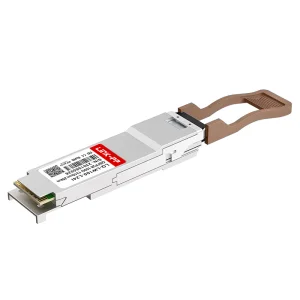
In parallel, the core optical backbones of factories and utility stations are upgrading from legacy 155M/1.25G networks to 10G CWDM SFP+, 25G SFP28, and 100G QSFP28 configurations. This transition provides the necessary data pipeline to feed edge computers, visual quality-inspection systems, and cloud infrastructure. Modern connectors and magnetic transformer modules must optimize performance to mitigate signal distortion and maintain clean eye diagrams across high-density PCB layouts.
Expert insights on sourcing, engineering, and optimizing industrial RJ45 switches and transceiver assemblies.
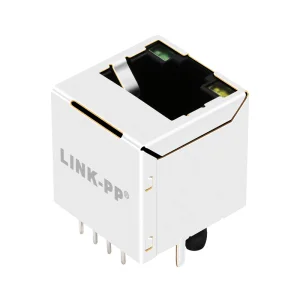
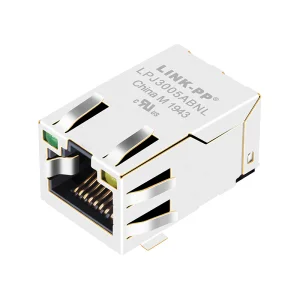
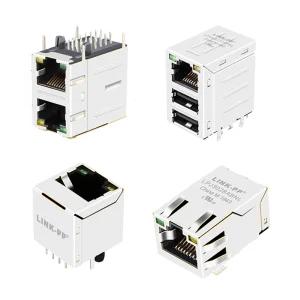
Industrial RJ45 ports are designed with enhanced gold plating, electromagnetic shielding (EMI/EMC) components, and discrete magnetic transformers to isolate spikes and common-mode noise. They also use materials rated for high temperatures and physical vibration, which prevents intermittent contact.
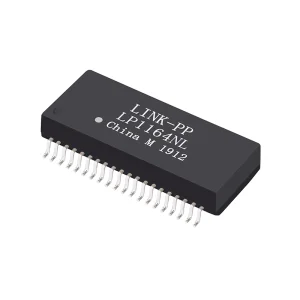
Magnetic transformers protect sensitive transceiver PHY chips from high voltage surges, electrostatic discharges (ESD), and ground loop currents. They maintain signal integrity and prevent data corruption in electrically noisy industrial environments.
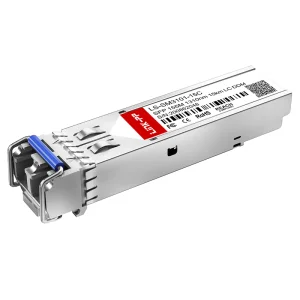
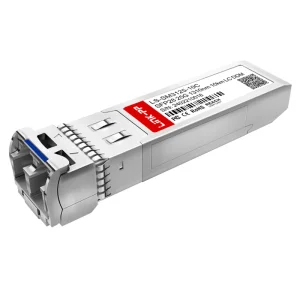
Most optical modules utilize standard EEPROM programming to identify themselves to the host switch. Quality suppliers program their modules (such as Cisco-compatible SFP-25G-LR-S or MFB-FA20) to match the host equipment's firmware requirements, ensuring plug-and-play functionality.
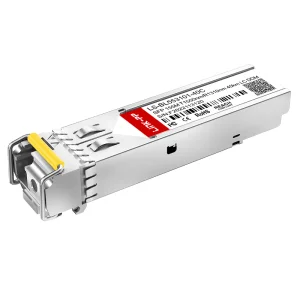
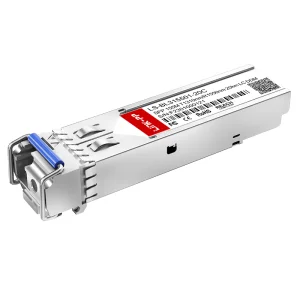
BiDi optical transceivers use Wave Division Multiplexing (WDM) to transmit and receive data on a single strand of fiber (using separate wavelengths like 1550nm-TX/1310nm-RX). This allows installers to double the capacity of existing fiber optic lines without running new cables.
Equipment for hazardous areas (like petrochemical refineries) requires ATEX or Class I Div 2 certifications. Standard industrial environments require CE, FCC, RoHS, and UL safety certifications to verify that materials meet environmental and fire safety guidelines.
Complete catalog of high-speed modules, robust jacks, and magnetic transformers.
 LumoWave