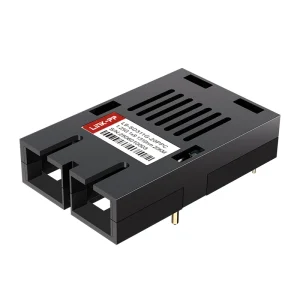
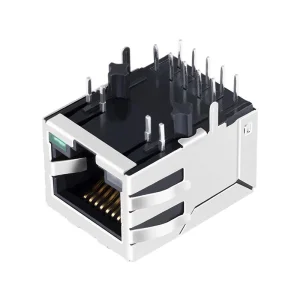
Empowering Global Data Centers, Telecommunications, and Enterprise Infrastructure with High-Bandwidth Ethernet NICs, Optical Transceivers, Magnetic Connectors, and Custom OEM/ODM Engineering Excellence.
Explore our premier selection of high-performance Gigabit RJ45 connectors, SFP cages, and optical transceivers engineered for critical network interfaces and enterprise server architectures.
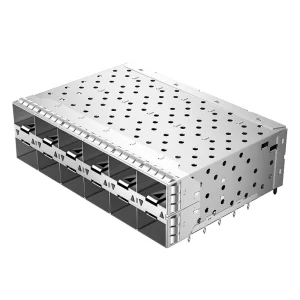
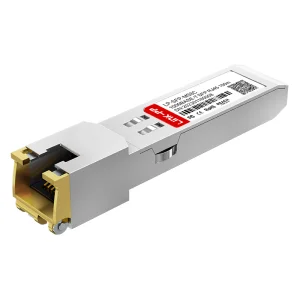
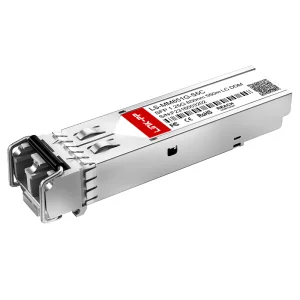
In an era dominated by hyper-scaler expansion, artificial intelligence workloads, and edge-computing proliferation, the network interface architecture stands as the critical bottleneck or enabler of global throughput. LumoWave Optical Technology Co., Ltd. (operating globally under the flagship brand LumoWave) has positioned itself as a premier design house and primary OEM/ODM manufacturer specializing in high-speed network interface cards (NICs), physical layer (PHY) components, magnetic modular connectors, and optical transceiver solutions.
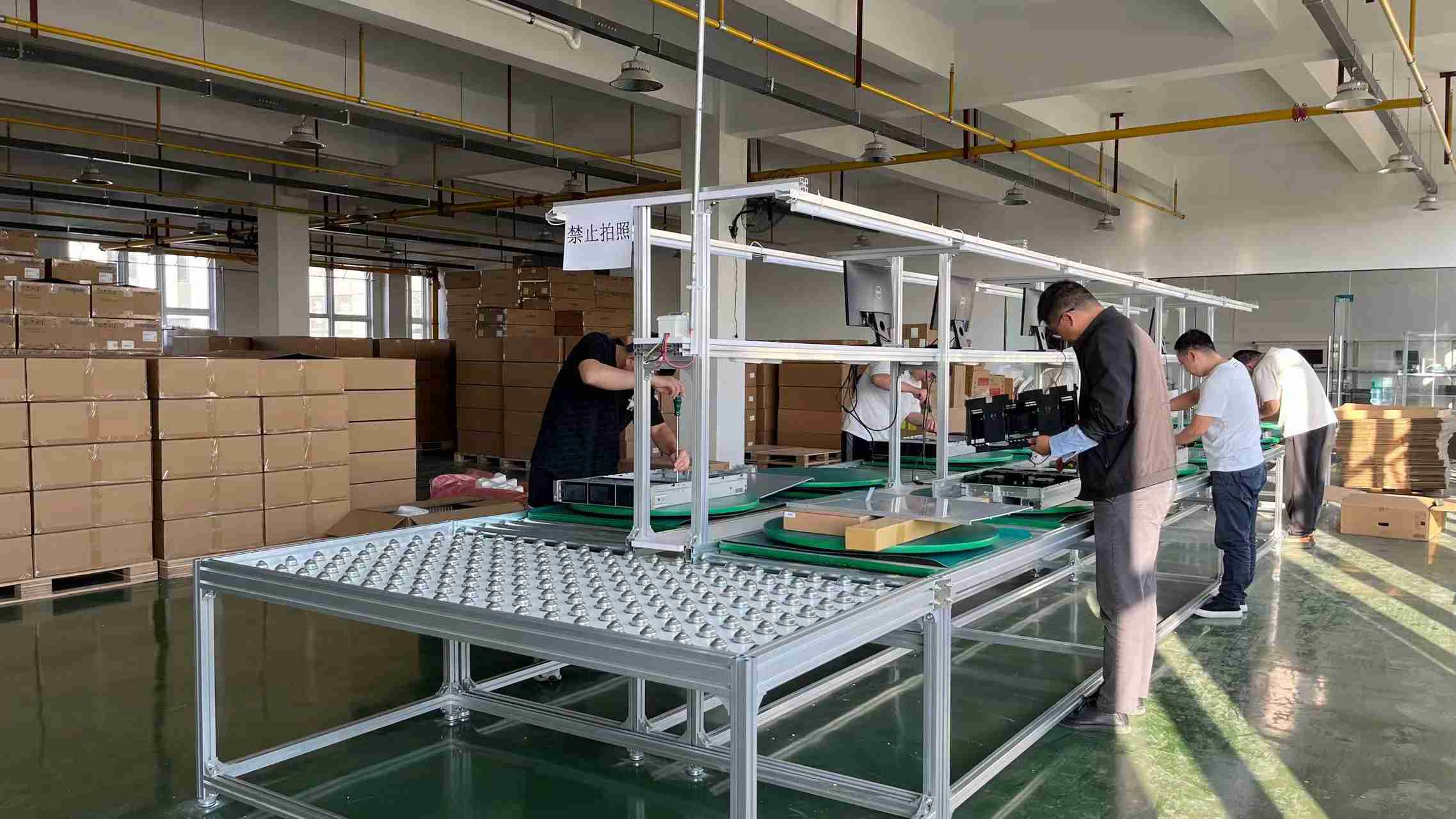
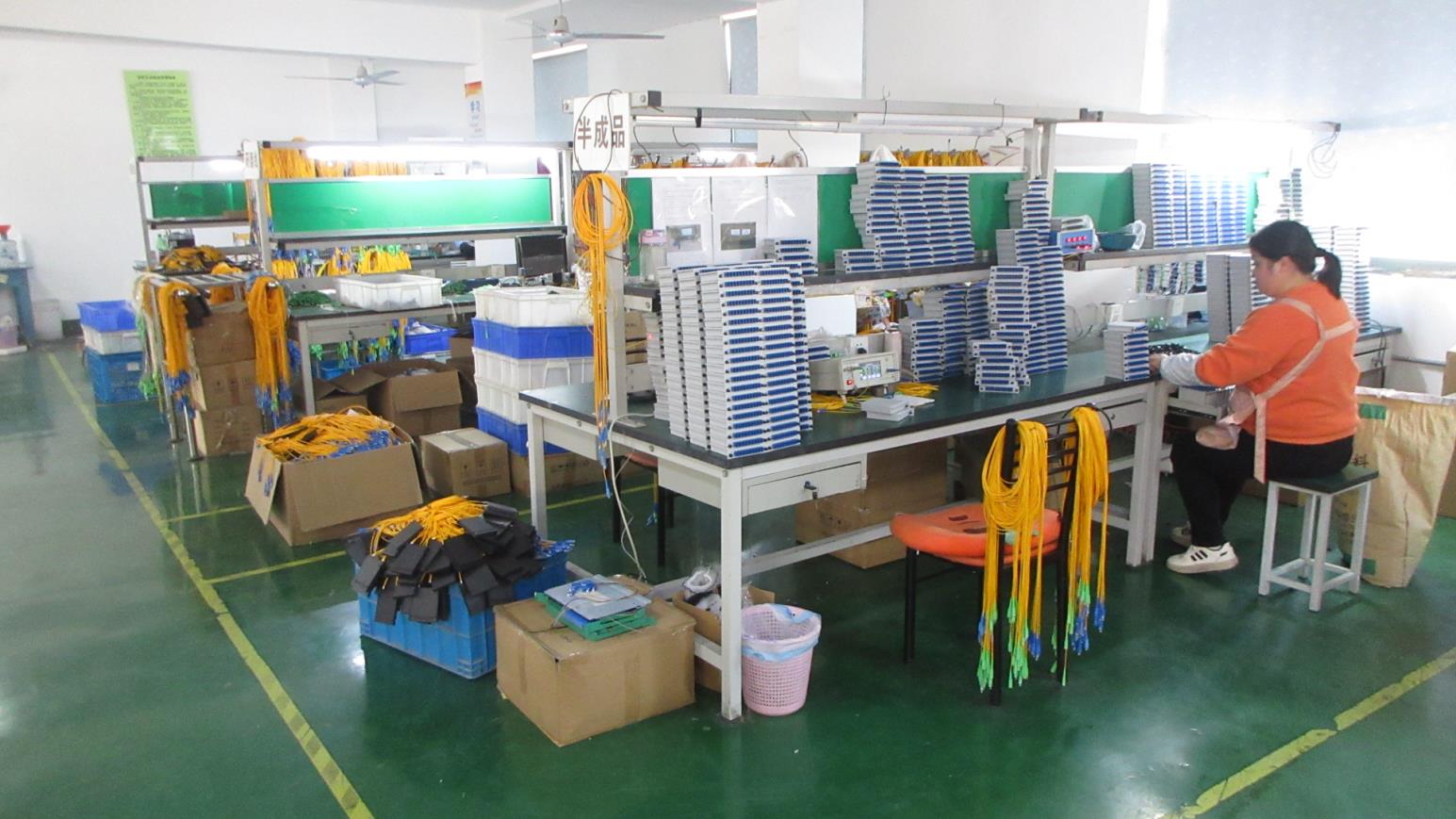
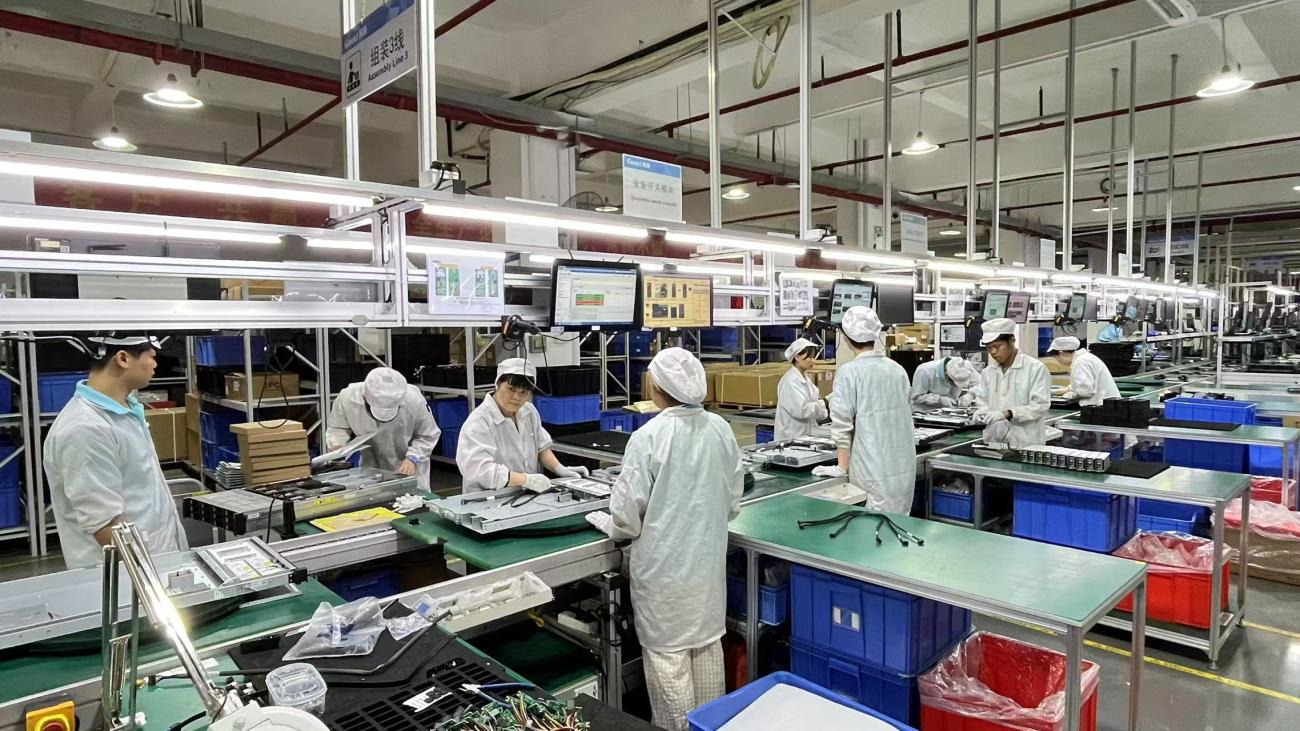
Founded in 2016, LumoWave brings over 12 years of industry expertise in optical-electrical network integration and 8 years of dedicated export experience across Tier-1 global markets. Our manufacturing matrix spans an expansive, state-of-the-art facility covering approximately 320,000 square meters, housing automated SMT assembly lines, high-precision optical aligners, class 10,000 cleanrooms, and advanced Signal Integrity (SI) testing laboratories. Generating an annual export volume exceeding $12 million, LumoWave serves as a backbone supplier for global data center operators, telecommunications hardware vendors, and enterprise system integrators.
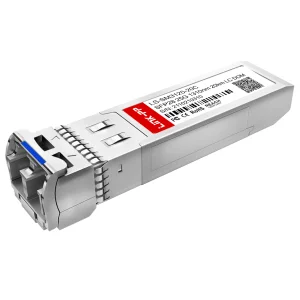
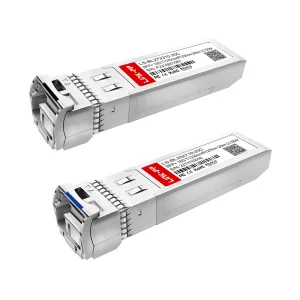
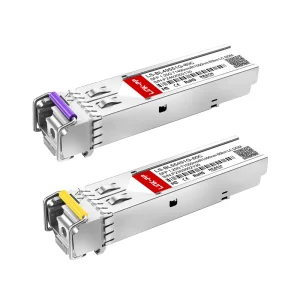
Our core engineering focus spans the complete spectrum of physical network components: from 10/100/1000 Base-T magnetic RJ45 jacks and high-density multi-port SFP/QSFP cage assemblies to next-generation 10G, 25G, 100G, 400G, and 800G optical modules (including SFP+, QSFP28, QSFP-DD, and coherent optical transmission engines).

A Network Interface Card (NIC) acts as the physical and data link layer bridge connecting server hardware, desktop systems, and embedded nodes to high-speed packet-switched networks. To evaluate a top-tier NIC manufacturer, network architects must understand the multi-layered hardware components that govern packet throughput, latency, cross-talk mitigation, and mean time between failures (MTBF).
The PHY silicon translates Ethernet frames between the digital Media Access Control (MAC) domain and analog signals transmitted over copper twisted-pairs or optical fibers. High-performance NIC designs manufactured at LumoWave incorporate advanced SerDes (Serializer/Deserializer) technology, supporting low-power PAM4 and NRZ modulation schemes for maximum signal fidelity.
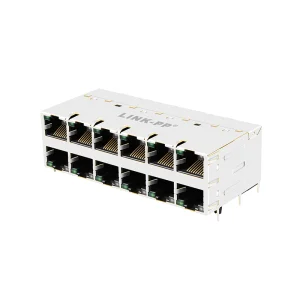
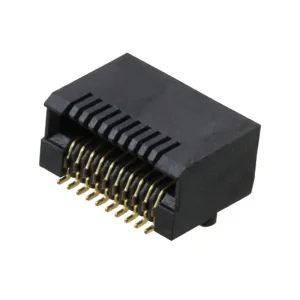
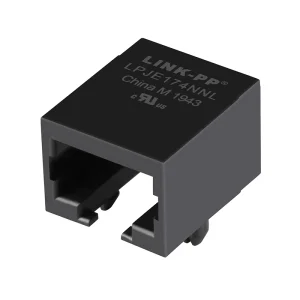
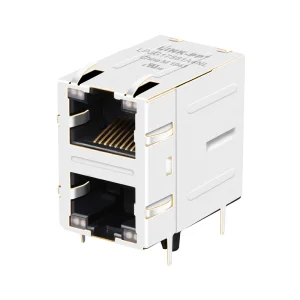
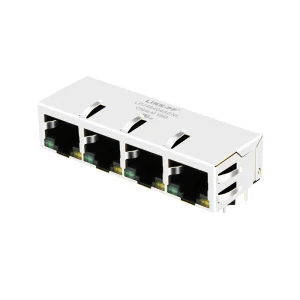
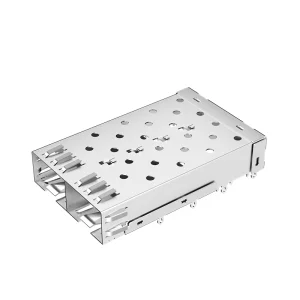
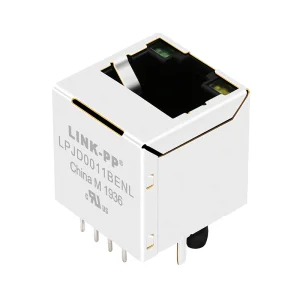
For copper interconnects, integrated magnetic jacks (such as LumoWave's 2X6 stacked modular jacks and vertical entry magnetic connectors) provide vital galvanic isolation (1500V RMS), common-mode noise suppression, and EMI shielding. In fiber-optic environments, gold-plated SFP/QSFP press-fit cages ensure optimal ground loops and low insertion loss across multi-gigabit interfaces.
Modern enterprise NICs interface with the host CPU via PCIe Gen 4.0/5.0 bus topologies. To minimize host CPU overhead, advanced NIC configurations leverage hardware offloading engines including Single Root I/O Virtualization (SR-IOV), Data Plane Development Kit (DPDK) optimization, TCP Offload Engines (TOE), and RDMA over Converged Ethernet (RoCEv2).
| Architecture Parametric | Copper (RJ45 Base-T) NICs | Optical (SFP+/SFP28/QSFP) NICs | SmartNIC / DPU Offload Adapters |
|---|---|---|---|
| Typical Bandwidth Spectrum | 100Mbps to 10Gbps | 10Gbps to 800Gbps | 25Gbps to 400Gbps (Configurable) |
| Maximum Link Reach | 100 Meters (Cat6a / Cat7) | Up to 80km (SMF / Single-Mode) | Variable (Dependent on Optics/DAC) |
| Latency Characteristics | Medium (~2.5 µs to 4 µs) | Ultra-Low (< 1 µs) | Deterministic Near-Zero Latency |
| Power Consumption Profile | 2.5W - 5W per Port | 1.0W - 3.5W per Module Port | 15W - 50W (Active Processing Unit) |
| Primary Application Envelope | Enterprise LAN, Edge Switching, Campus | Cloud Datacenters, Telecom Core, HFT | AI Cluster Interconnect, NVMe-oF |
Selecting the right Network Interface Card supplier requires evaluating not only component engineering, but also the resiliency, depth, and agility of the manufacturing supply chain. Based in China's high-tech manufacturing hubs, LumoWave leverages an ecosystem comprising over 1,200 upstream and downstream component partners. This concentrated industrial synergy yields immense competitive advantages for global clients:
From direct sourcing of high-purity copper frames and gold plating salts (15u" to 50u" specifications) to long-term wafer allocation agreements with leading optical-electrical IC foundries, LumoWave mitigates component shortages and maintains stable pricing models amidst volatile market conditions.
With 85 R&D engineers on staff, LumoWave offers rapid turnarounds for specialized hardware requirements. Last year alone, our engineering unit delivered 120 custom product designs, encompassing custom EEPROM coding, customized optical link budget tuning, custom pinout stacked RJ45 footprint modifications, and custom white-label packaging.
Our 320,000m² factory deploys fully automated high-speed surface-mount technology (SMT) lines, automated optical inspection (AOI), and multi-station robot soldering systems. Automation drastically reduces manual intervention, driving product yields above 99.8% while providing global partners with pricing structures up to 40% more cost-effective than Western equivalents.
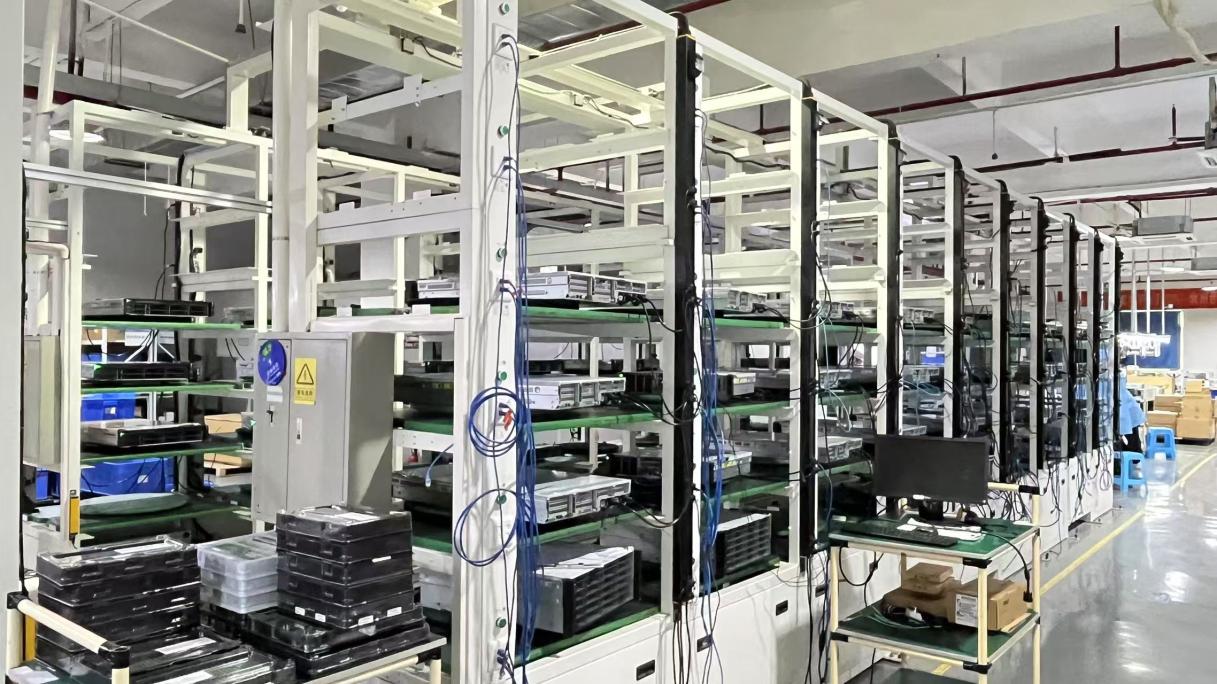
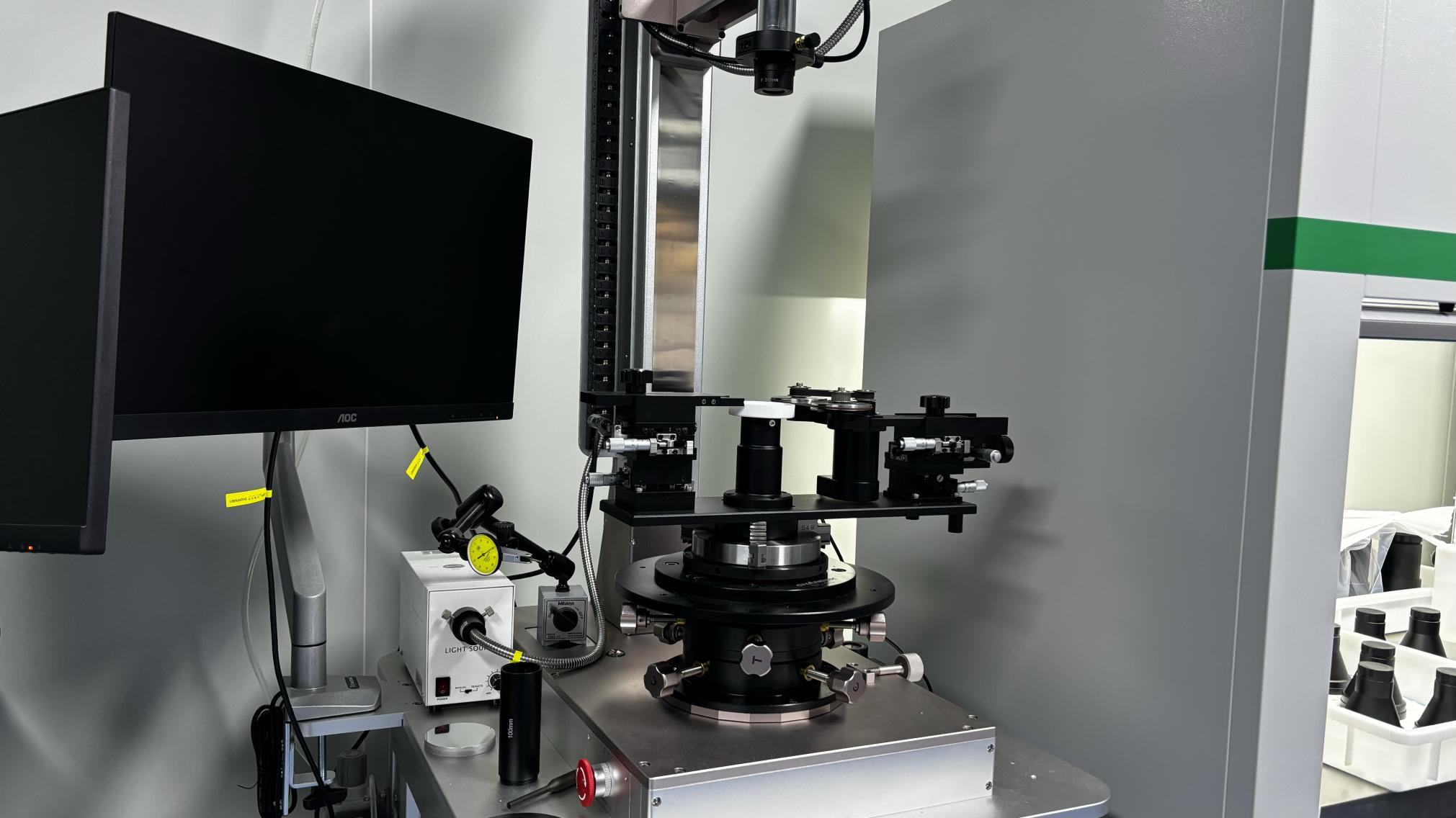
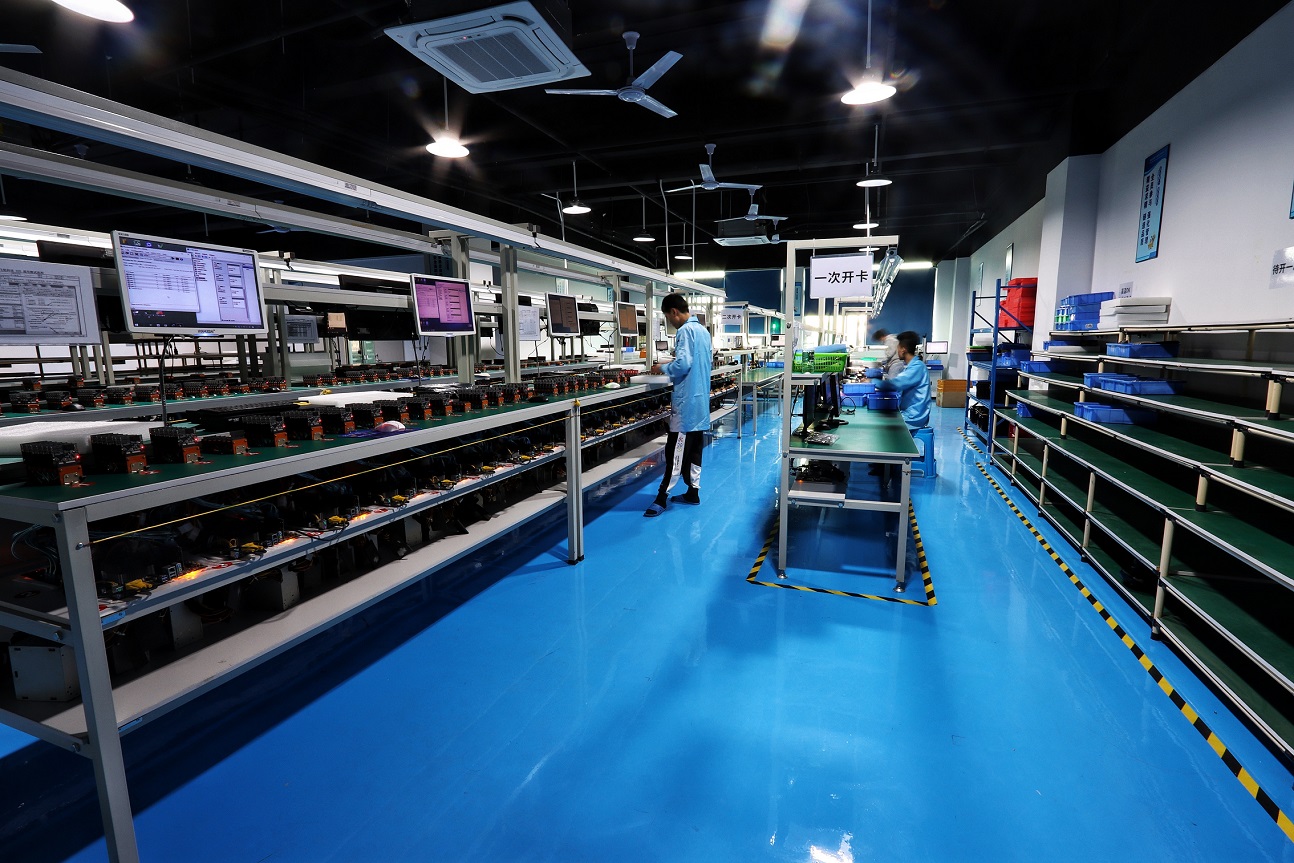
In critical data center environments, a single packet drop or connector degradation can trigger cascading network downtime. At LumoWave, quality assurance is an active engineering discipline rather than a passive inspection checkbox. Our dedicated quality team consists of 45 specialized QC auditors and reliability engineers who strictly enforce a closed-loop quality management system.
100% verification of raw PCB laminates, connector housing die-casts, contacts, IC microcontrollers, and laser diodes. Material composition analysis (RoHS XRF screening) and mechanical tolerance verifications are performed prior to warehouse entry.
Continuous real-time Monitoring of SMT reflow profile curves, 3D Automated Solder Paste Inspection (SPI), 3D Automated Optical Inspection (AOI), and in-line electrical continuity screening across every production stage.
Every optical module and network interface card component undergoes 100% final testing. Test metrics include Bit Error Rate (BER) analysis (down to 1E-15 levels), eye diagram analysis, transmitter optical power output verification, receiver sensitivity testing, and wavelength accuracy calibration.
Furthermore, batch samples are subjected to accelerated lifetime stress tests (ALT), industrial thermal chamber cycling (ranging from -40°C to +85°C), humidity soaking, and high-frequency vibration testing to guarantee compliant long-term operation under harsh enterprise deployments. All LumoWave network components adhere fully to IEEE 802.3 standards, SFF Multi-Source Agreements (MSA), CE, FCC, and RoHS mandates.
LumoWave’s hardware solutions power telecommunications operators, cloud service providers, hyper-scale data centers, and system integrators across North America, Europe, Southeast Asia, and the Middle East. Operating across diverse global regions requires more than superior hardware; it requires absolute compliance with regional operational standards and regulatory frameworks.
Full compliance with FCC Class A/B digital device emissions standards, TAA compliant supply-chain documentation options, and seamless MSA compatibility with leading OEM switch vendors (such as Cisco, HPE, Arista, and Dell).
Strict adherence to CE marking, RoHS hazardous substance restrictions, and REACH chemical safety frameworks. Energy-efficient transceiver profiles engineered to meet European green data center energy targets.
Robust localized support infrastructure, thermal tuning for high-ambient-temperature data center deployments, and accelerated air freight logistics hubs supporting rapid project deployment timelines.
As bandwidth requirements grow exponentially due to Artificial Intelligence Large Language Model (LLM) training clusters and 5G/6G wireless networks, standard NIC architectures are undergoing a paradigm shift. LumoWave R&D teams actively drive innovation across several key technological trajectories:
Standard NICs are rapidly giving way to SmartNICs equipped with programmable FPGA units or System-on-Chip (SoC) architectures. By offloading networking functions (vSwitching, micro-segmentation), storage protocols (NVMe-oF), and security algorithms (IPsec/TLS encryption) directly to the NIC interface, servers free up 20% to 30% of their host CPU cores for compute workloads.
At speeds of 800G and 1.6Tbps, traditional copper traces between switch silicon and optical transceivers suffer high electrical attenuation. CPO technology integrates optical engines directly alongside ASIC processors on a shared substrate, reducing power consumption by up to 30% and dramatically increasing port density.
Data center rack space remains at a premium. LumoWave continues to innovate with multi-port stacked RJ45 magnetic connectors (such as 2x1 and 2x6 arrays) and high-density OSFP/QSFP-DD cage designs that maximize throughput per rack unit without sacrificing thermal dissipation capability.
Discover our comprehensive array of network interface connectors, optical modules, and specialized magnetic jacks tailored for mission-critical installations.
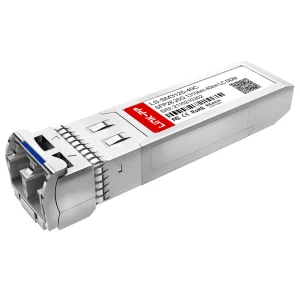
Get expert insights into sourcing Network Interface Cards, connector magnetics, and optical transceivers directly from a trusted China manufacturer.
 LumoWave