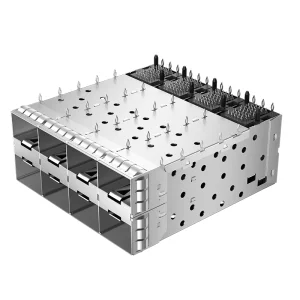
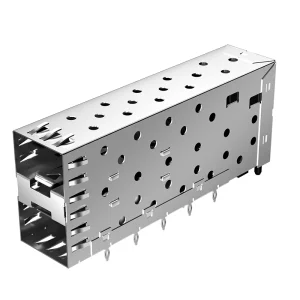
Optimized replacement cages with integrated light pipes and maximum EMI suppression, built to withstand tropical environmental factors in Central African data centers.
The Central African Republic (CAR) is navigating a pivotal digital evolution. With key initiatives such as the Central African Backbone (CAB) project, spearheaded by the African Development Bank, the nation is establishing high-capacity fiber-optic links connecting Bangui to neighboring telecommunication gateways in Cameroon and the Republic of the Congo. This cross-border connection aims to reduce latency, lower bandwidth costs, and provide stable digital services to municipal and remote enterprises.
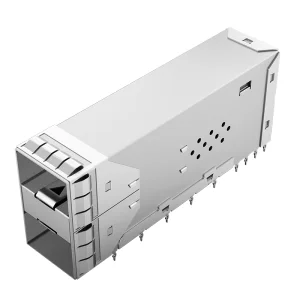
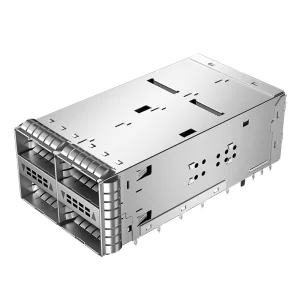
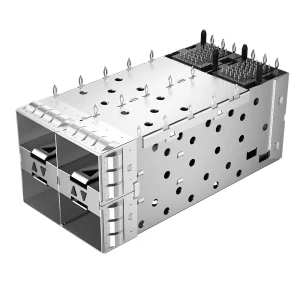
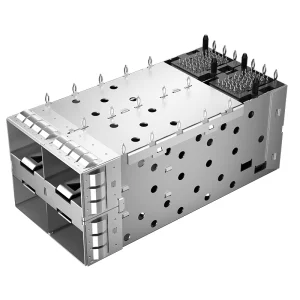
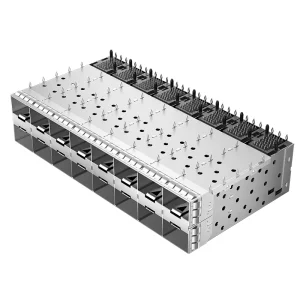
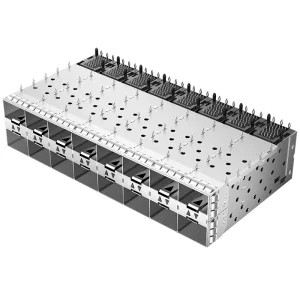
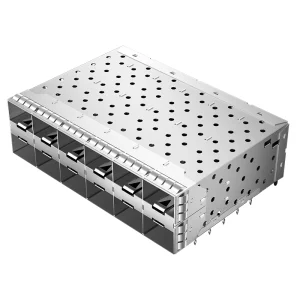
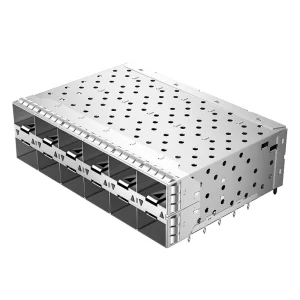
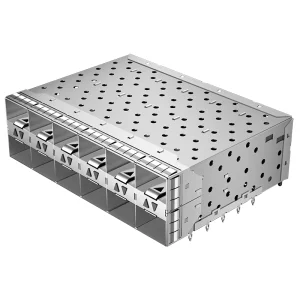
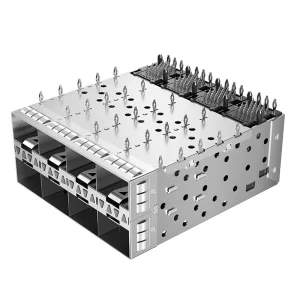
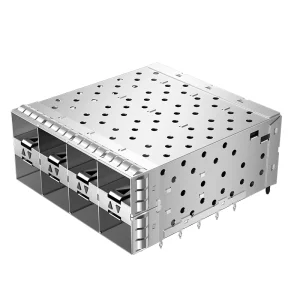
For systems integrators, regional telecom operators, and government infrastructure teams in CAR, upgrading physical network nodes is the primary challenge. Deploying 2xN stacked port connectors (such as 2x1, 2x2, 2x4, and 2x8 configuration SFP/QSFP/zSFP+ cages) is a core strategy for optimizing space within optical distribution racks. By stacking cages vertically on PCBs, operators can double port density compared to single-row configurations, allowing high-throughput switching hardware to be deployed in compact, energy-efficient chassis.
LumoWave’s line of press-fit, EMI-shielded 2xN stacked cages offers system designers in CAR a robust path to upgrade legacy networks without complete backplane redesigns, providing seamless compatibility with industry standards like TE Connectivity and Pulse Electronics.
Central Africa faces harsh environmental conditions, including elevated humidity and temperatures. Physical infrastructure must adhere to rigorous performance criteria:
Understanding the mechanical design characteristics of stacked cages that ensure long-term reliability in telecom backhauls.
Equipped with copper alloy outer cages and EMI spring fingers, our 2xN stacked systems prevent high-frequency radiation leaks. Compliance with SFF-8431 specifications guarantees low emissions in high-speed, high-density applications.
Through-hole press-fit (elastic pin-in-paste) technology provides solid mechanical connections without soldering. This setup limits circuit board degradation under intense thermal stress and simplifies maintenance in isolated telecom shelters.
Dual-round or square-profile optical light pipes transmit port status indicators directly to the faceplate, facilitating remote diagnostics and rapid maintenance for technical staff operating in municipal network sites.
LumoWave Optical Technology Co., Ltd. is a leading manufacturer specializing in optical transceiver integration and high-speed fiber communication components. Our brand, LumoWave, represents reliable, high-performance, and cost-effective fiber optic connectivity solutions ranging from 10G up to 800G, designed for global carrier networks, cloud data centers, and metropolitan backbones.
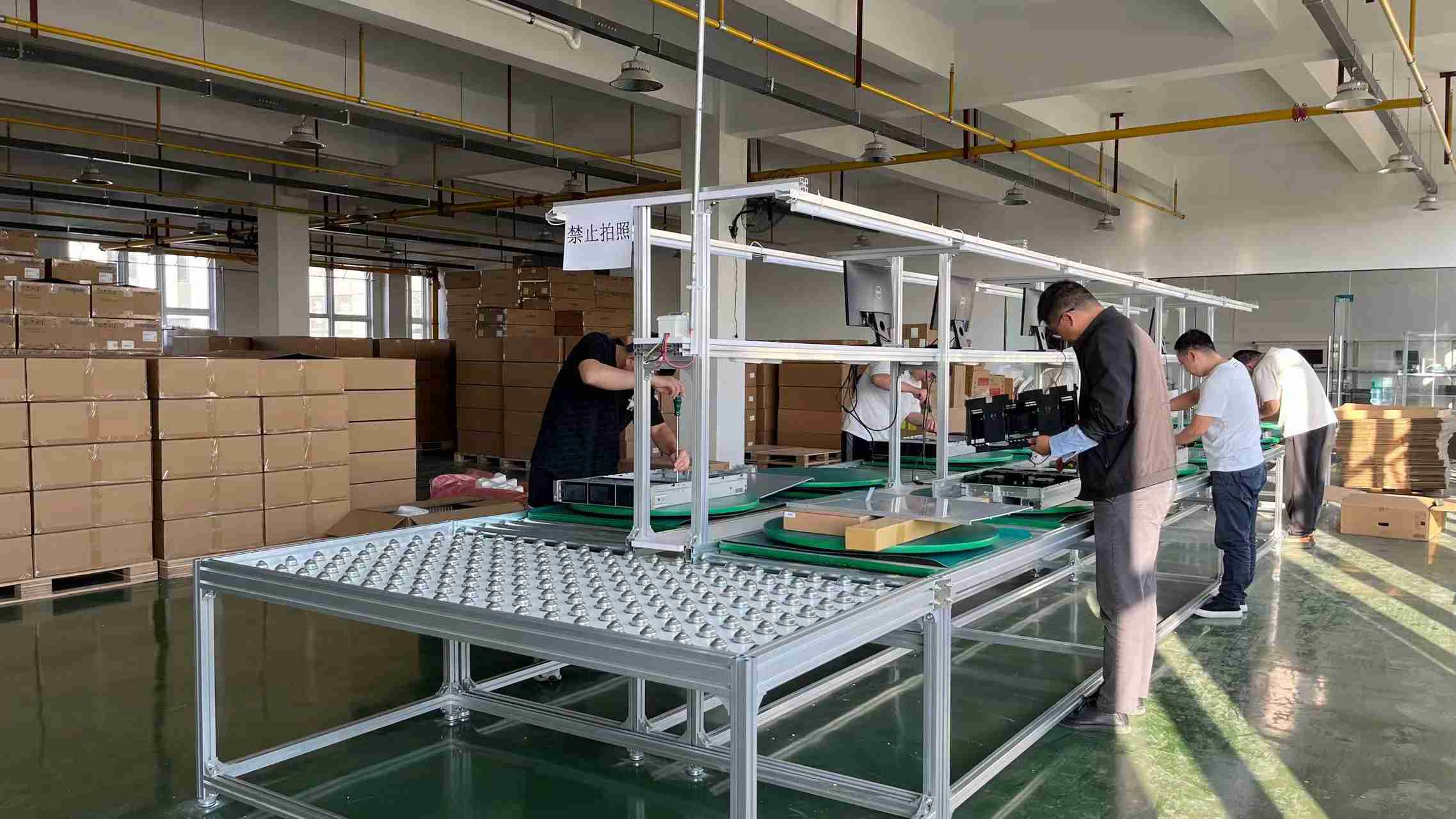
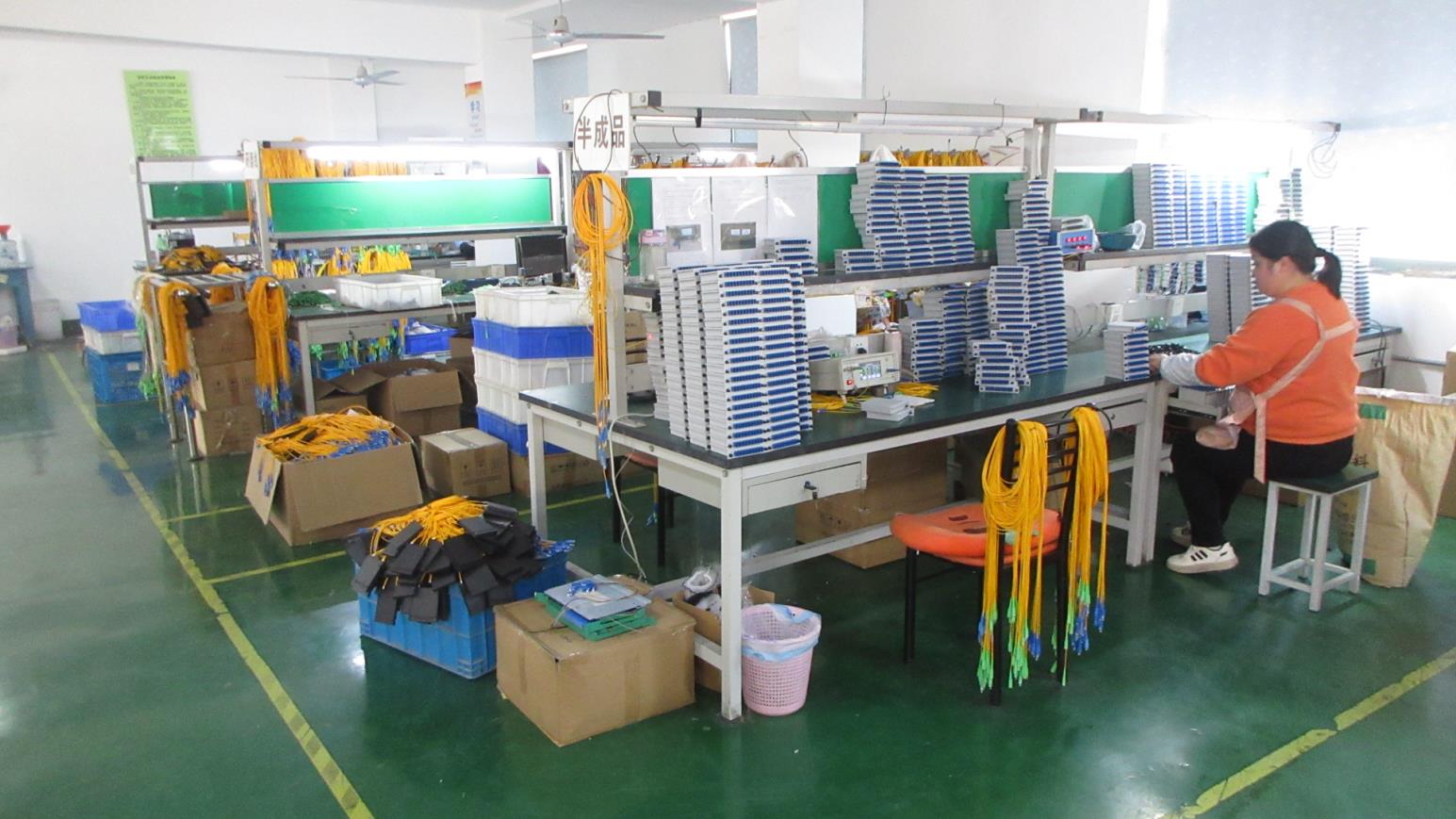
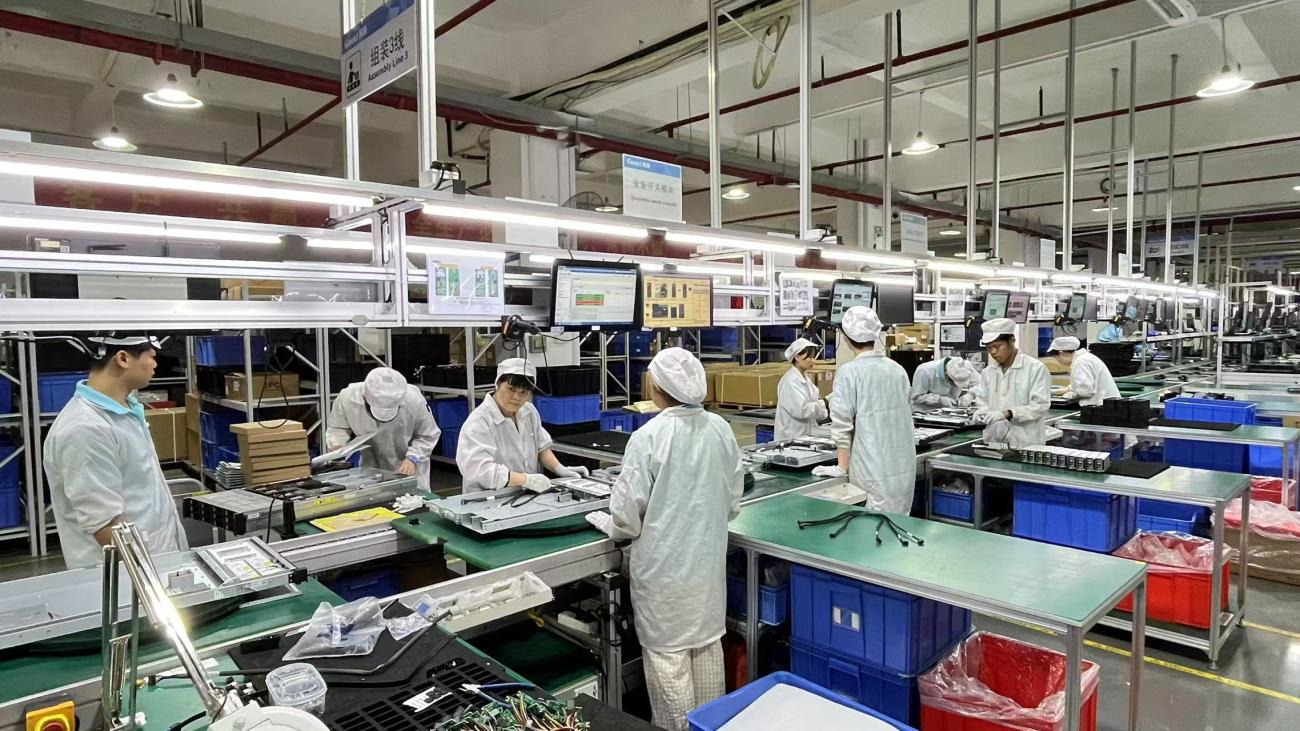
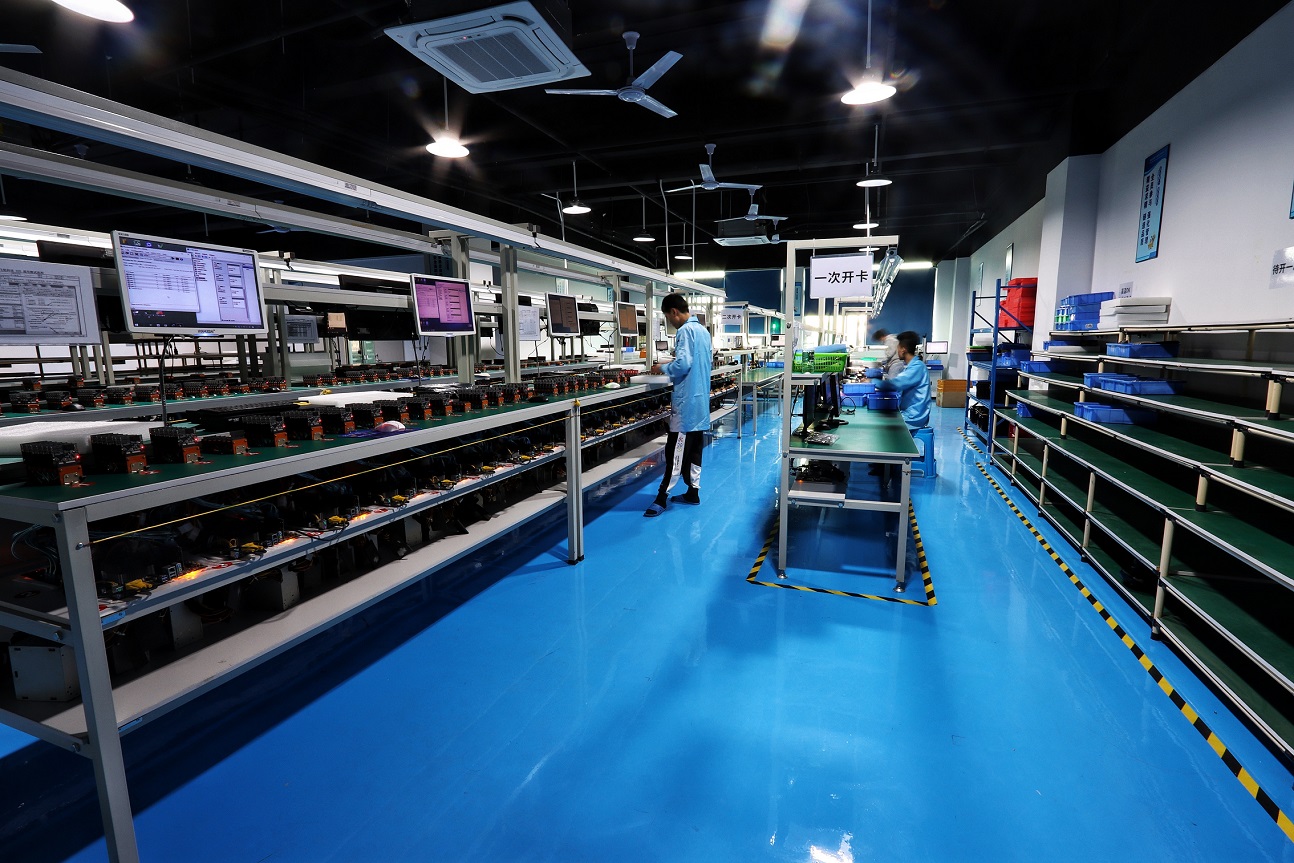
Since our establishment in 2016, we have built a manufacturing infrastructure spanning 320,000 m². Over the years, we have achieved a yearly export volume of approximately $12 million, supported by 12 years of industry experience in high-density transceiver port design and 8 years of export excellence delivering compliant hardware to complex logistics destinations.
We work in collaboration with network operators, regional distributors, and data center integrators worldwide to provide high-quality optical connectivity solutions that sustain long-term operations in diverse environmental conditions.
As broadband penetration in the Central African Republic expands from core municipal zones like Bangui and Bimbo, regional backhauls face growing capacity demands. Scaling network interfaces from 10G SFP+ to 25G SFP28, 100G QSFP28, and 400G QSFP-DD requires careful hardware planning. 2xN stacked port layouts are central to this evolution:
Replacing aging, corroded single-row ports with high-quality 2x1 and 2x2 zSFP+ press-fit stacked ports to establish clean 10Gbps optical backbone lines inside Central African regional hub installations.
Deploying 2x4 and 2x6 stacked ports for 25Gbps (SFP28) and 100Gbps (zQSFP+) configurations, supporting link aggregation from rural fiber lines back to central government computing architectures.
Integrating specialized stacked configurations with dedicated heat sink fins and custom airflow pathways to maintain signal integrity during sub-Saharan peak temperature periods.
How local telecom operators, mining field offices, and governmental bodies utilize LumoWave stacked port components.
Telecommunication installations across CAR, from Bangui to Berberati, are transitioning to high-speed LTE. LumoWave's stacked SFP+ cages allow operators to double the interconnect pathways in base stations without replacing physical switch housings, maximizing network uptime and minimizing system footprints.
For remote mining facilities operating in challenging outdoor environments, our press-fit 2x4 and 2x6 stacked cages offer high vibration resistance and protection against particulate entry. Combined with thermal conduction brackets, these connectors help secure backplane reliability in isolated locations.
Browse our complete line of replacement cages. Direct export, fast shipping, and compatibility certification guaranteed for Central African buyers.
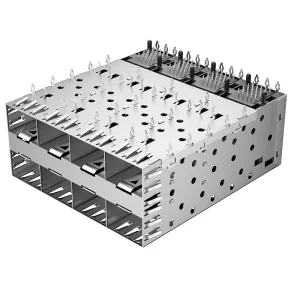
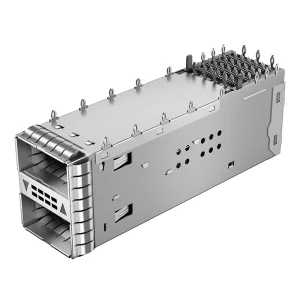
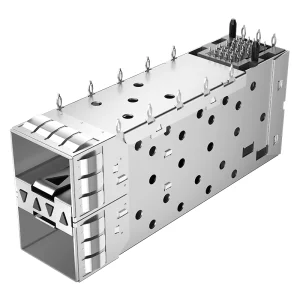
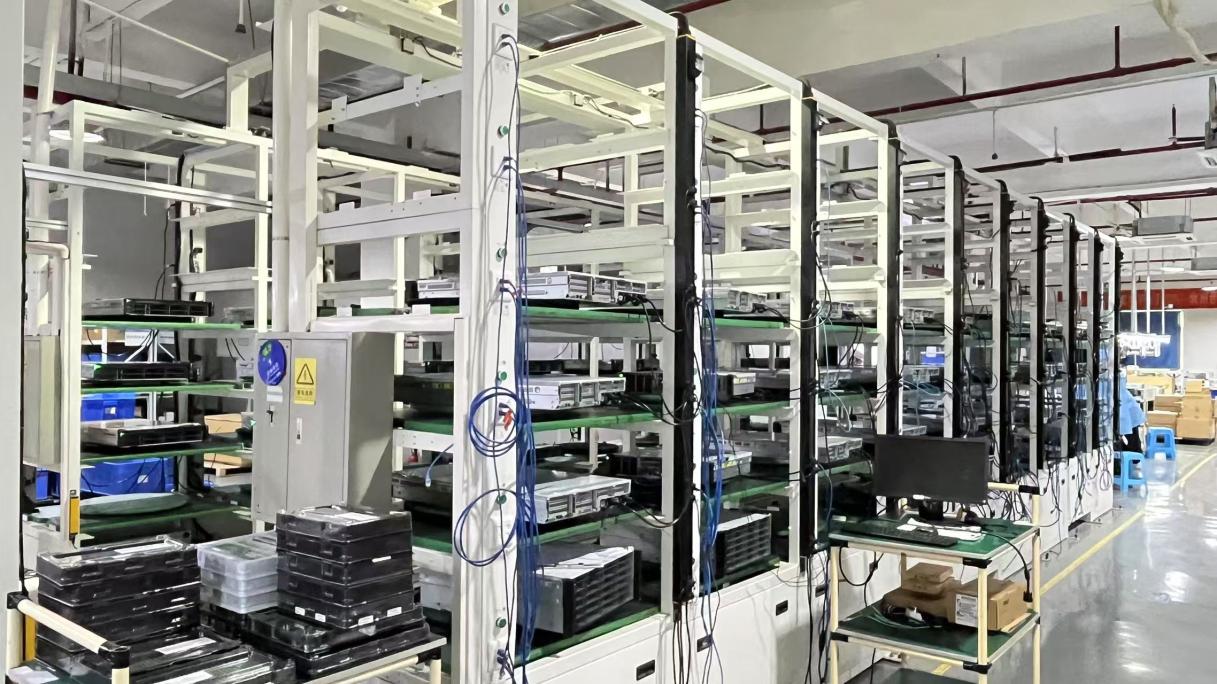
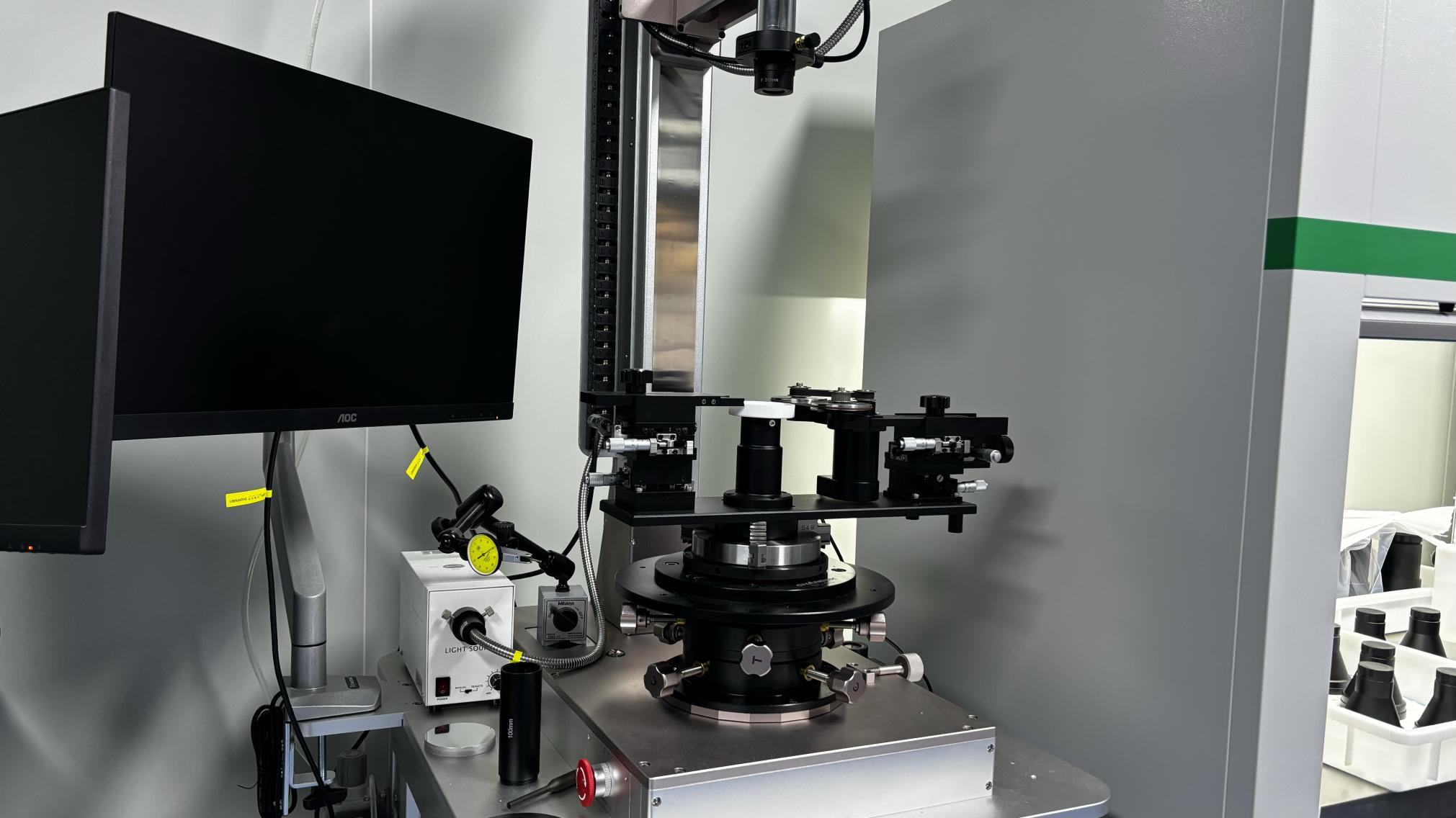
Every single interconnect solution we export undergoes rigorous testing protocols to ensure stability under operational stresses.
LumoWave operates a comprehensive quality control framework that guides our optical transceiver manufacturing processes. We employ 45 dedicated quality control professionals to monitor each stage of fabrication:

Answers to engineering and logistics questions concerning deployments in Central African networks.
Contact our engineering and sales support team to discuss your network specifications. We provide mechanical drawings, free samples for validation projects, and customized logistics solutions for orders heading to Bangui and neighboring Central African hubs.
Send Inquiry Now LumoWave