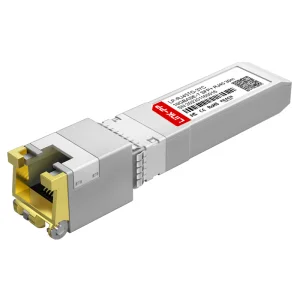
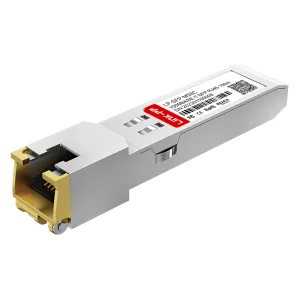
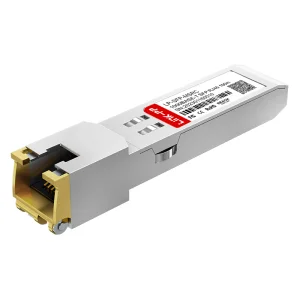
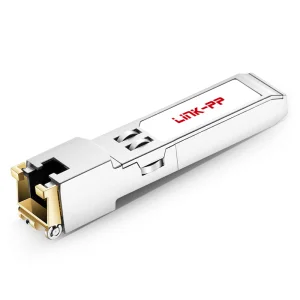
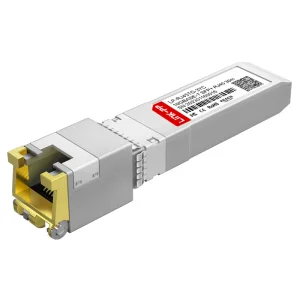
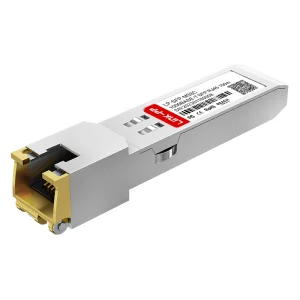
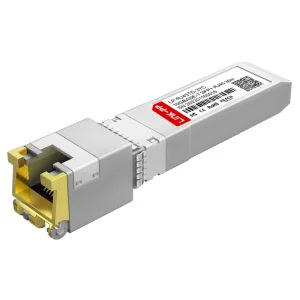
Optimized physical-layer copper connectivity for server rooms, local distribution nodes, and overwater bungalows.
The Republic of Maldives presents a highly unique geographical and commercial landscape for network engineering. Comprising 26 natural atolls and over 1,000 coral islands, establishing a cohesive network fabric requires a highly specialized mix of fiber-optic backbones and localized copper distributions.
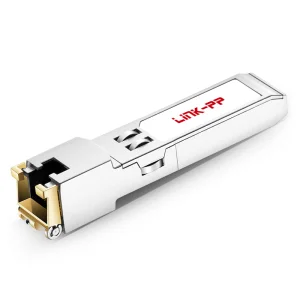
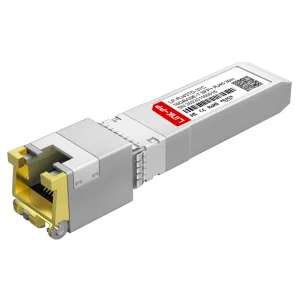
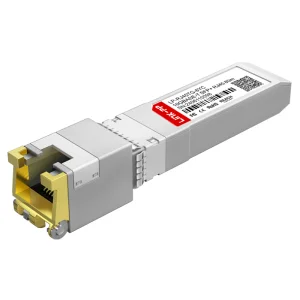
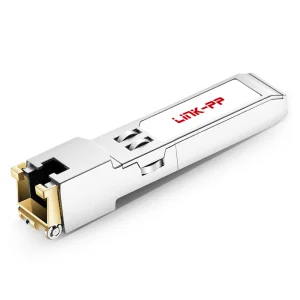
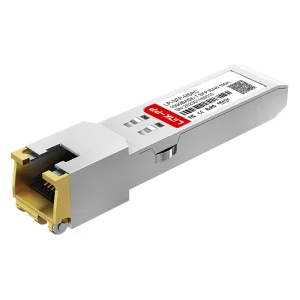
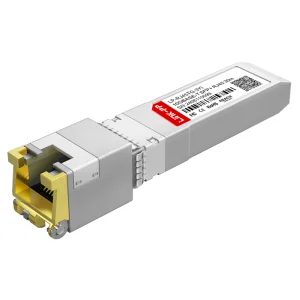
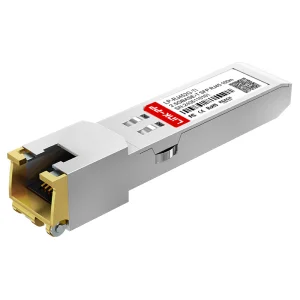
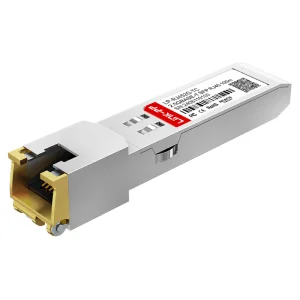
For high-end luxury resorts, municipal offices, and local telecom nodes operated by carriers like Dhiraagu and Ooredoo, fiber cables bridge the long distances between islands. However, once the connection reaches the local distribution frames (MDF/IDF) in resorts or corporate buildings, RJ45 Copper SFP Transceivers act as the vital translator, converting high-speed optical signals back to standard Cat6/Cat6A copper cables.
This hybrid approach is essential for powering high-bandwidth localized endpoints, including Wi-Fi 6/7 access points, 4K security camera feeds across overwater jetties, and Point of Sale (POS) terminals in beachfront villas, without requiring expensive optical-to-electrical converters.
Procuring network equipment for Maldivian infrastructure comes with strict budget limits, tight logistics windows, and the necessity of immediate hardware compatibility. By procuring directly from LumoWave—a tier-one Chinese optical transceiver manufacturer with a 320,000㎡ modern manufacturing facility—buyers secure a combination of production capacity, technological flexibility, and cost efficiency that localized distributors cannot provide:
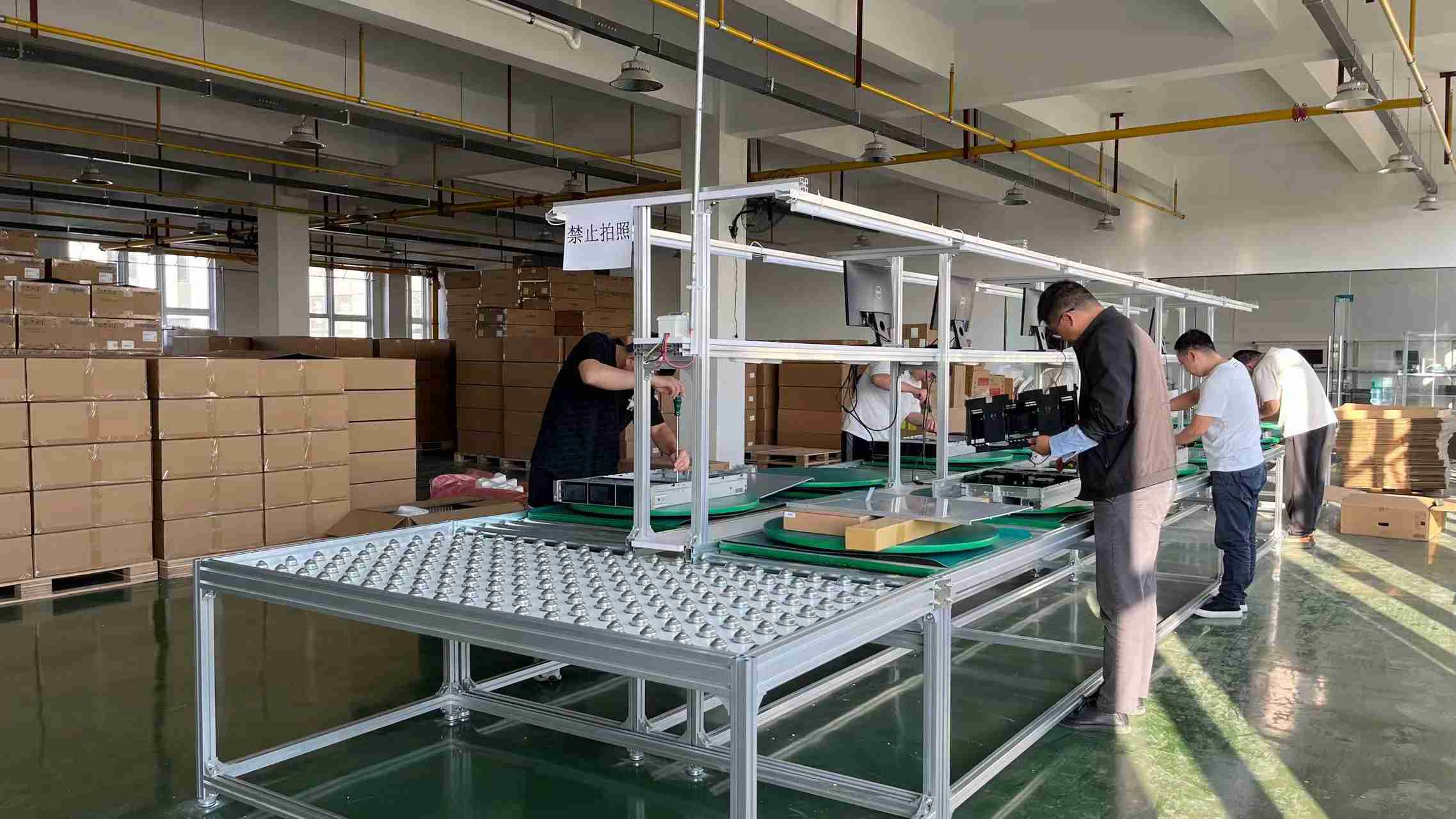
Founded in 2016, LumoWave has spent over a decade cultivating its reputation as a trusted manufacturing partner. Under our registered brand, we manage every step of the optical and copper module assembly. Our commitment to reliability is backed by a 45-member Quality Control team carrying out a comprehensive testing protocol:
Every PHY microchip, PCB, and gold-plated RJ45 port undergoes strict component testing to ensure compliance with strict electrical and physical tolerances.
2. In-Process Quality Control (IPQC)Automated optical inspection (AOI) and assembly line checks monitor the precision soldering of all surface mount components.
3. Final Product Testing (FQC)All completed SFP modules undergo optical power verification, bit error rate (BER) checks, wavelength accuracy testing, thermal stress cycling, and real-switch compatibility testing.
With an annual export revenue of $12 million and active clients in North America, Europe, Southeast Asia, and the Middle East, our logistics processes are highly optimized. We manage all export paperwork, compliance certificates (RoHS, CE, FCC), and custom clearances to ensure a smooth delivery to Male International Airport or Male Seaport.
Take an inside look at our state-of-the-art production environments, advanced test benches, and automated packaging lines:
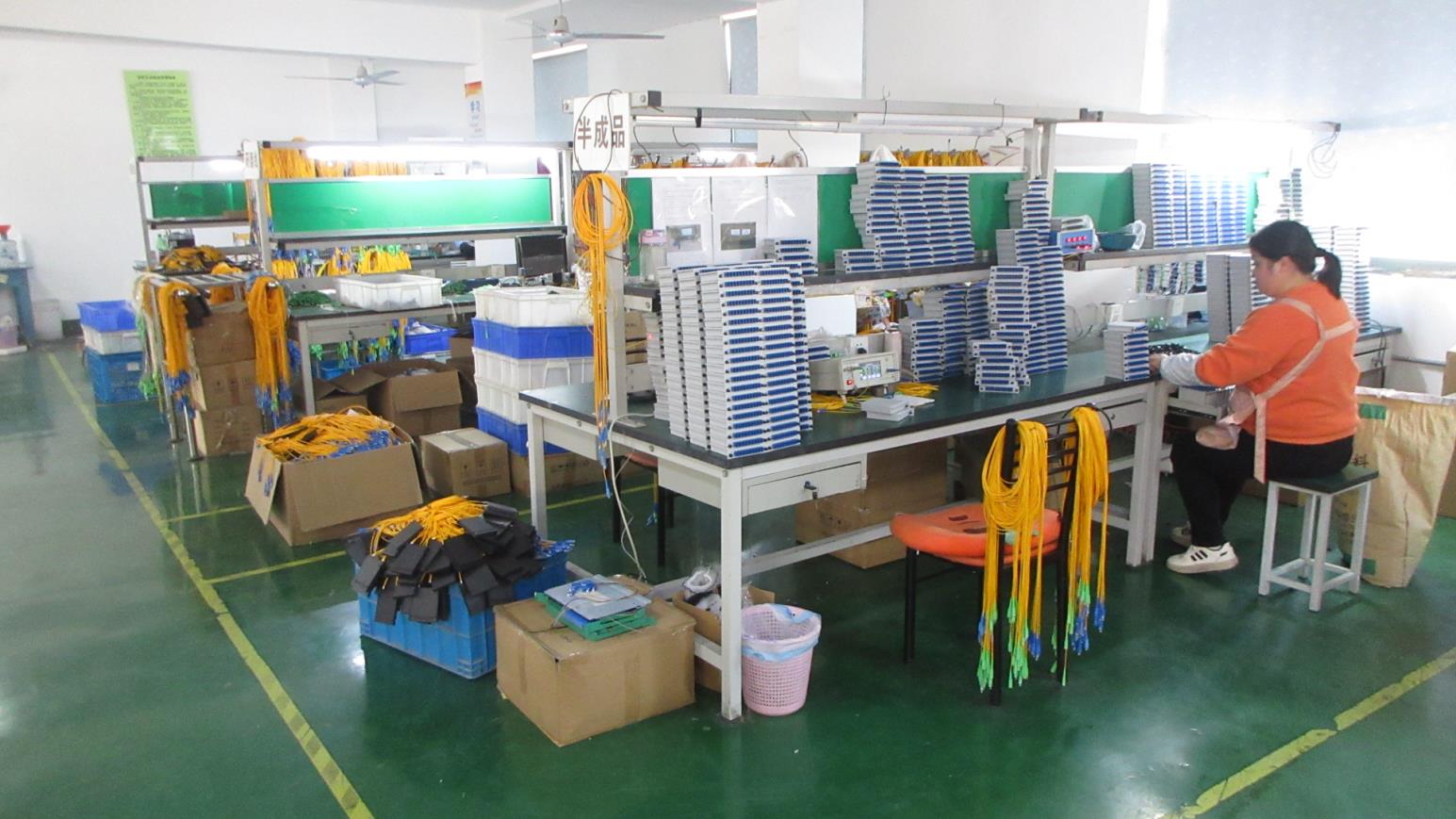
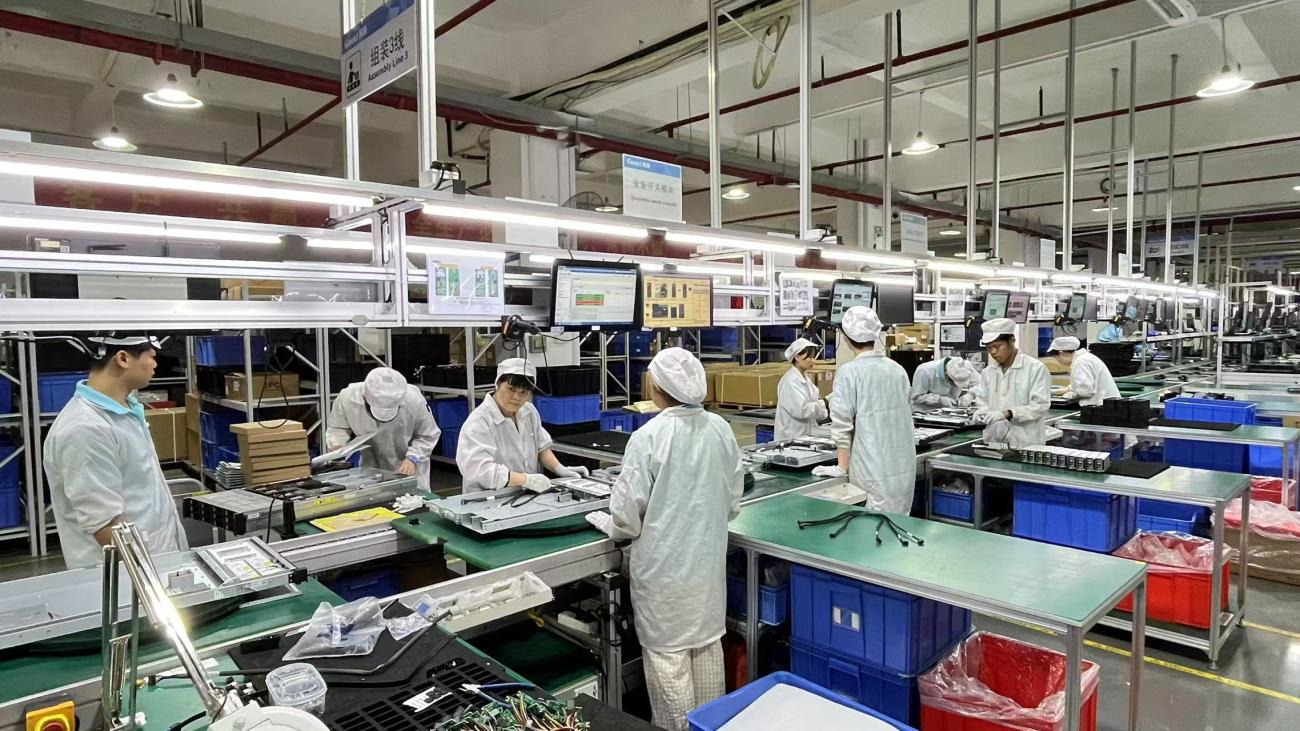

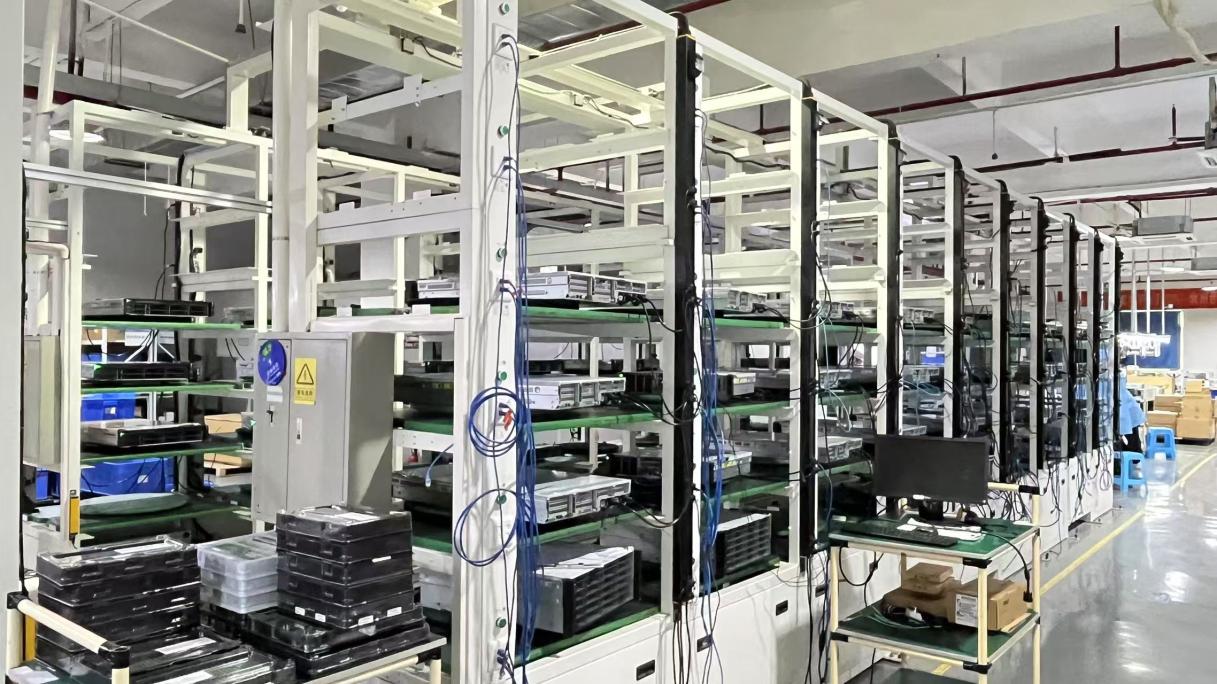

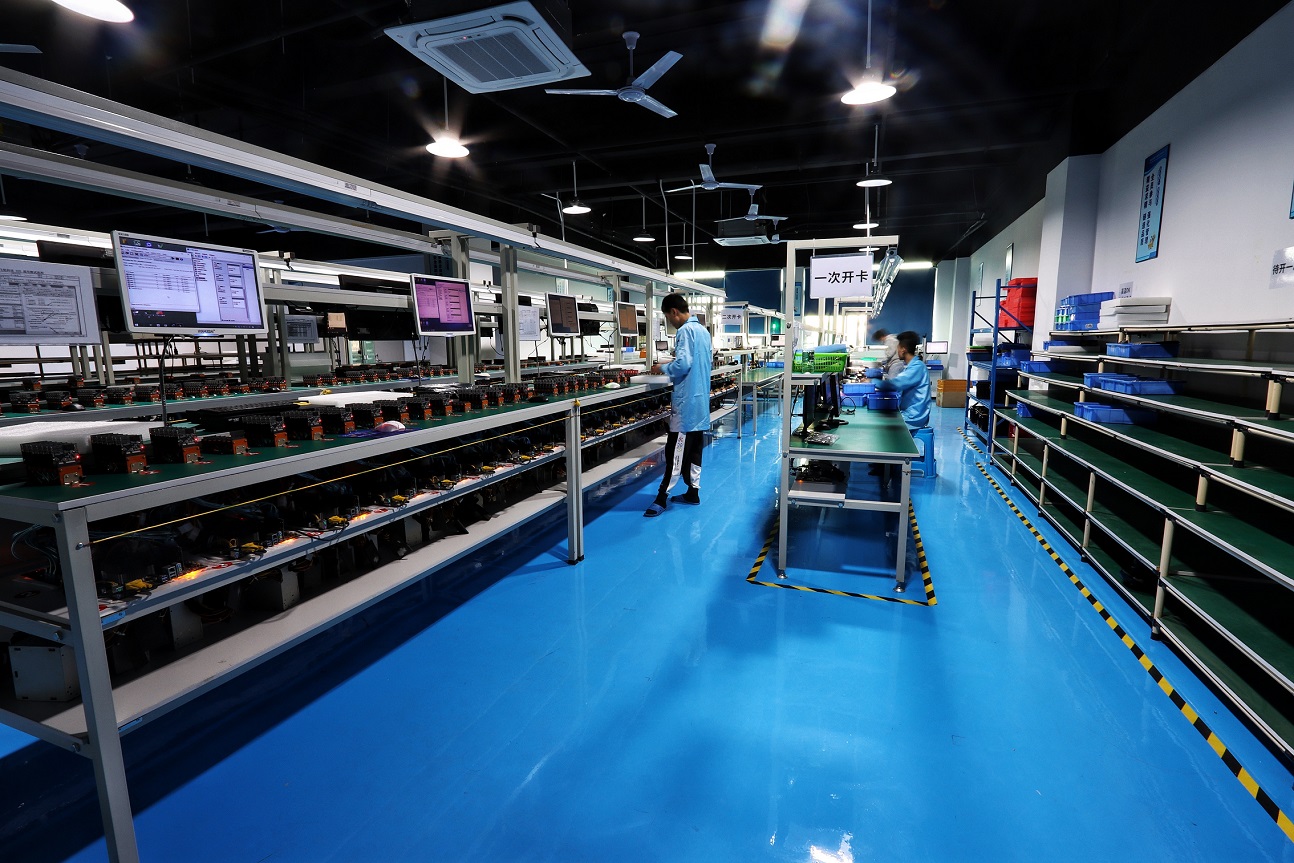
Explore our full line of gigabit, multi-gigabit, and 10G copper transceivers, designed for global network standards.
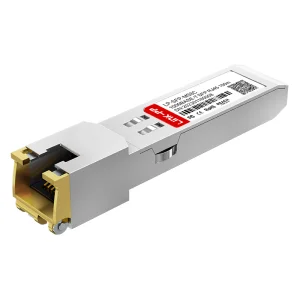
As networks face ever-increasing traffic from ultra-high-definition streaming, smart hospitality management, and expanding IoT ecosystems, the demand on local copper interconnects has evolved. High-speed, short-distance runs that historically utilized gigabit connections are shifting rapidly toward 2.5G, 5G, and 10G network speeds. This upgrade cycle has highlighted three major trends in transceiver architecture:
Modern Wi-Fi 6 and Wi-Fi 7 access points exceed 1 Gbps wireless throughput. Running these endpoints on traditional 1G copper ports creates localized performance bottlenecks. Purchasing 2.5GBASE-T and 5GBASE-T RJ45 SFP transceivers allows network administrators to run high-speed traffic over existing Cat5e and Cat6 cabling, delaying expensive infrastructure rewrites and protecting initial investments.
Deploying ten or more standard 10GBASE-T SFP+ copper modules can overload a switch's power supply and generate localized hot spots, leading to packet drops. Modern R&D focus is directed toward reducing transceiver power draw. LumoWave's latest-generation modules operate on highly optimized PHY chipsets, reducing thermal emission and ensuring stable network performance in enclosed, hot tropical environments like the Maldives.
System integrators often mix equipment brands (e.g., using a Cisco core switch with Aruba distribution nodes and Ubiquiti edge points). Procuring modules coded specifically to trick host systems into recognizing third-party hardware is a key part of modern procurement. LumoWave's custom EEPROM coding writes precise vendor metadata to guarantee plug-and-play operation across multi-brand environments, preventing port lockdown issues.
Highly detailed technical answers addressing common challenges in marine, resort, and enterprise network design.
Contact LumoWave's sales and engineering teams today to receive detailed technical specifications, project compatibility audits, and tailored bulk pricing for Maldives resort or telecom developments.
Send Inquiry Now LumoWave