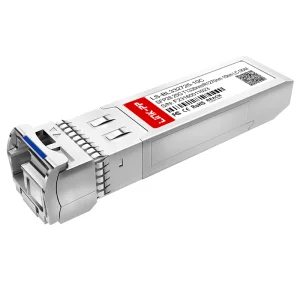
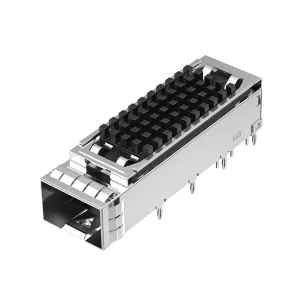
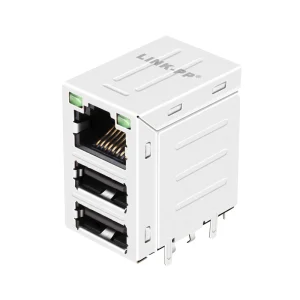
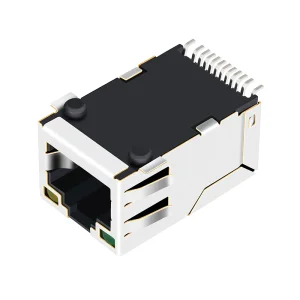
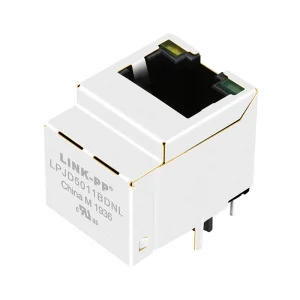
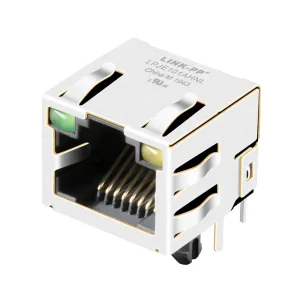
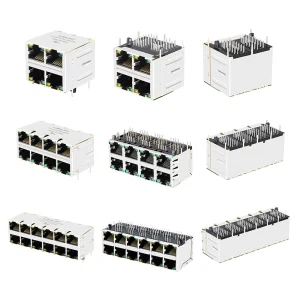
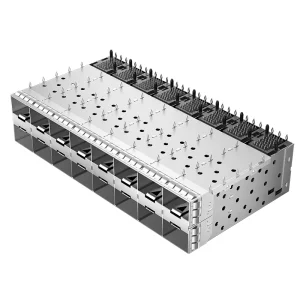
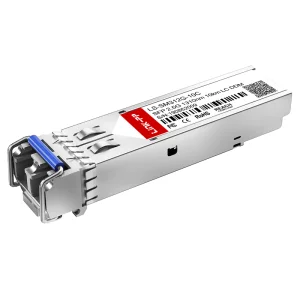
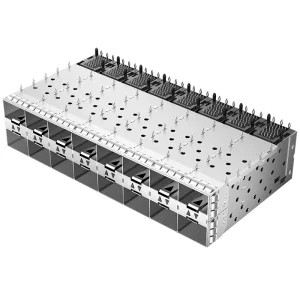
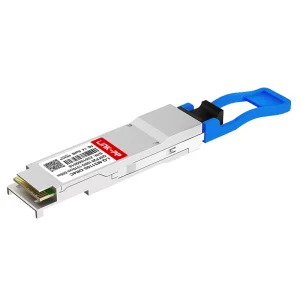
Direct supply of high-precision RJ45 modules, integrated magnetic connectors, and optical transceivers
Integrating Optical and Copper Interfaces in Enterprise Networking and Cloud Datacenters
In modern telecommunications and enterprise networking, the physical layer serves as the critical backbone for data transmission. With the explosive rise of machine learning, cloud-scale compute clusters, and high-frequency trading networks, the demand for reliable, high-density physical interfaces has skyrocketed. System architects are continuously balancing cost, heat dissipation, and signal integrity when choosing between copper interface solutions, such as the RJ45 connectivity module, and optical interface modules like SFP, QSFP, and QSFP-DD.
As a leading pioneer in high-speed optical and physical interface solutions, LumoWave Optical Technology Co., Ltd. (operating under the global brand LumoWave) is uniquely positioned to address these demands. While LumoWave has spent over a decade establishing its expertise in high-speed active optical transceivers (ranging from 10G SFP+ to 800G QSFP-DD), our design and manufacturing prowess extends to the crucial mechanical and passive shielding interfaces that bind these systems together. This includes state-of-the-art TE-compatible SFP cages, vertical magnetic RJ45 connectors, and high-density PCB stacked integrated modules. This whitepaper analyzes why China's manufacturing ecosystem, combined with rigorous testing and design execution, represents the global gold standard for physical networking hardware.
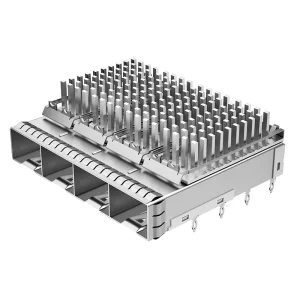
Next-generation SFP and RJ45 setups require advanced thermal management. Heat sinks built directly into SFP+ cages and copper heat conduction pathways help maintain chip temperature stability and prolong hardware life.
Integrated magnetic modules suppress electromagnetic interference (EMI) and radio frequency interference (RFI) at the physical port level, ensuring minimal bit error rates (BER) and maximum throughput.
Robust multi-port shielding architectures, featuring press-fit pins and multi-point grounding tabs, ensure structural integrity and grounding protection during high-frequency insertion cycles.
Strategic structural advantages, raw material integration, and scalable technological leadership
Global procurement teams targeting network hardware components are choosing Chinese factories, and for good reasons. The competitive edge of Chinese manufacturers extends far beyond lower labor costs; it lies in the density of the supply chain, precision tooling capabilities, and the speed at which prototype ideas are converted into mass-market products. China's manufacturing clusters in Guangdong, Jiangsu, and Zhejiang house the entire upstream component landscape—ranging from high-quality phosphor bronze alloy suppliers and specialized tooling workshops to polymer extrusion plants.
LumoWave represents this apex of industrial capabilities. Founded in 2016, the company operates a massive, state-of-the-art production facility encompassing 320,000㎡. This massive footprint enables vertical integration: raw materials enter the facility, and finished, rigorously tested optical transceivers and RJ45 modules exit. Key reasons why global system integrators partner with China-based leaders like LumoWave include:
Progressive die stamping and precision injection molding machines allow for dimensional tolerances within ±0.02mm, ensuring compatibility with standard telecom enclosures.
From custom plating thickness (e.g., 50u" gold plating on contact points to resist oxidation) to custom layout configurations like 2x8 stacked cages.
With a powerhouse team of 85 dedicated engineers, LumoWave engineered and commercialized over 120 new designs last year, matching the rapid cycles of global networking standard updates.
Proximity to deepwater ports and major international airports reduces shipping transit times and ensures stable transport networks to North America, Europe, and the Middle East.
Decoding the electro-magnetic and mechanical engineering principles behind reliable signal routing
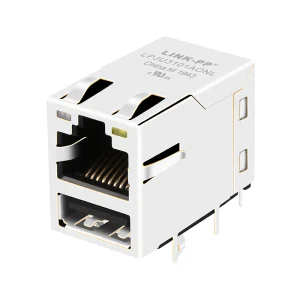
An RJ45 modular jack is no longer a simple mechanical plastic socket. In Gigabit and Multi-Gigabit networks (such as 2.5G, 5G, and 10G Base-T systems), RJ45 connectors are transformed into Integrated Connector Modules (ICMs) or "MagJacks." These devices integrate discrete magnetic components—such as isolation transformers, common-mode chokes, and Bob Smith termination resistors—inside the RJ45 metal shield. This integration delivers crucial benefits:
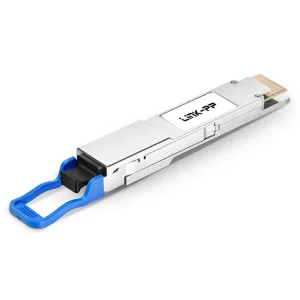
For fiber optic paths, active transceivers require mechanical housings that provide both electrical grounding and structural support. This is where SFP+ and QSFP cages come into play. A typical through-hole press-fit SFP+ cage, such as a TE-compatible replacement, features multiple grounding pins to make solid contact with the host PCB's ground plane. It also features EMI shielding gaskets around the bezel interface to prevent radio frequency energy from escaping the chassis. When high-power transceivers are used (such as 100G or 400G QSFP modules), these cages are fitted with copper or aluminum heat sinks to draw thermal energy away from the transceiver optoelectronics, maintaining optimal laser performance and wavelength stability.
LumoWave's product line bridges these two worlds. By supplying both high-speed optical transceivers (like SFP28 25G BiDi and QSFP28 100G) and the companion mechanical interconnects (including multi-port stacked magnetic jacks and TE-replacement SFP cages), we provide hardware developers with an end-to-end physical interface partner. Our products are fully tested for interoperability, shielding performance, and mechanical durability, preventing signal degradation at the physical connection boundaries.
Tailored physical layer connectivity architectures for diverse application scenarios
For high-density computing clusters, maximizing port density is critical. LumoWave's stacked multi-port SFP+ cages and QSFP-DD solutions enable network equipment manufacturers to fit up to 48 ports in a single 1RU chassis. This optimization reduces the data center's spatial and carbon footprint, while integrated heat sinks ensure optimal cooling.
Factory environments are plagued by electrical noise, vibrations, and extreme temperatures. LumoWave's ruggedized vertical RJ45 jacks with built-in LEDs and SMT (Surface Mount Technology) RJ45 connectors are designed for automated pick-and-place assembly, offering extreme mechanical resistance to shock and vibration.
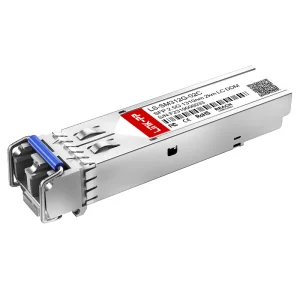
Carrier networks demand components with a long service life. LumoWave's Bidirectional (BiDi) SFP28 25G and 2.5G SFP transceivers allow telecom operators to double fiber capacity by using a single optical strand for both transmission and reception, resulting in substantial cost savings for metro and edge networks.
How LumoWave maintains a defect-free shipping record across a global supply chain
To qualify as a Tier-1 OEM/ODM supplier for global telecom operators and server integrators, a manufacturer must demonstrate strict compliance with international quality standards. Quality cannot be inspected into a product; it must be built into the process. LumoWave employs a massive, dedicated quality assurance department consisting of 45 specialized quality control personnel who oversee the entire lifecycle of every connector, cage, and optical transceiver.
Every batch of phosphor bronze, plastic resin, PCB board, and laser diode undergoes strict inspections for dimensions, material purity, and RoHS compliance before entering the assembly floor.
Automated optical inspection (AOI), laser measurements, and real-time process monitoring ensure that the crimping, soldering, and press-fit assembly stages maintain tight mechanical tolerances.
All finished optical modules undergo 100% loopback testing, bit error rate (BER) checks, spectral analysis, and optical power verification. Connectors are subjected to strict mating cycle tests and physical stresses.
LumoWave's on-site laboratories carry out extensive environmental stress screenings. These include: Thermal Shock Testing (rapid cycling between extreme cold and heat), High-Temperature Storage & Operating Life (HTOL), Salt Spray Testing (to assess corrosion resistance of nickel and gold platings on metal cages and shielding), and Vibration Resistance. These protocols guarantee that our products meet or exceed the performance benchmarks defined by Telcordia GR-1217-CORE and IEEE standards.
Navigating the complexities of custom packaging, technical compatibility, and logistics
For international procurement directors, supply chain resilience is a top priority. A single bottleneck in physical layer interconnects can stall high-value system integrations. Partnering with a reliable factory like LumoWave offers key advantages that simplify procurement workflows:
We program our optical transceivers with custom vendor codes (e.g., Cisco, Juniper, Arista, HP, Dell) to ensure seamless compatibility with host network switches and router OS platforms right out of the box.
We provide full white-label and private-label packaging options, including customized barcoding, serial numbers, and custom-molded blister trays to protect fine leads during international shipping.
By coordinating with more than 1,200 trusted upstream and downstream supply partners, LumoWave maintains a steady supply of components even during global shortages, keeping projects on schedule.
Direct technical answers from LumoWave's Engineering & Operations Team
Yes. Our RJ45 modular jacks, SFP, SFP+, and QSFP cages are designed to comply with MSA (Multi-Source Agreement) standards and industry-standard foot prints. They serve as direct form-fit-and-function drop-in replacements for parts from major brands like TE Connectivity, Molex, and Amphenol, facilitating easy design migration.
We provide full customization capabilities. This includes custom port layouts (e.g., 2x1, 2x4, 2x8 stacked configurations), variations in contact plating thickness (from 15u" to 50u" gold plating), diverse thermal solutions like custom heat sinks and lightpipe configurations, and the option to add or remove internal transformer magnetic configurations to match your physical layer (PHY) chip specifications.
We operate under a rigorous quality management system certified by ISO9001 and ISO14001. We maintain a staff of 45 dedicated quality control engineers. Our testing program runs 100% automated optical inspections (AOI) on lines, complete parametric electrical testing on magnetic modules, and BER/optical power testing on active transceivers before shipping. Reliability screening is further supported by on-site aging chambers, thermal shock rigs, and salt-fog cabinets.
Yes. Our engineering division programs the EEPROM of SFP, SFP28, QSFP28, and QSFP-DD modules with the appropriate vendor codes, checksums, and parameters. This ensures seamless plug-and-play operation with systems from Cisco, HP, Arista, Juniper, and other major networking vendors without throwing port lockout errors.
With our modern 320,000㎡ factory footprint and automated production lines, we have a highly scalable manufacturing capacity. Standard configuration RJ45 connectors and SFP cages typically have a lead time of 2-3 weeks, while complex optical transceivers and large OEM custom production runs are delivered within 4-6 weeks. We work closely with our network of over 1,200 logistics and raw material partners to optimize delivery schedules.
Explore our high-performance networking line, designed for stability and high data throughput
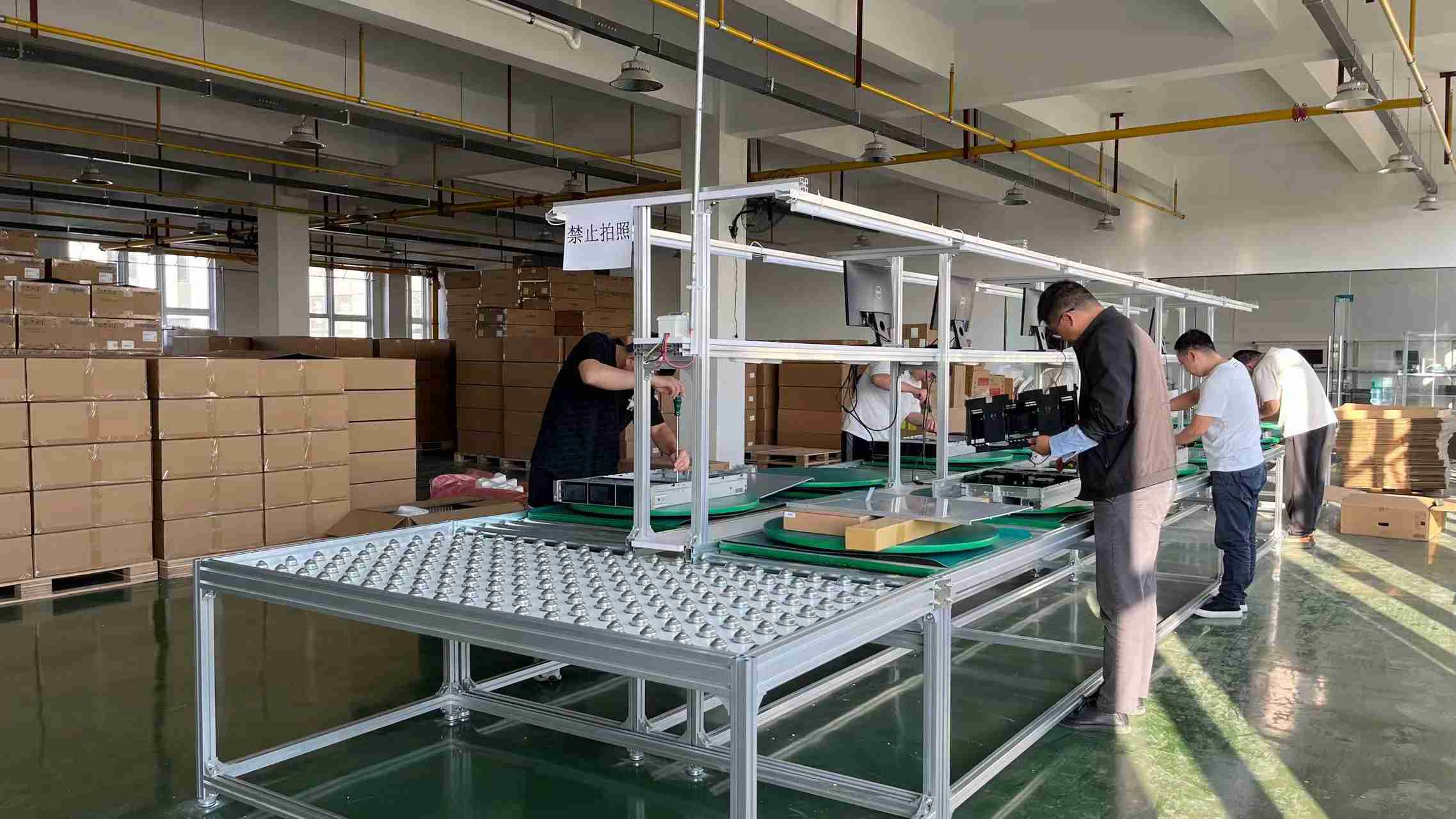
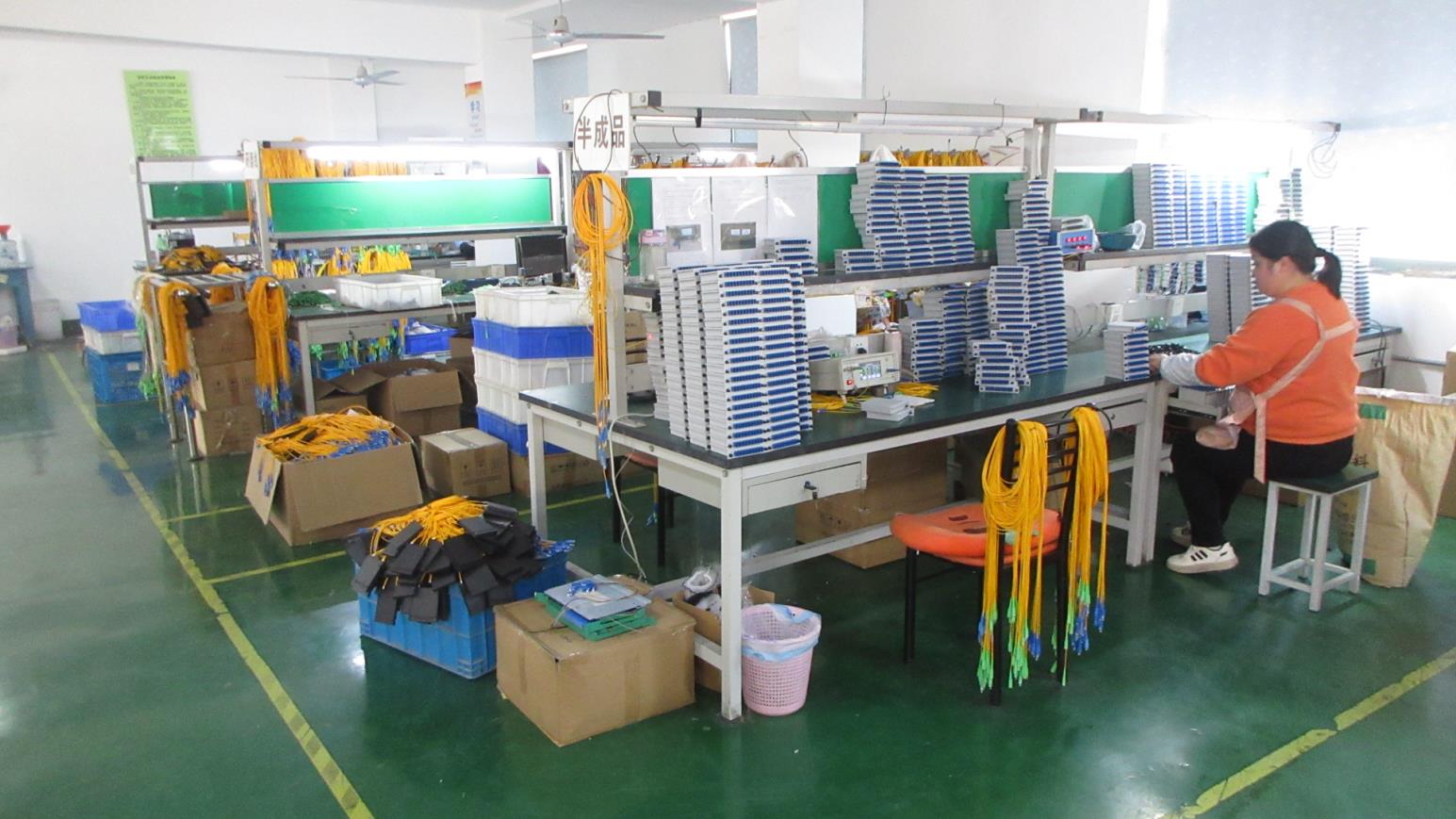
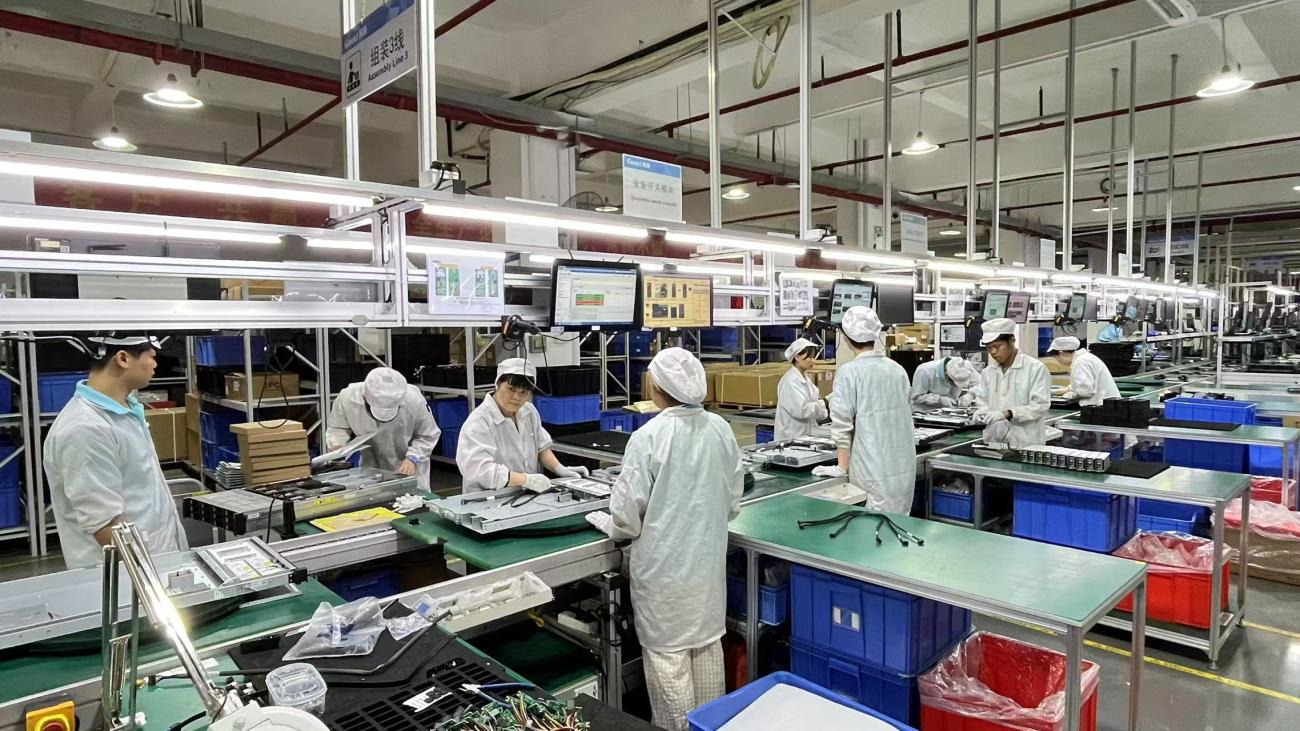
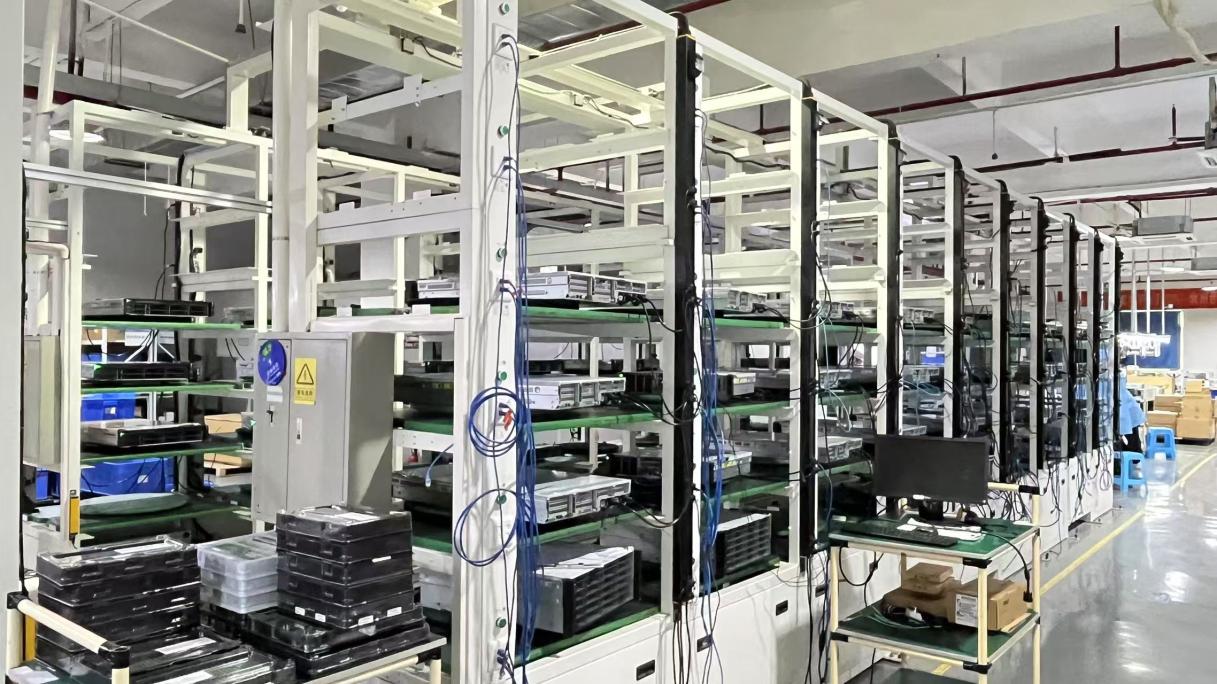
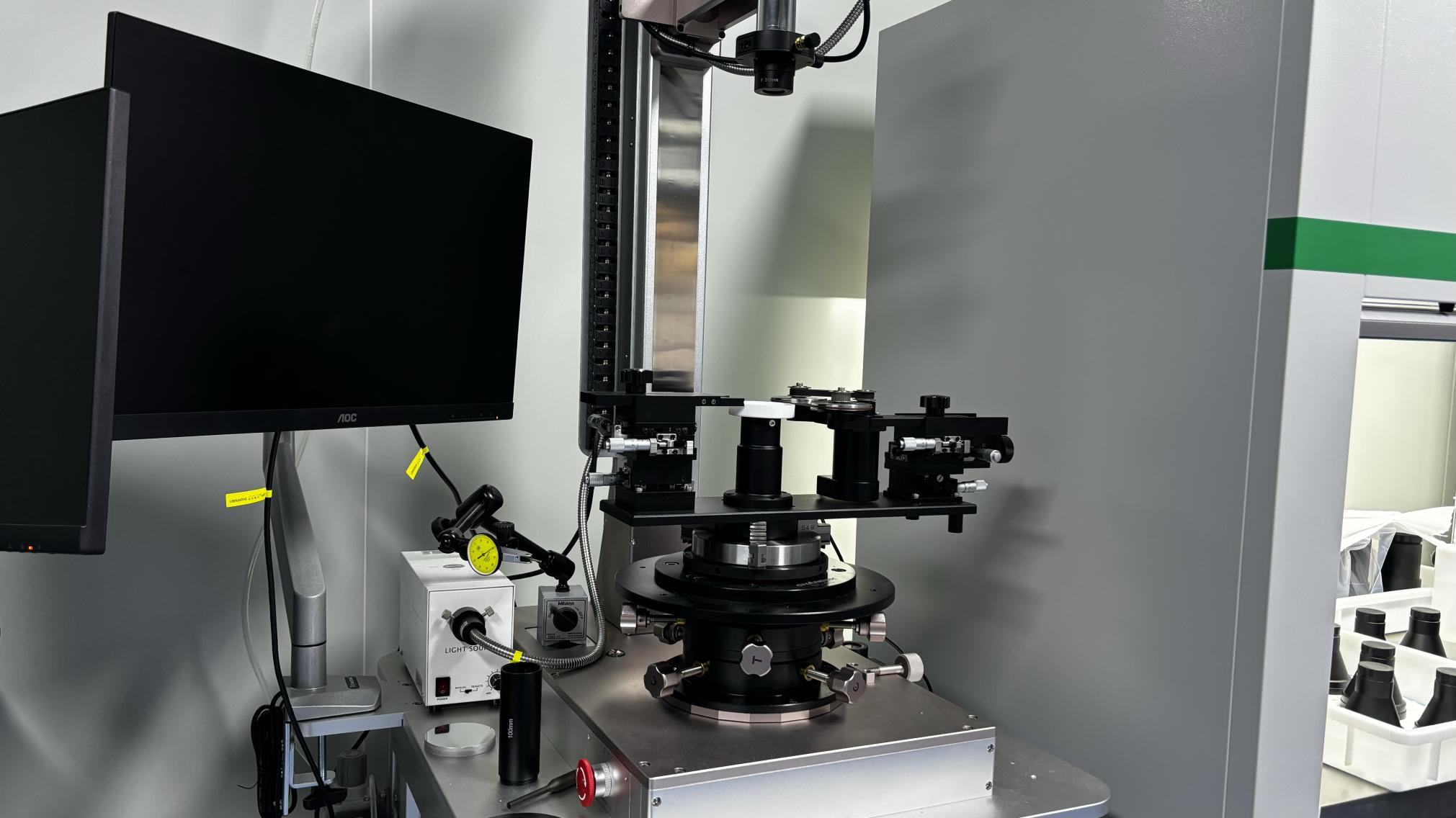
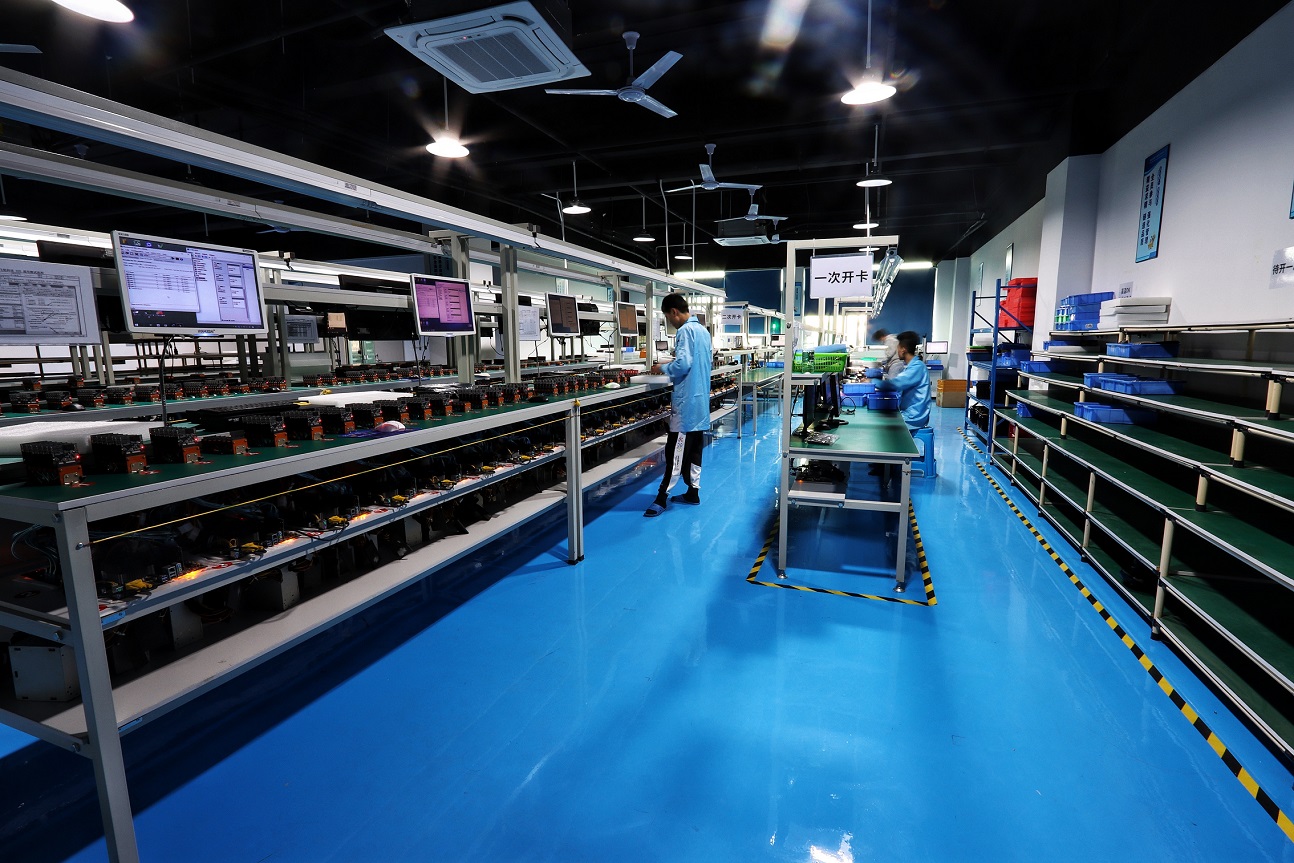
Inside our 320,000㎡ smart manufacturing facility and engineering labs in China
Explore the manufacturing footprint of LumoWave. Our facility houses high-precision CNC machinery, fully automated assembly lines, high-speed SMT setups, cleanrooms for active optical component packaging, and our specialized testing laboratory.

 LumoWave