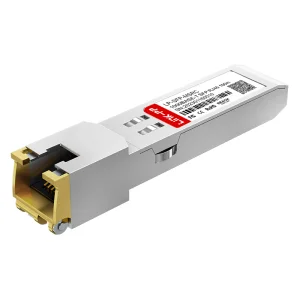
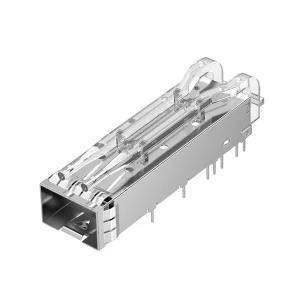
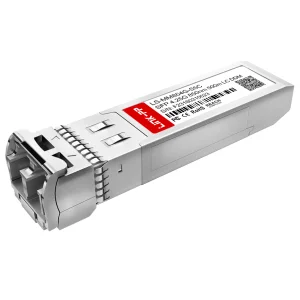
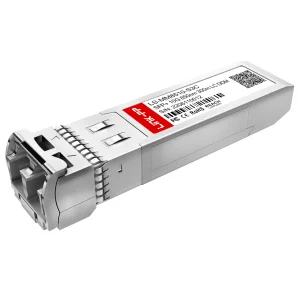
Explore our top-performing optical modules, rugged SFP cages, and industrial RJ45 connection interfaces engineered for long-lifecycle environments.
Global procurement teams in industries such as telecommunications, oil & gas, transportation, and automation face compounding challenges. Beyond raw unit prices, procurement officers must balance system interoperability, multi-vendor support, extreme thermal tolerances, and long-term hardware availability.
In high-stakes industrial deployments, failures can cost thousands of dollars per minute. Consequently, standard commercial transceiver specifications (0°C to 70°C) fall short. True industrial-grade transceivers demand operational integrity across a wider thermal range (-40°C to 85°C), robust ESD/EMI protection, and physical ruggedness to withstand moisture and vibration.
To avoid single-source dependencies and "vendor lock-in", enterprise buyers actively seek OEM/ODM factories capable of providing multi-platform compatible coding (EEPROM adjustment) and localized compliant manufacturing partners.
Our customized OEM/ODM industrial module transceivers and interconnect products serve as the backbones for complex digital infrastructures globally.
Integrating high-speed 100G, 400G, and 800G optical modules to support massive traffic loads and ultra-low latency requirements. OEM customization allows specific power consumption limits and optimized thermal dissipation profiles for dense racks.
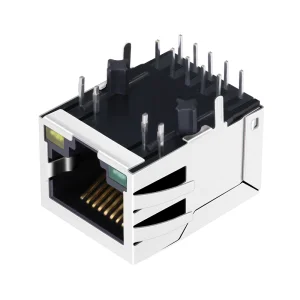
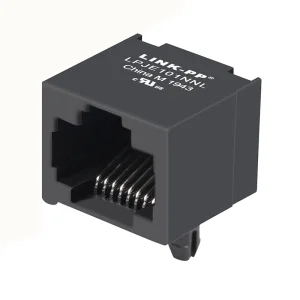
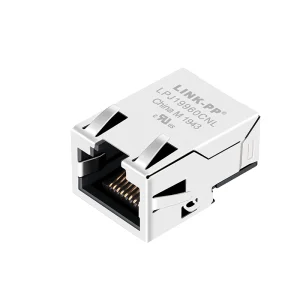
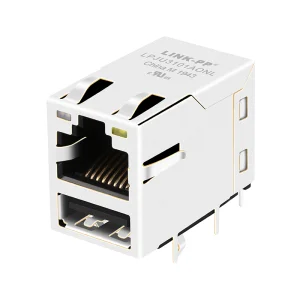
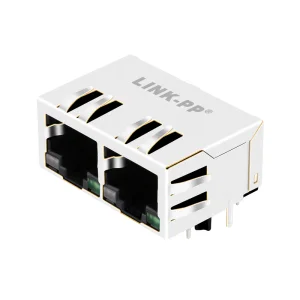
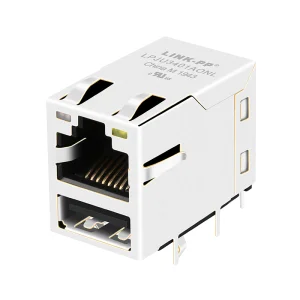
Deploying rugged copper RJ45 and low-speed SFP modules in remote power grids and processing units. These components resist electrical surges, strong magnetic interference, and extreme humidity levels found in critical factory settings.
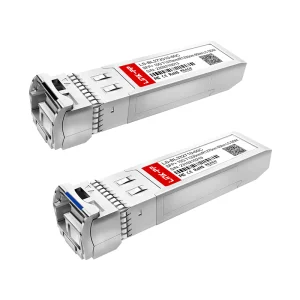
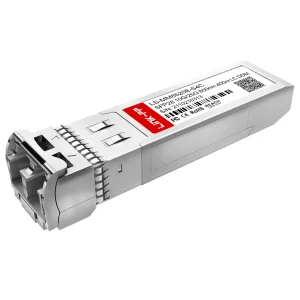
Fulfilling telecom operators' needs with high-density, multi-rate transceivers (10G/25G SFP28/100G QSFP28). Our custom modules reduce latency and handle long distances (up to 80km/120km) via single-mode fiber architectures.
Under the brand name LumoWave, we are a professional optical transceiver manufacturer specializing in high-speed fiber optic communication solutions for global data centers, telecom operators, and enterprise networking applications. We deliver stable, high-performance, and cost-effective optical modules ranging from 10G to 800G, including SFP, QSFP, QSFP-DD, and coherent transmission solutions.
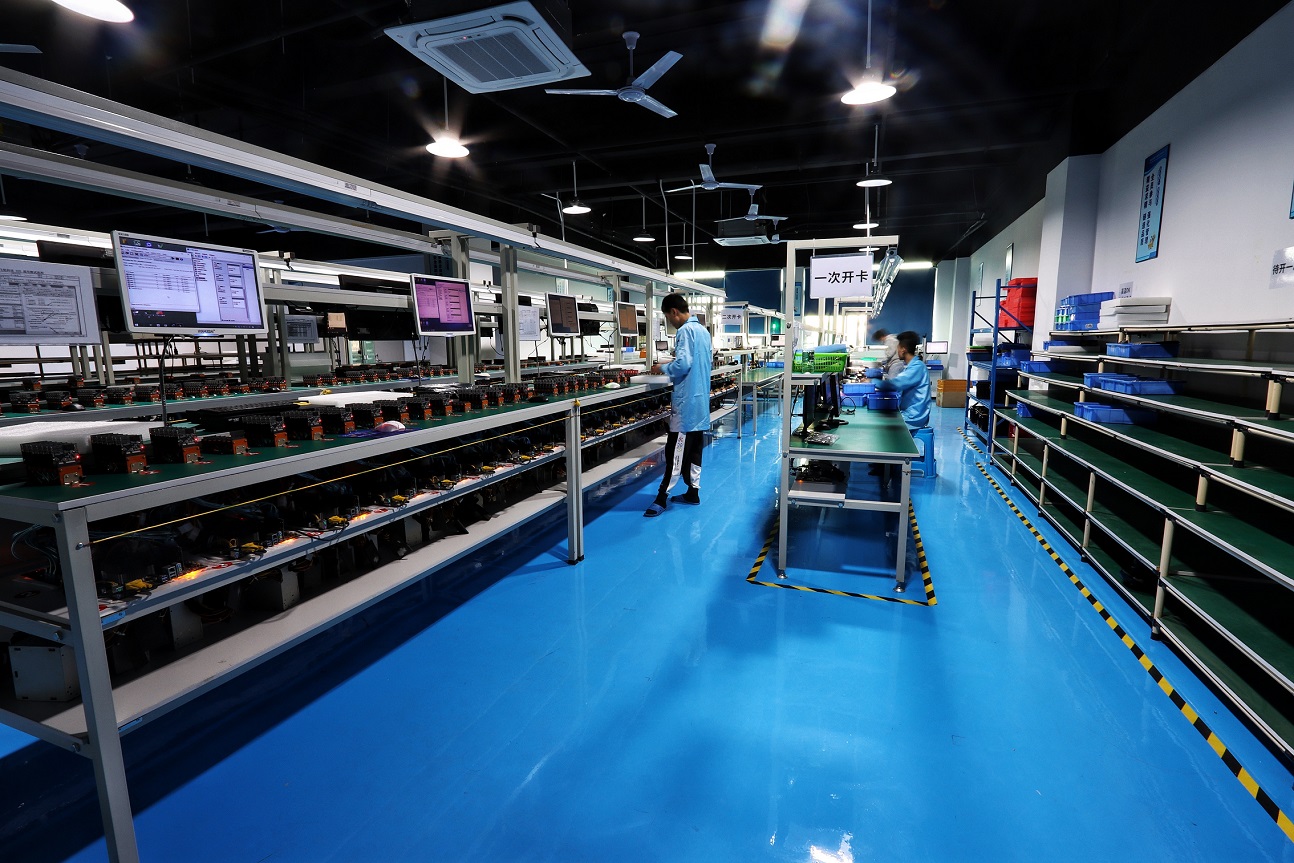
Founded in 2016, LumoWave has developed into a reliable OEM/ODM supplier with a modern production facility covering approximately 320,000㎡. We generate an annual export revenue of around $12 million, supported by 8 years of export experience and 12 years of industry expertise in optical communication technologies.
Our global supply chain ecosystem includes more than 1,200 upstream and downstream partners, enabling scalable, flexible, and robust production capabilities that keep customer lines running continuously.
Keeping pace with global network standards by investing heavily in next-generation high-speed optoelectronics.
Integrating silicon photonics platforms to drastically reduce assembly complexity, improve thermal efficiency, and lower the unit cost for high-volume 400G and 800G transceivers.
Developing CPO architectures where optical engines are directly co-packaged with switch ASICs. This reduces electrical link distances and slashes dynamic power consumption by up to 30%.
Researching future-proof coherent solutions designed to transmit over 1.6 Terabits per second per wavelength. Tailoring these designs to handle massive AI model training cluster communication demands.
Our testing labs utilize the industry's most advanced diagnostic machinery to confirm product integrity. We implement strict operational parameters so that each optical transceiver leaving our facility features high stability and durability under stressful network environments.
Advanced testing methodologies conducted by our quality control engineers include:
Rigorous assessment of laser diodes, photodetectors, transimpedance amplifiers, and PCBs.
Real-time checks during optical alignment, automated wire bonding, and laser welding steps.
Comprehensive programming validation, compatibility verification on switch platforms, and final cosmetic inspection.
Securing international commercial credibility by conforming to all relevant product compliance standards.
LumoWave hardware maintains active certifications under major regulatory systems, including CE, FCC, RoHS, REACH, UL, and TUV. This guarantees cross-border clearance and legal deployment in highly regulated zones like the EU and North America.
We supply localized Field Application Engineering (FAE) support. Our teams troubleshoot integration anomalies, perform remote firmware upgrades, and support system designs directly within North American, European, and Middle Eastern business hours.
By operating secondary logistics nodes and warehousing raw semiconductor components, we shield our clients from sudden global lead-time spikes, delivering predictable delivery window commitments.
Direct answers to the most common queries raised by systems architects, telecom network planners, and global procurement departments.
A closer look at our cleanrooms, high-speed automated packaging lines, and advanced quality assurance equipment.
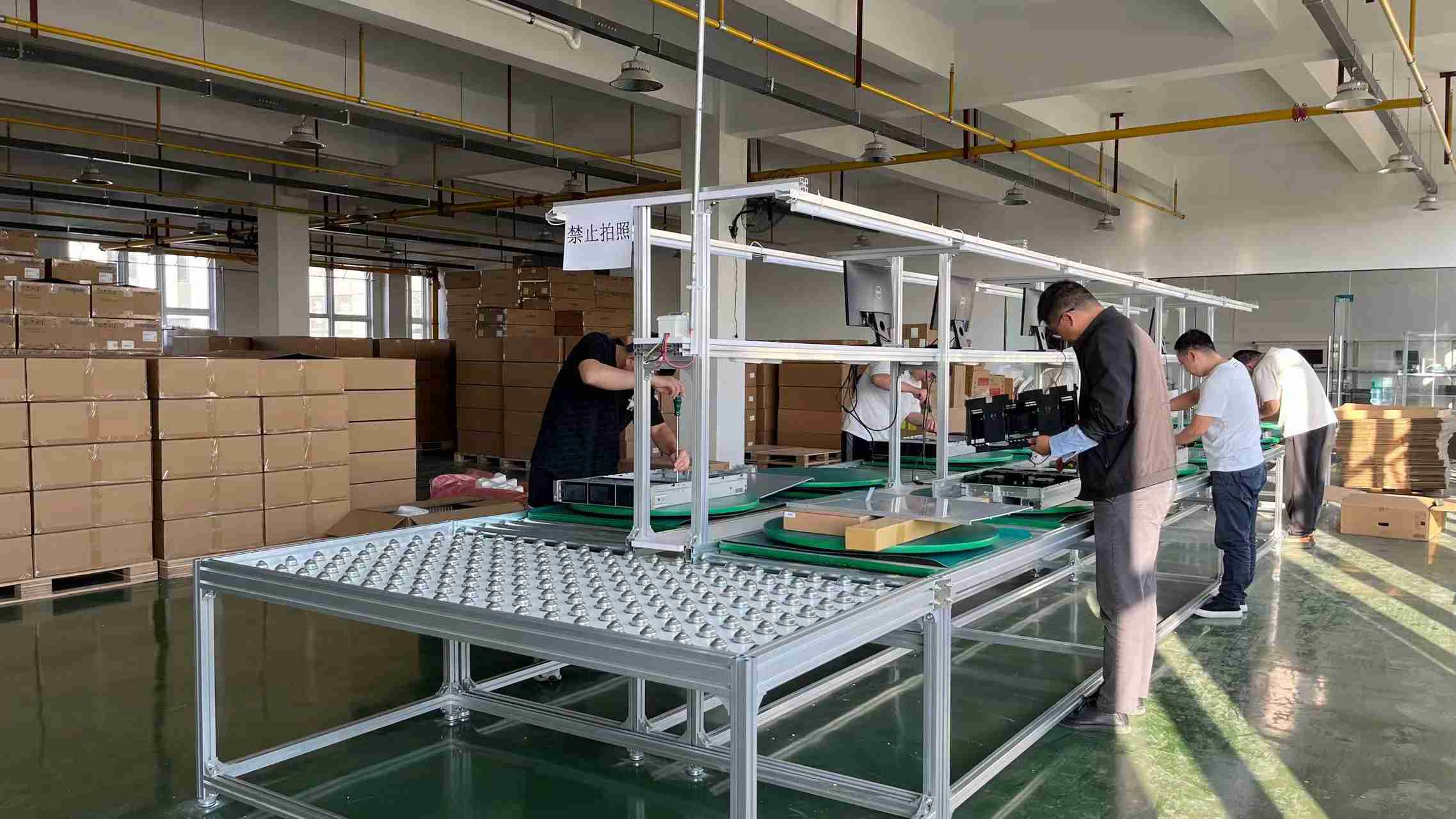
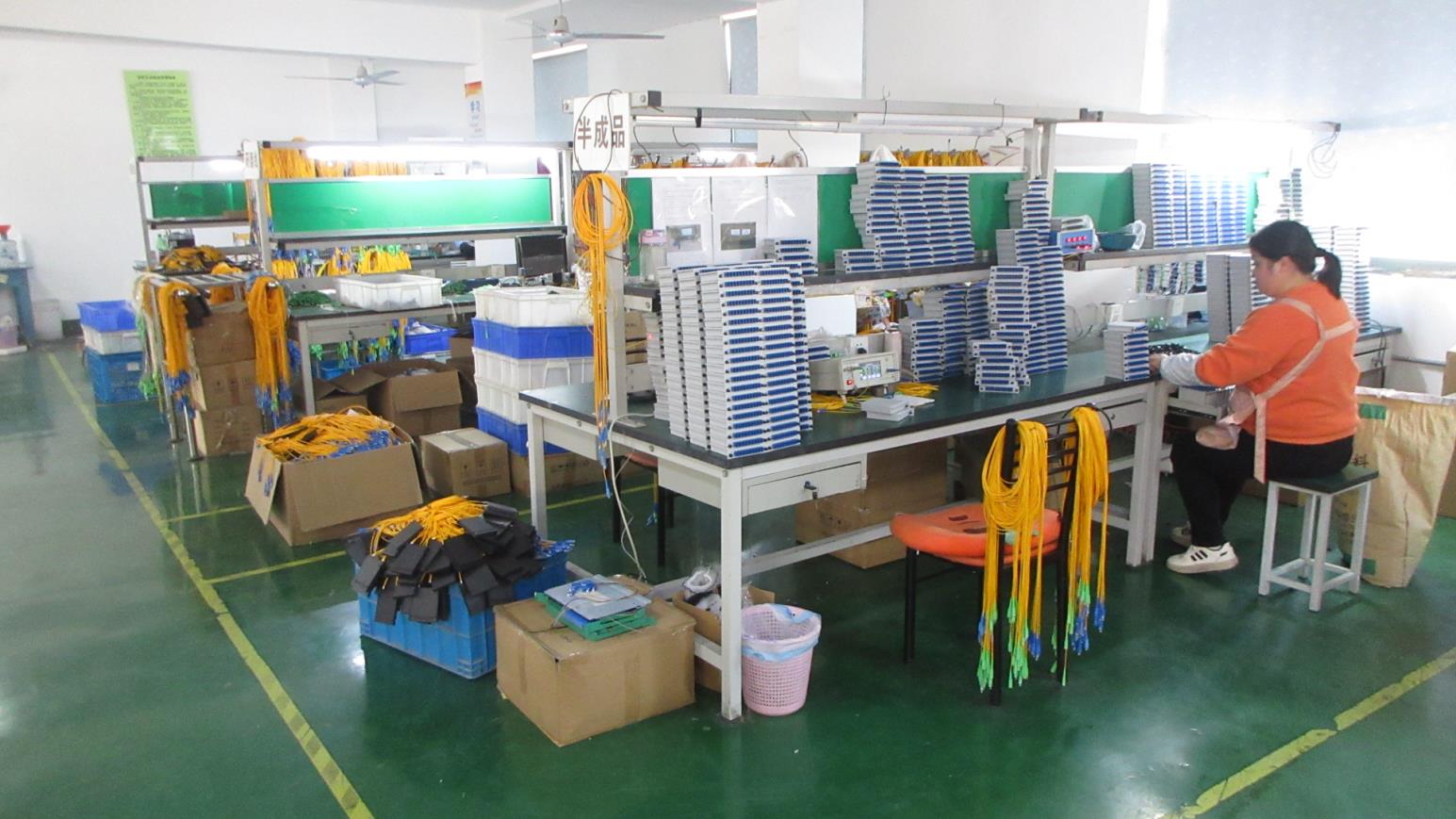


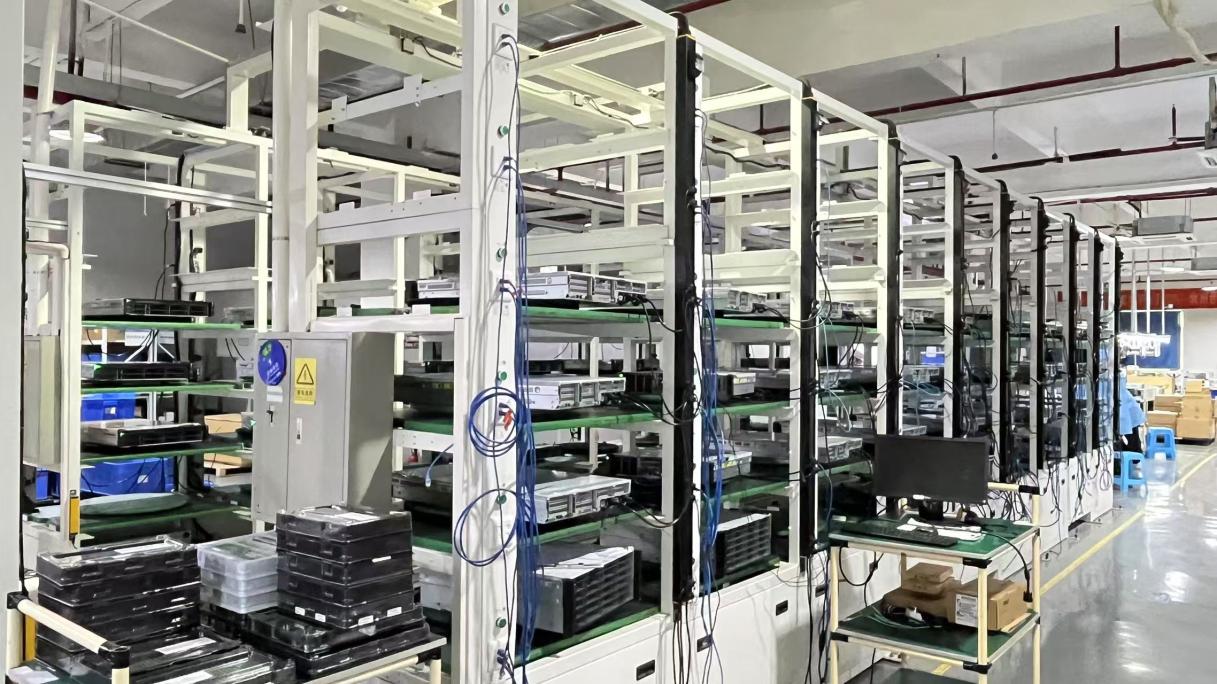
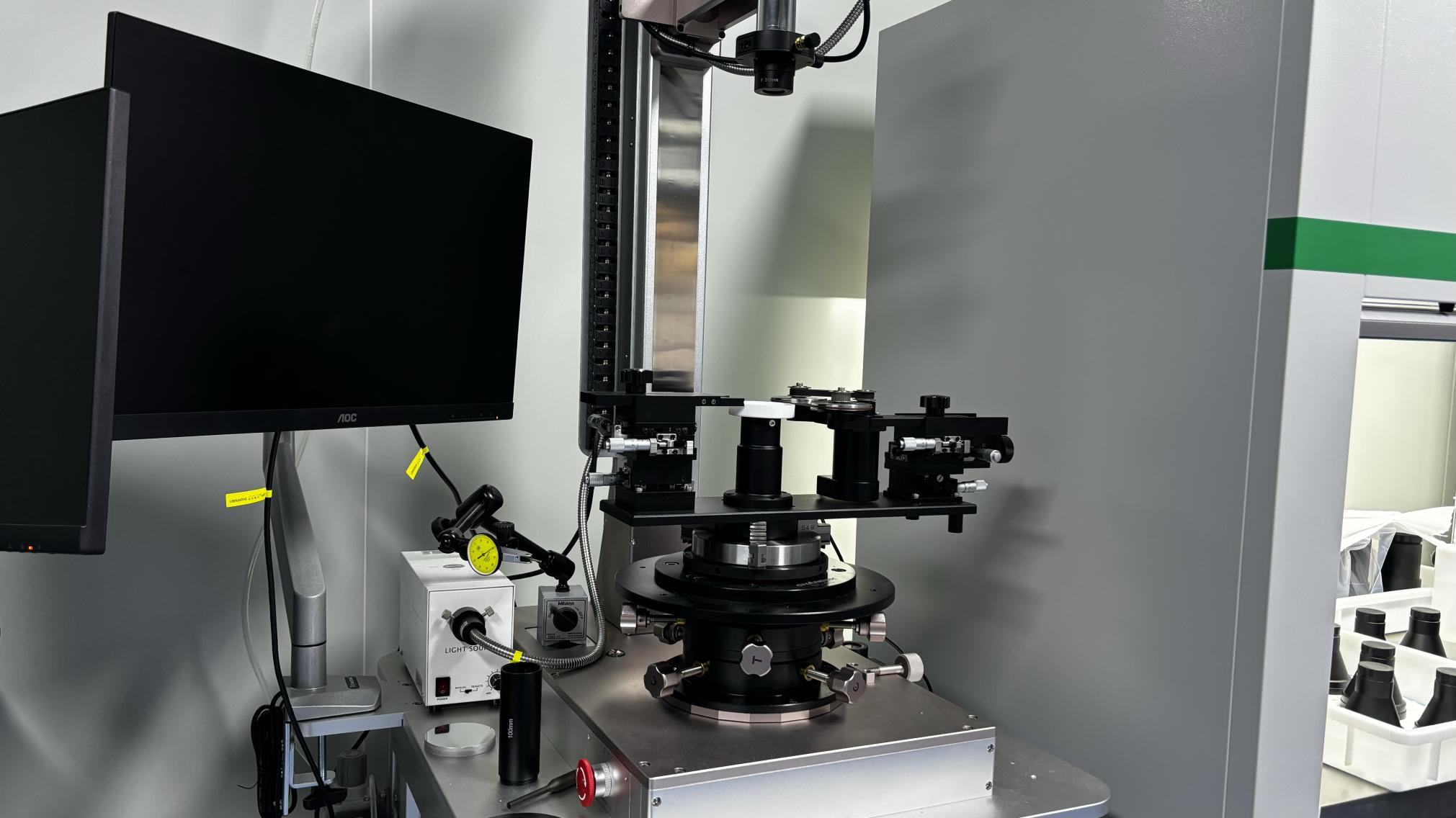
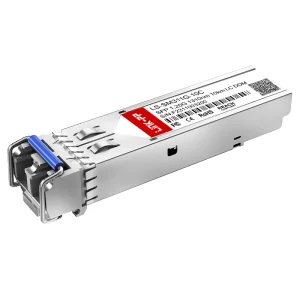
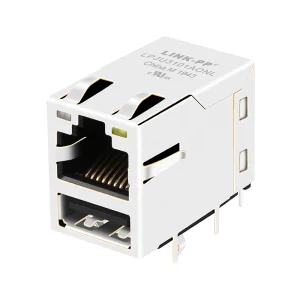
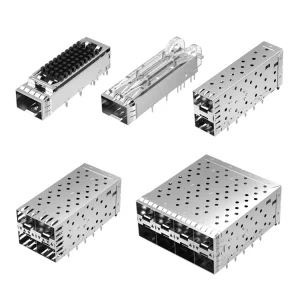
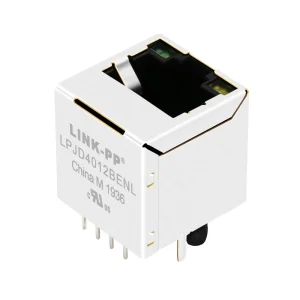
Our comprehensive line of RJ45 jacks, SFP+ cages, heat sinks, and single-mode/multi-mode transceivers.
 LumoWave