Engineered for network prototyping, carrier-grade telecom infrastructures, and high-density computing arrays.
Exploring the integration of high-bandwidth networking interfaces into rapid hardware prototyping and commercial platforms.
The networking ecosystem is undergoing a rapid transition from legacy Megabit networks to high-density interfaces ranging from 10Gb/s to 800Gb/s. Designers of Ethernet prototyping boards are adapting by integrating advanced physical layer (PHY) components, sophisticated impedance control layouts, and SFP/QSFP multi-port cages directly onto development platforms to facilitate real-time data testing.
Next-generation embedded boards increasingly combine high-performance Edge AI processors with robust Gigabit and 10-Gigabit interfaces. In industrial field deployments, these hybrid architectures require low-latency communication, which in turn demands connectors with integrated magnetics to assure signal integrity under harsh environmental conditions.
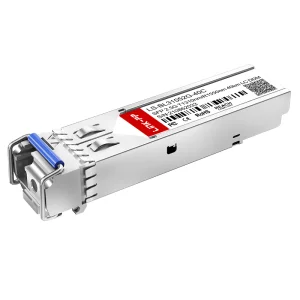
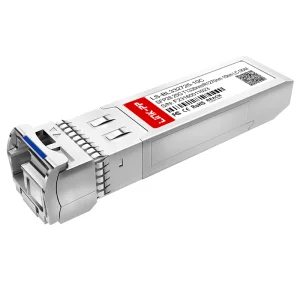
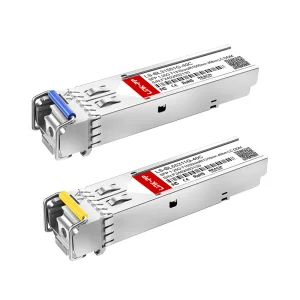
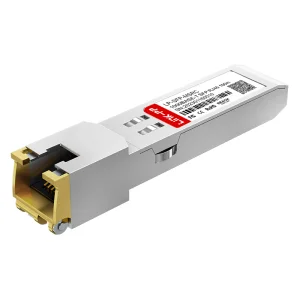
By shifting from copper media to fiber-optic links (utilizing SFP, SFP28, and QSFP modules), developers can run tests at higher distances and throughput. Designing flexible development configurations requires transceivers capable of precise wavelength tuning, digital diagnostic monitoring (DDM), and robust thermal management.
A premier OEM/ODM manufacturer delivering high-reliability connectivity and optical components worldwide.
LumoWave Optical Technology Co., Ltd. is a professional optical transceiver manufacturer specializing in high-speed fiber optic communication solutions for global data centers, telecom operators, and enterprise networking applications. Built under the brand LumoWave, the company is committed to delivering stable, high-performance, and cost-effective optical modules ranging from 10G to 800G, including SFP, QSFP, QSFP-DD, and coherent transmission solutions.
Founded in 2016, LumoWave has developed into a reliable OEM/ODM supplier with a modern production facility covering approximately 320,000㎡. The company generates an annual export revenue of around $12 million, with 8 years of export experience and 12 years of industry expertise in optical communication technologies.
With a strong international trade background, LumoWave serves major markets including North America, Europe, Southeast Asia, and the Middle East. Its supply chain ecosystem includes more than 1,200 upstream and downstream partners, supporting scalable and flexible production capabilities.
Driven by strong innovation capabilities, LumoWave has a dedicated R&D team of 85 engineers, and released approximately 120 new product designs last year, focusing on next-generation high-speed transmission technologies and energy-efficient optical solutions.
The company’s main customer base includes telecom operators, data center integrators, cloud service providers, system equipment manufacturers, and network solution providers. LumoWave also provides flexible customization options, including wavelength tuning, distance optimization, EEPROM programming, and private labeling services.
Maintaining strict compliance and product reliability through comprehensive test systems.
LumoWave operates a comprehensive quality assurance system, including incoming material inspection (IQC), in-process quality control (IPQC), and final product testing (FQC). Advanced testing methods such as optical power testing, BER testing, wavelength accuracy testing, temperature cycling, and aging stress tests are strictly implemented to ensure product reliability. The company employs 45 dedicated quality control personnel to maintain strict compliance with international standards.
LumoWave continues to invest in research and development, ensuring compatibility with evolving global network standards and maintaining its position as a trusted partner in the optical communication industry worldwide.
| Test Standard | Quality Stage | Key Parameters Assessed |
|---|---|---|
| IQC (Incoming) | Material Sourcing | Leadframe integrity, SMT tolerance, substrate finish |
| IPQC (In-Process) | SMT & Hand Insertion | Solder paste uniformity, component positioning, solder joints |
| FQC (Final Product) | System Qualification | Bit Error Rate (BER), optical spectrum, eye diagram, return loss |
| Reliability & Stress | Life Cycle Simulation | Thermal shock (-40°C to +85°C), high-humidity aging, vibration |
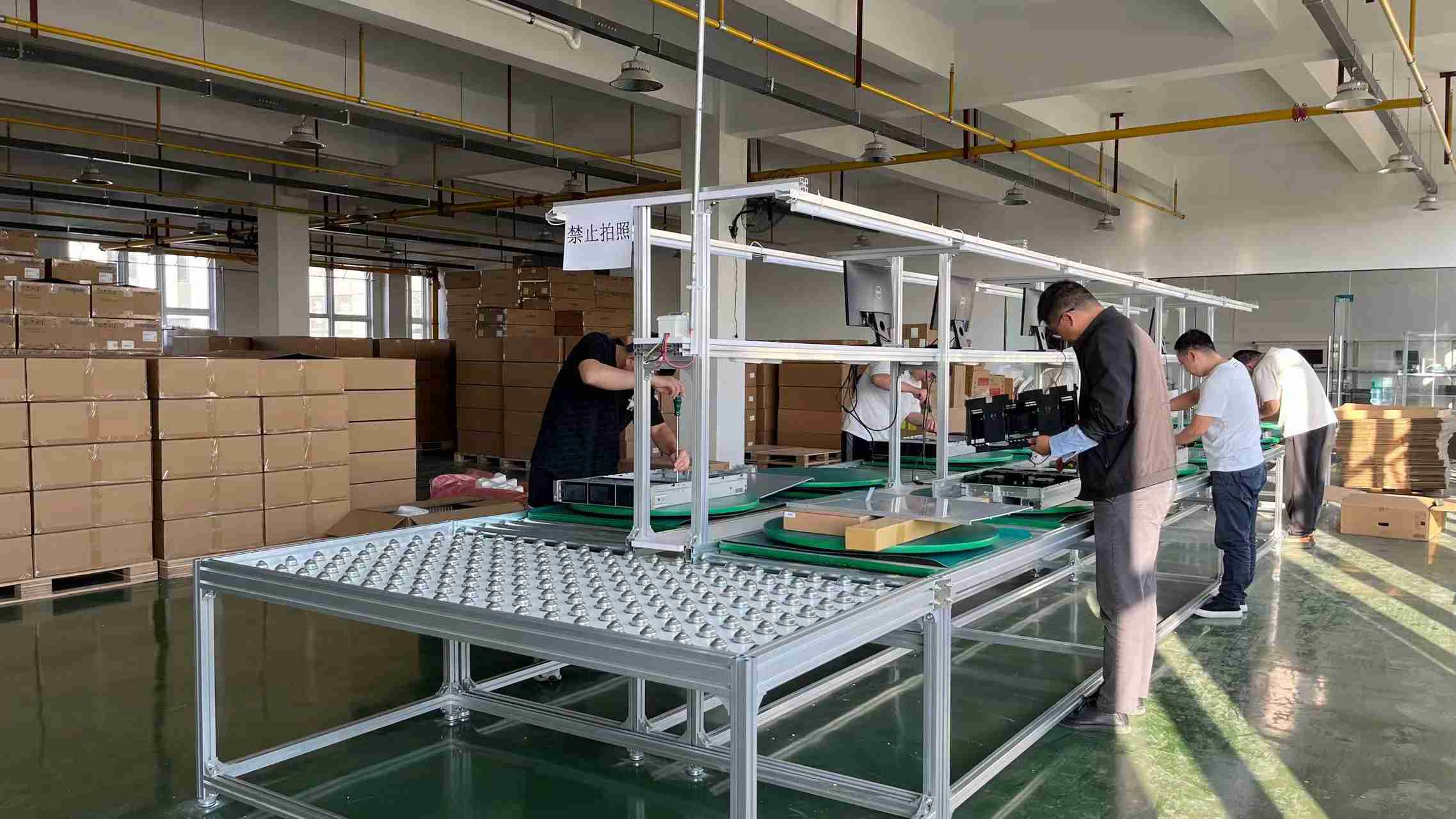
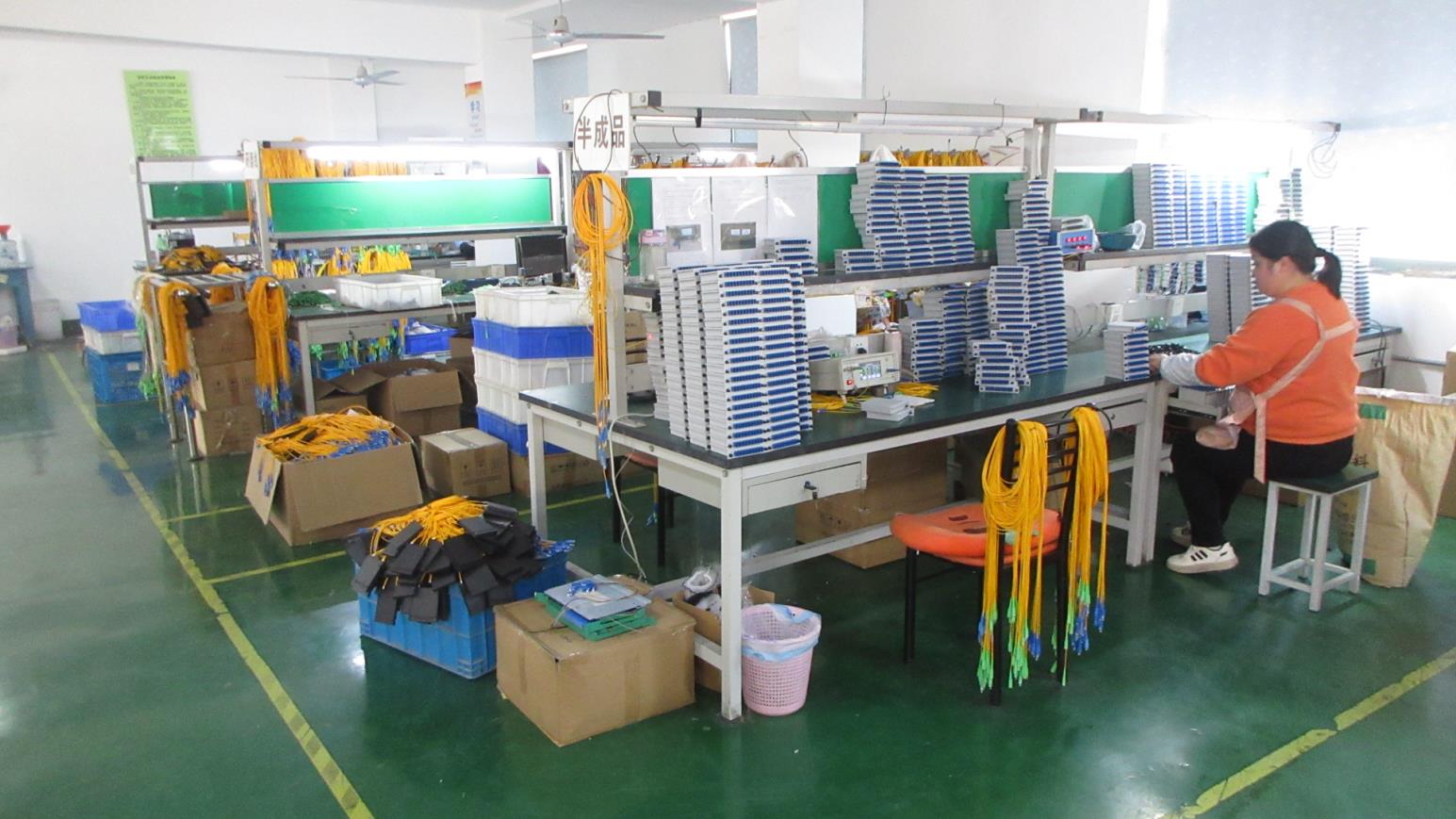
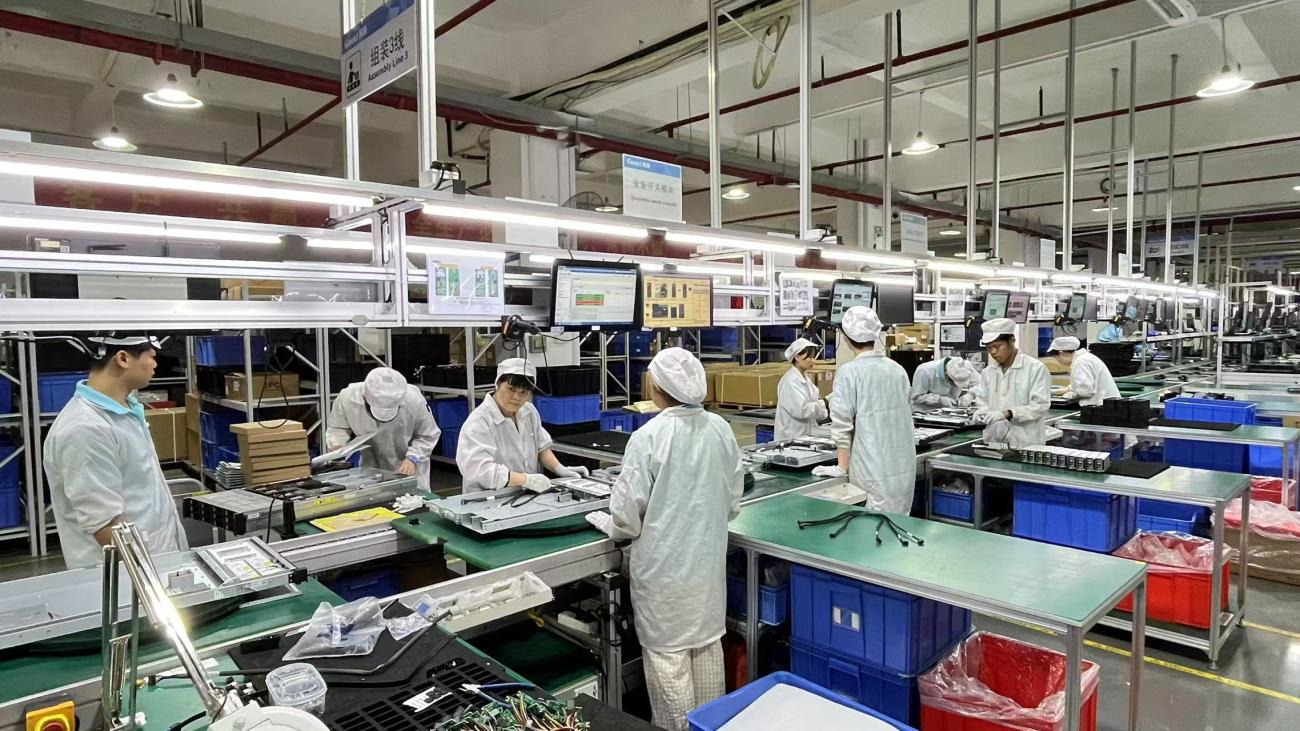

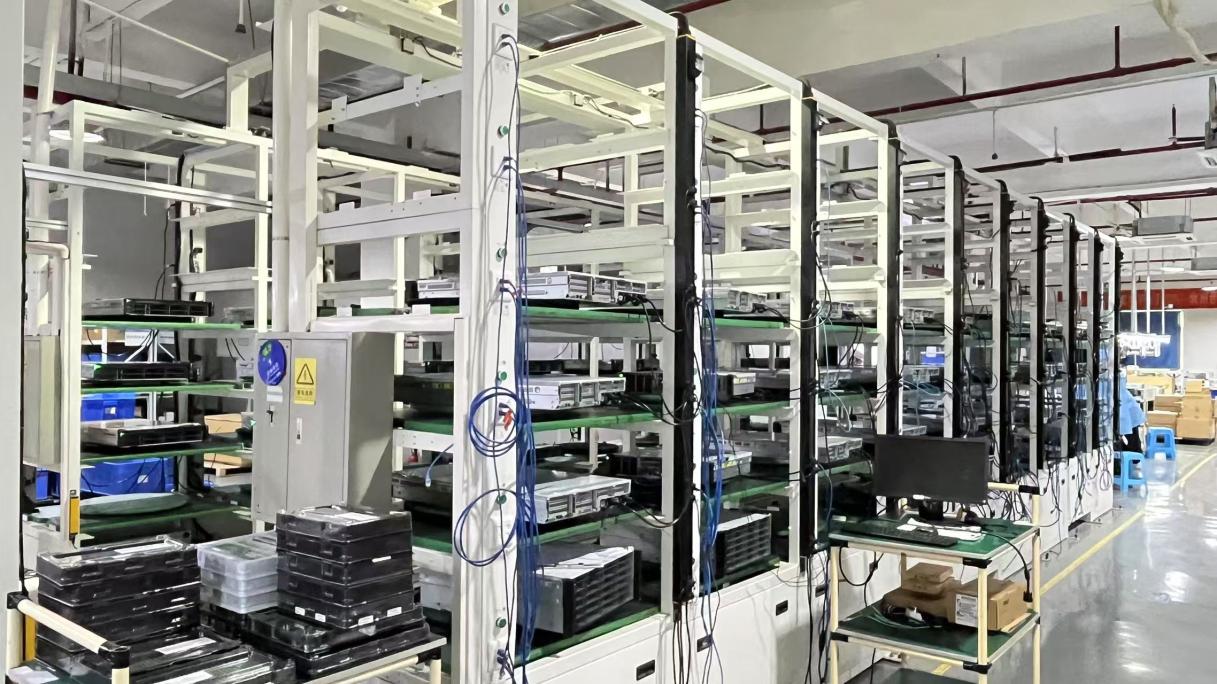
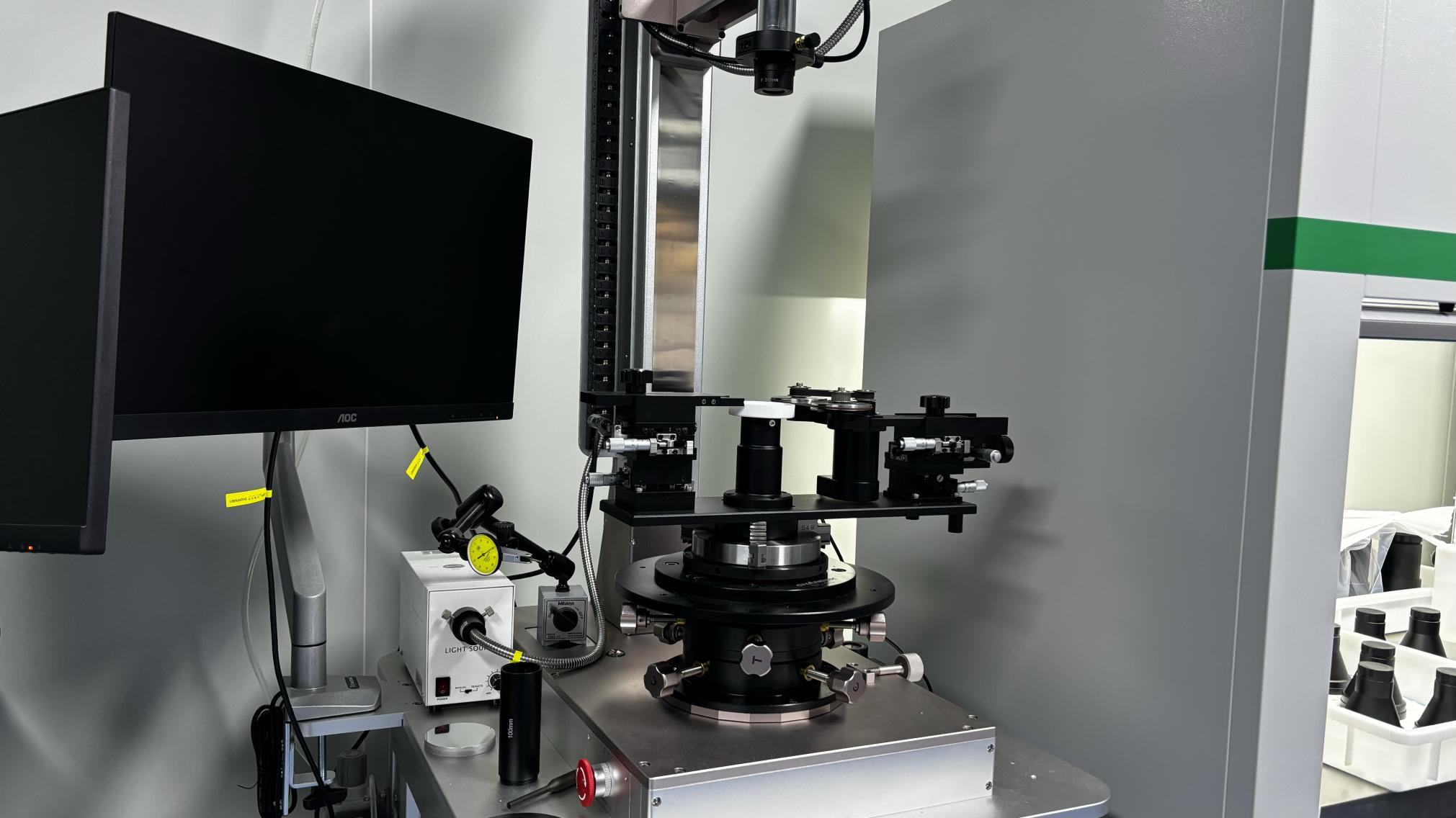

How modernized factory ecosystems reduce lead times and maximize cost-efficiency for international buyers.
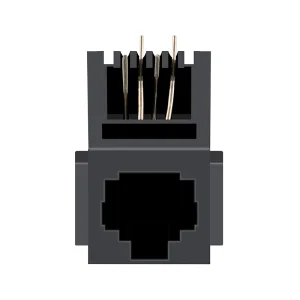
Prototyping boards and network infrastructure hardware require hundreds of individual components, including specialized microchips, physical layer (PHY) ICs, magnetic transformers, RJ45 ports, and high-frequency SFP cages.
By manufacturing within the Shenzhen-Dongguan electronics cluster, factories leverage a localized network of raw materials, sheet-metal punching shops, precision injection molding centers, and high-speed SMT assembly houses. This minimizes logistic delays and buffers against raw material pricing volatility.
Under the Factory 4.0 framework, optical transceivers and modular components undergo highly automated assembly. In high-speed optoelectronics fabrication, precision is paramount:
Aligning physical designs with the specific needs of commercial deployments, system integrators, and testing labs.
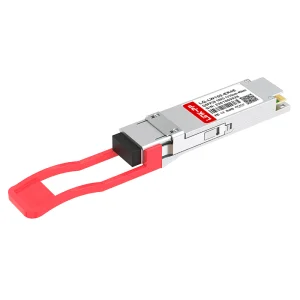
Telecom operators require high-density, low-loss modules capable of maintaining error-free links across substantial distances. Modules like 100GBASE-ER4 QSFP28 40km transceivers are essential for carrier-grade backhaul networks, utilizing high-quality optical multiplexing elements to secure wideband signals.
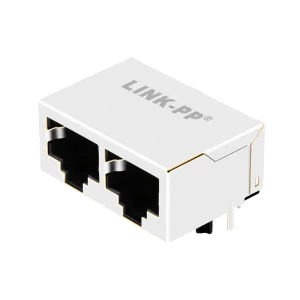
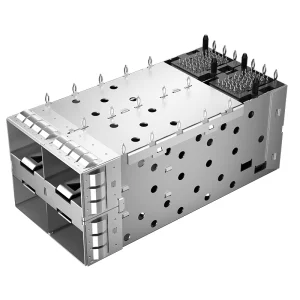
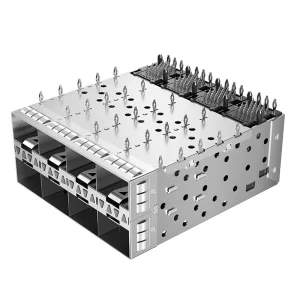
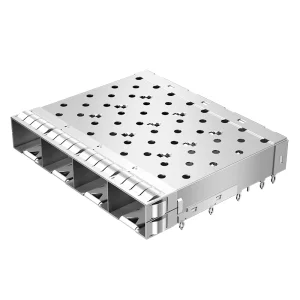
High-density server farms demand low power consumption and high heat dissipation. SFP+ cages configured in multi-port structures (such as 2x2 and 2x4 configurations) must incorporate integrated EMI gaskets and optimized spring fingers to achieve maximum shield containment, safeguarding close-proximity data paths against crosstalk.
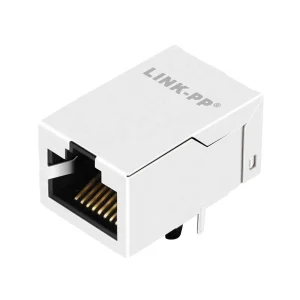
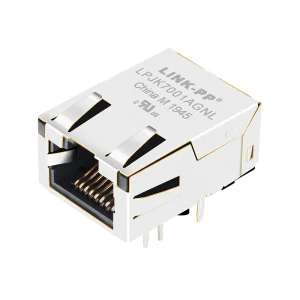
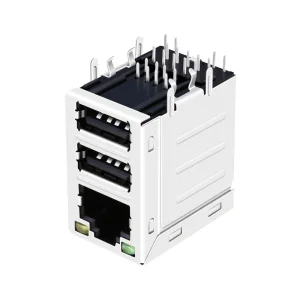
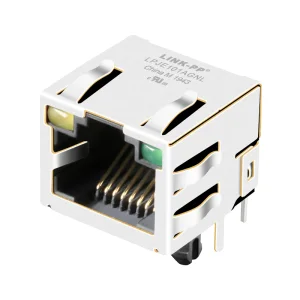
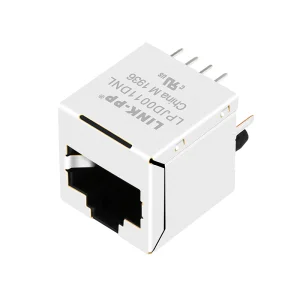
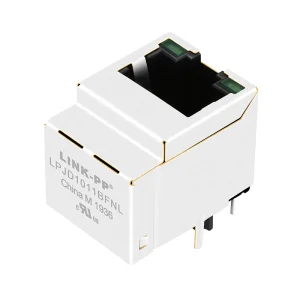
Industrial environments present challenges like electrical noise, mechanical vibration, and wide temperature swings. RJ45 connectors with integrated magnetic components (for instance, the 10/100/1000Base-T L829-1D1T-91) isolate sensitive control circuit boards from high-voltage spikes, maintaining stable communication paths for PLCs and CNC machines.
Industry-compliant hardware designed to interface seamlessly with modern prototyping layouts.
In-depth technical answers for engineers and global procurement managers sourcing networking components.
 LumoWave