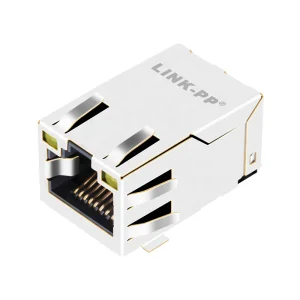
Explore our high-speed hardware designed for minimum insertion loss, optimal signal integrity, and multi-vendor compatibility.
Enterprise-grade production scale, industry experience, and quality benchmarks that drive our global partnerships.
A comprehensive overview of high-speed transmission dynamics, deployment demands, and technological transitions.
In optical communications, signal integrity relies directly on connection interfaces. Optical fiber adapters serve as alignment mechanisms that connect physical connectors (LC, SC, FC, ST, MPO/MTP) with minimal attenuation. Even a micron-level misalignment between fiber cores can result in significant insertion loss (IL) and back reflection (Return Loss, RL), impacting network performance.
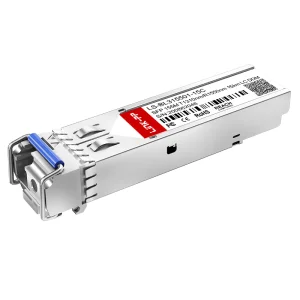
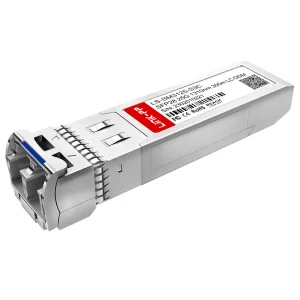
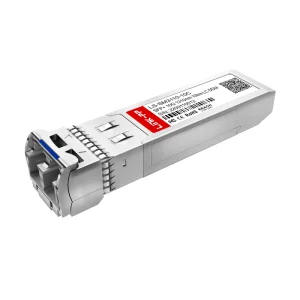
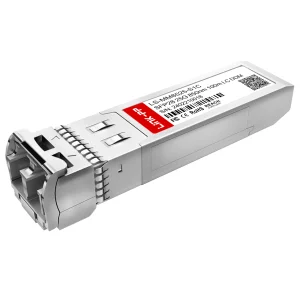
High-speed networks operating at 10G, 25G, 100G, and up to 800G demand stable alignment. The interface must withstand mechanical stresses, thermal expansion, and repeated matings. Modern transceivers like our SMF LC 25G SFP28 300m modules depend on clean, low-tolerance interfaces to maintain Bit Error Rates (BER) within acceptable parameters, preventing packet loss in data center environments.

With cloud traffic growing rapidly, data centers are shifting from 10G/40G architectures to 100G, 400G, and 800G. High-density fiber distribution frames and patch panels require reliable, compact LC and MPO adapters to maximize port density and routing efficiency.
The rollout of 5G cellular networks demands low latency. This is supported by optical transceivers and ruggedized fiber adapters installed in outdoor environments (remote radio heads and baseband units) that operate reliably under changing weather conditions.
Fiber-to-the-Home (FTTH) networks rely on GPON, EPON, and XGS-PON systems. Durable SC and LC adapters in optical distribution boxes connect residential fiber to main distribution lines with minimal signal loss.
How LumoWave combines manufacturing capacity, supply chain integration, and engineering expertise to deliver cost-effective connectivity solutions.
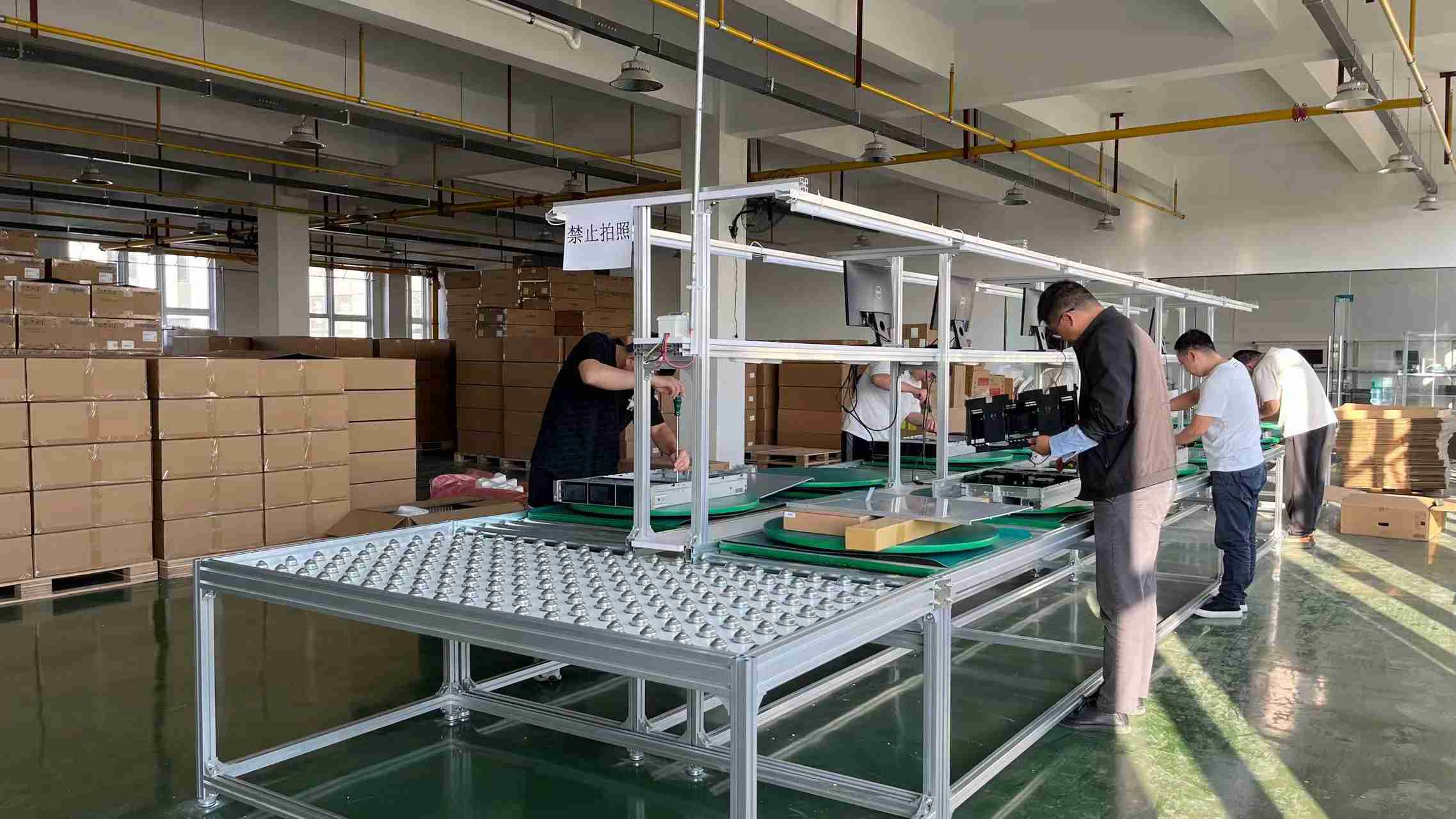
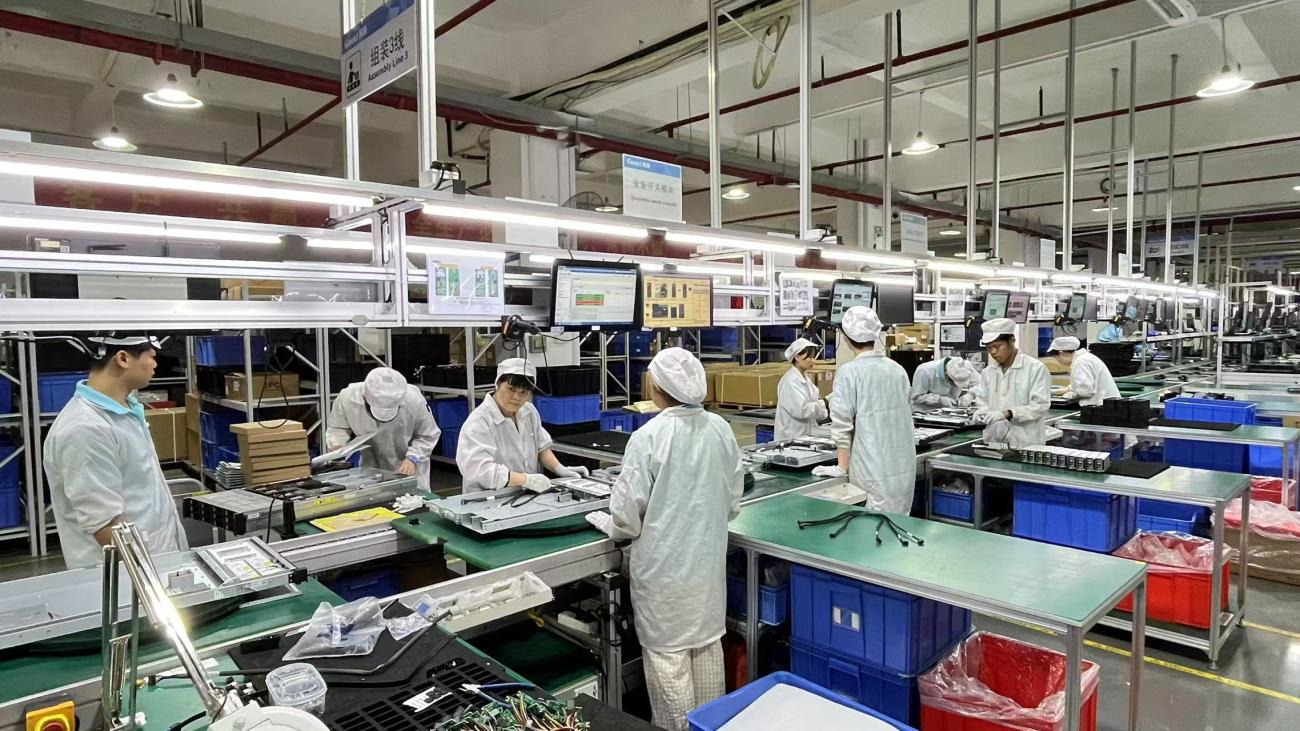
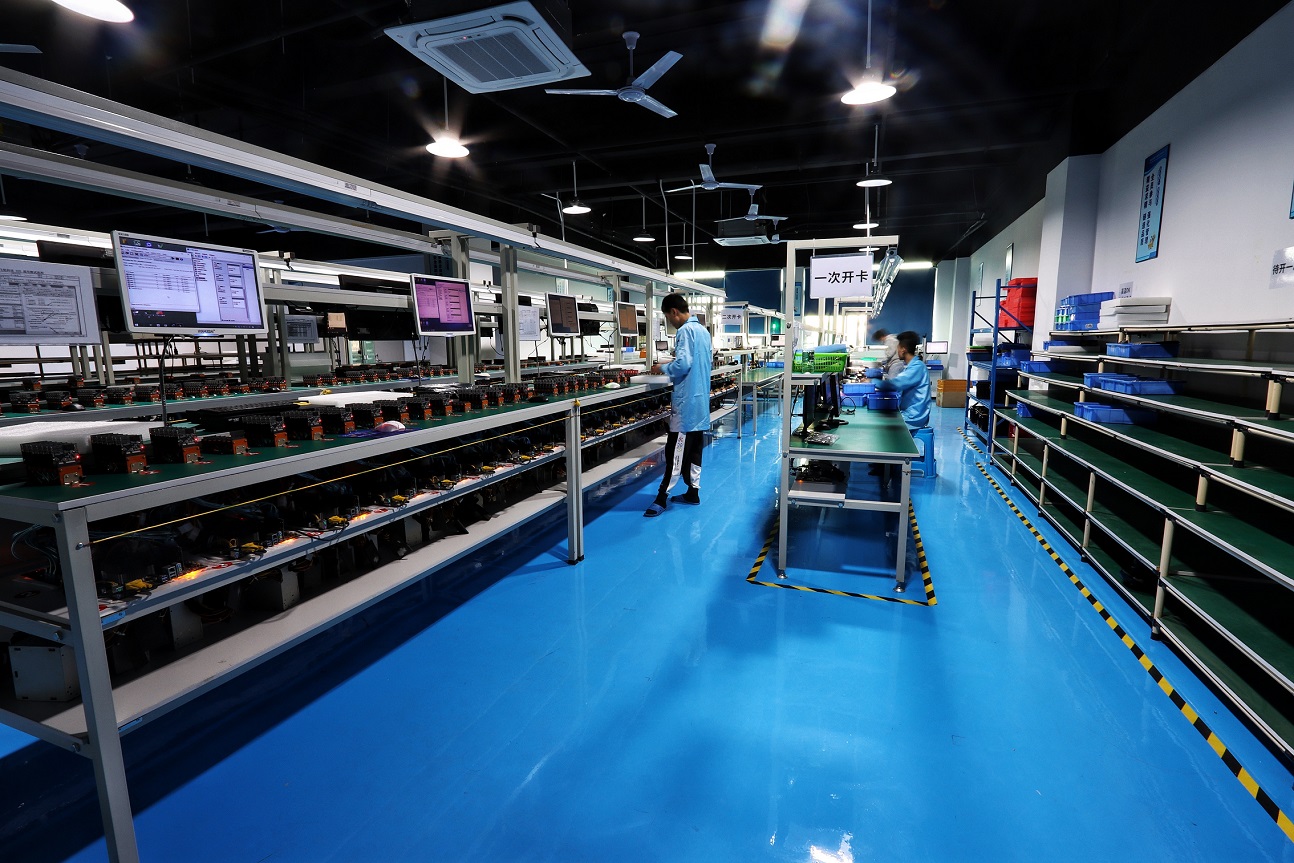
LumoWave’s modern 320,000㎡ manufacturing facility features automated assembly lines, high-precision injection molding machinery, and cleanrooms designed to prevent dust contamination—the main cause of optical endface failures.
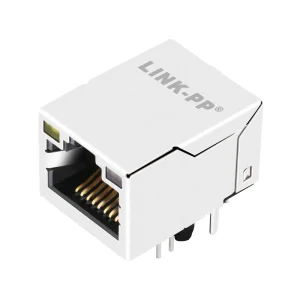
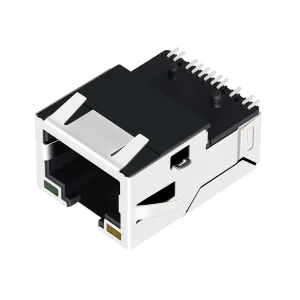
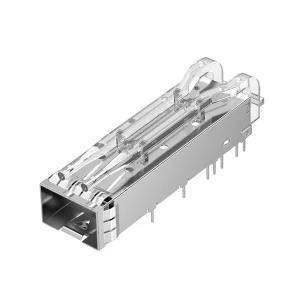
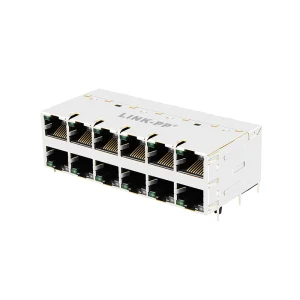
Our integration of structural components (such as SFP cages and RJ45 jacks) with optoelectronic assemblies (SFP modules and transceivers) allows us to maintain tight tolerance controls. Our production efficiency helps keep costs competitive while maintaining standard performance.
Our ecosystem includes over 1,200 upstream and downstream partners. This network ensures a reliable supply of raw materials, such as high-grade zirconia ceramic sleeves and gold-plated contacts (e.g., 30u" gold plating in our E81M0 series SFP connectors). This support helps reduce production lead times and enables us to handle large-volume orders from global network equipment manufacturers and telecom operators.
Strict performance verification ensuring compatibility with international standards and reliable system operation.
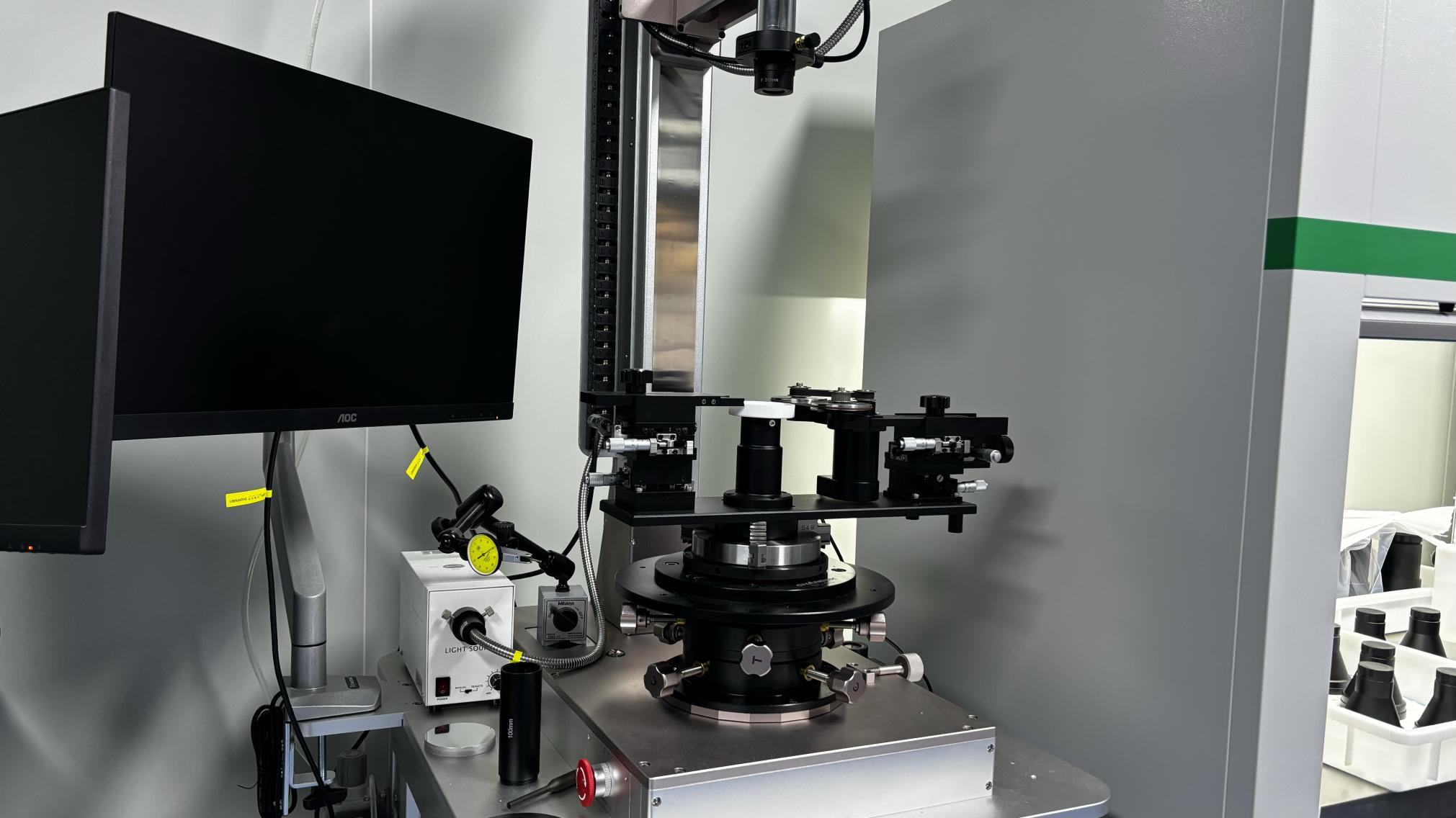
Every batch of zirconia alignment sleeves, copper pins, shielding housings, and laser diodes undergoes strict geometric, electrical, and optical inspection before entering production.
During assembly, automated optical inspection (AOI) monitors alignment precision, SMT reflow profiles, and SFP cage welding points to identify anomalies early in the process.
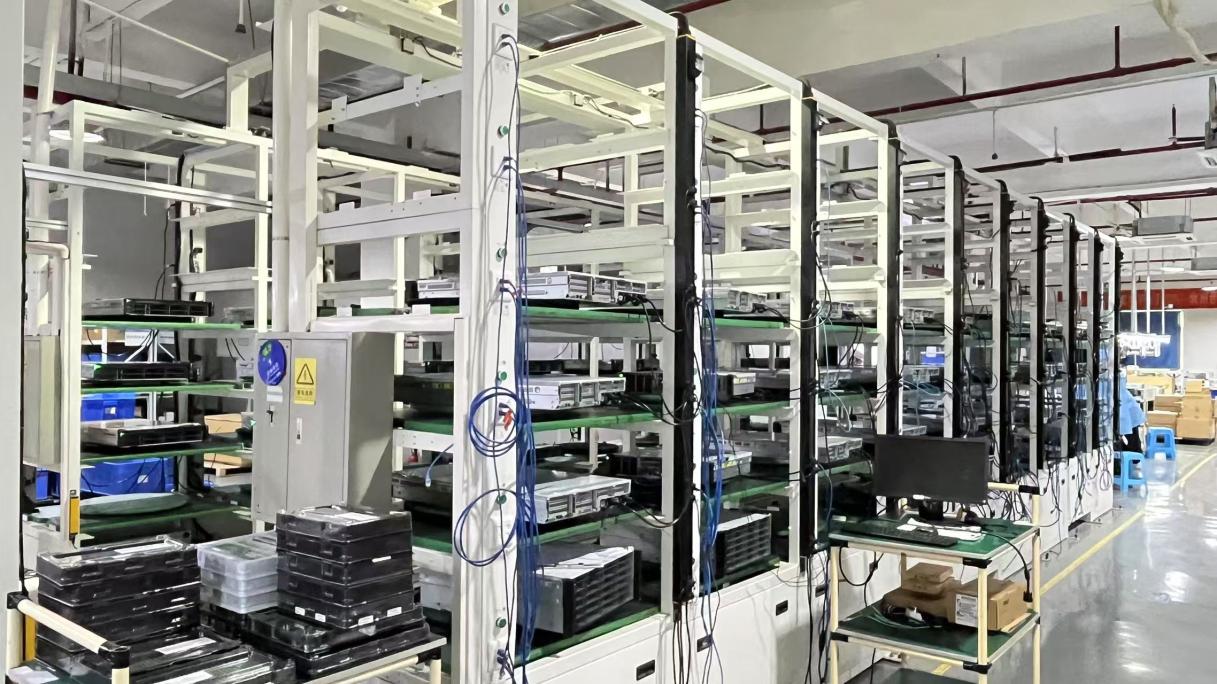
Finished transceivers undergo a battery of performance verifications: Optical power level verification, Bit Error Rate (BER) analysis, wavelength centering, and thermal performance testing.
Under the management of our 45 dedicated quality control specialists, LumoWave implements verification procedures to confirm the reliability of every component:
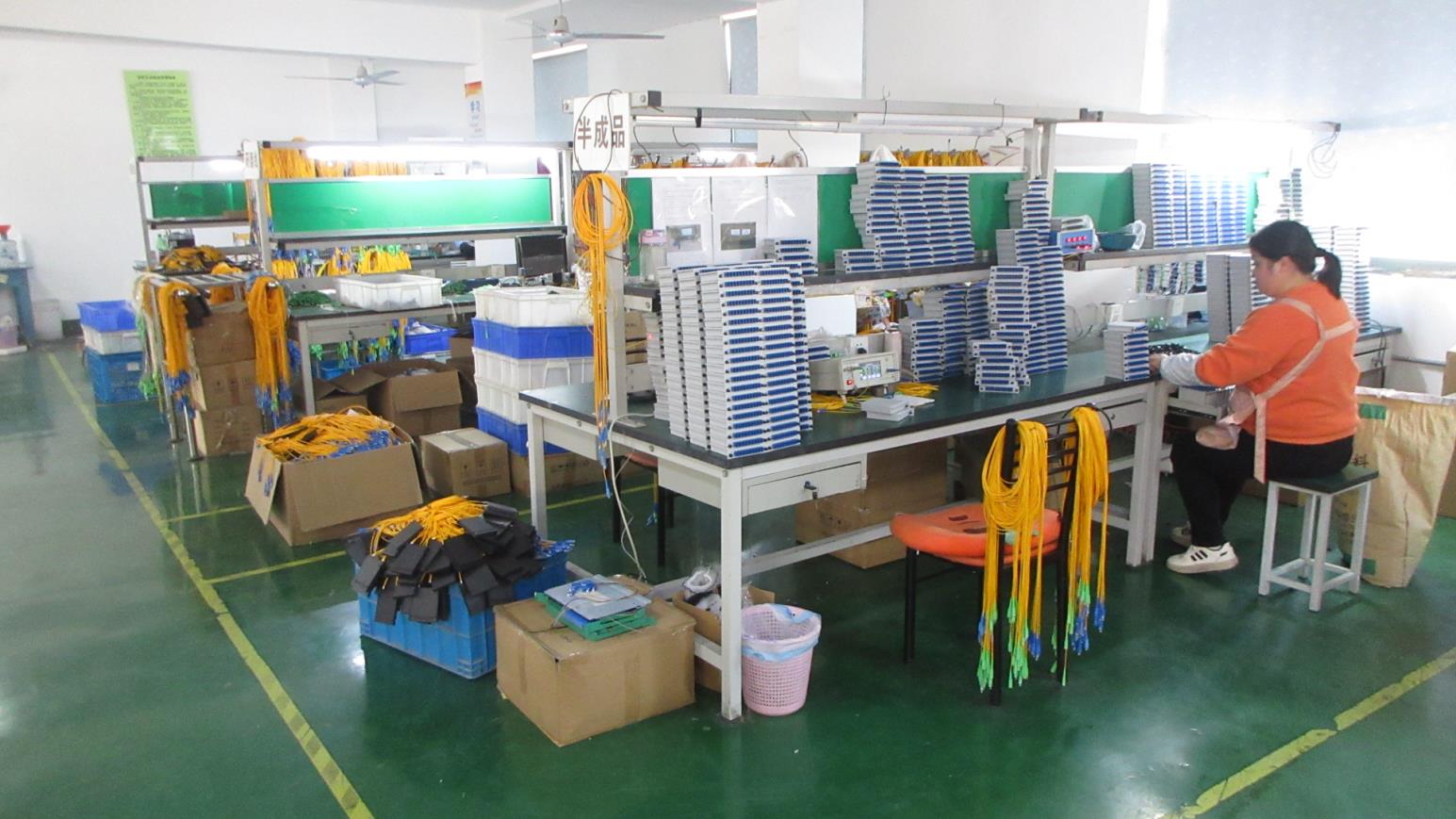
Meeting unique hardware demands through engineering services, compatibility mapping, and custom branding.
We write vendor-specific compatibility code into transceiver EEPROMs, enabling compatibility with systems from brands like Cisco, HPE Aruba, and Juniper.
We modify and optimize transceiver laser outputs (DWDM, CWDM, BiDi) and internal circuits to match specified transmission ranges from 300m up to 80km.
We provide OEM branding services, including custom laser engraving, customized product packaging, label serialization, and technical documentation matching your company profile.
R&D Innovation Note: Last year alone, our team of 85 R&D engineers introduced approximately 120 new product designs, focusing on high-speed transceivers, thermal dissipation in SFP cages, and EMI-shielded connector systems.
Insights into optical alignment, connector tolerances, SFP compatibility, and signal degradation.
The alignment sleeve is the critical internal element of a fiber optic adapter. Typically made from zirconia ceramic or phosphor bronze, it is responsible for holding the two mating fiber ferrules in precise alignment. Zirconia ceramic sleeves offer higher rigidity and thermal stability, maintaining precise alignment tolerances over repeated connections. Phosphor bronze sleeves are more economical but are generally reserved for multimode applications where alignment tolerances are less demanding.
Insertion loss (IL) measures the signal power lost as light travels through a connection interface. In high-speed networks, tight optical power budgets make minimizing IL crucial. For instance, a 25G SFP28 link has a strict power budget; excessive insertion loss at patching points can attenuate the signal below the receiver's threshold, resulting in bit errors and packet loss. Keeping insertion loss below 0.2dB per connection helps maintain stable data transmission.
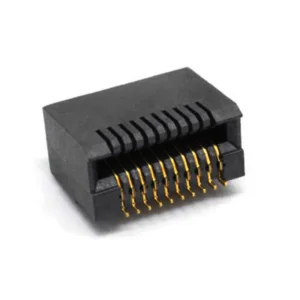
SFP cages must feature effective EMI (electromagnetic interference) shielding, usually achieved via integrated metal spring fingers. Mechanical dimensional stability is also key, ensuring proper mating and unmating forces. For SMT (Surface Mount Technology) connectors like our E81M0 series, the gold plating thickness on the contact points (such as 30u" gold plating) directly determines corrosion resistance and electrical conductivity over the component's operational lifespan.
We program the EEPROM on our transceiver modules using vendor-specific coding. This ensures that when the transceiver is plugged into host switches or routers (such as Cisco, HPE Aruba, or Juniper), the system recognizes the transceiver’s MSA parameters, preventing port-lockout or compatibility warnings.
While the external housing may look identical, single-mode adapters feature tighter tolerances in their zirconia ceramic alignment sleeves to align the 9-micron cores of single-mode fibers. Multimode adapters can have slightly wider tolerances because multimode fiber cores are larger (50 or 62.5 microns). Using a multimode adapter in a single-mode connection can cause significant insertion loss.
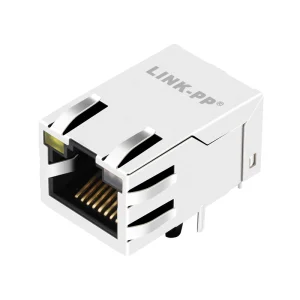
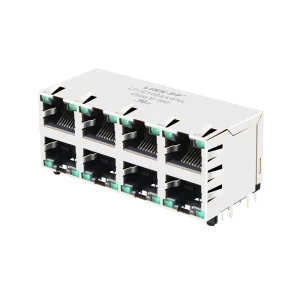
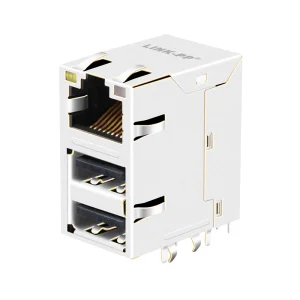
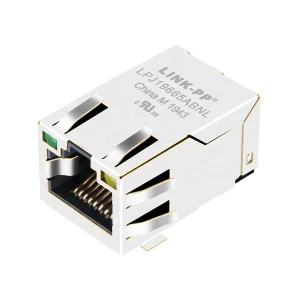
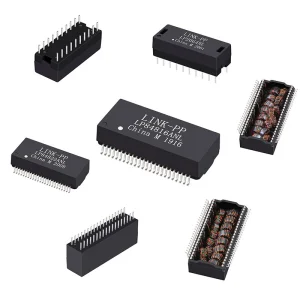
Integrated magnetics (or magnetic modules) in RJ45 connectors provide electrical isolation, impedance matching, and common-mode noise suppression. This shields the PHY chip on the network interface card from electrical surges, static discharge, and high-frequency EMI, helping maintain signal integrity across copper Ethernet runs.
Industrial components designed for board-level integration, EMI shielding, and high-frequency applications.
Partnering with organizations worldwide to deliver stable connectivity components.
 LumoWave