Highly compatible, low-latency transmission components optimized for Korea's carrier-grade fiber deployments.
South Korea stands at the forefront of the global digital transition, hosting some of the most sophisticated telecommunication networks and densest fiber architectures in the world. Driven by telecom giants like SK Telecom (SKT), KT Corporation, and LG Uplus, the nation's demand for high-performance optical transceiver modules has expanded beyond traditional carrier backbones into advanced enterprise clouds, AI accelerators, and automated smart manufacturing clusters.
The Korean government’s strategic push to create an AI-driven economy—spearheaded by the K-Cloud initiative—has catalyzed a massive wave of hyperscale data center builds across Gyeonggi-do, Incheon, and Seoul. These hyperscale locations require optical interconnect solutions that can support massive east-west traffic flow, minimize latency, and lower total power usage effectiveness (PUE). LumoWave’s line of low-power optical modules, specifically designed with advanced DSPs (Digital Signal Processors) and optimized optical engines, meets the rigorous standards mandated by Korean green-computing guidelines.
Globally, the optical communication market is witnessing an unprecedented transition from standard 10G/400G transceivers to next-generation 800G OSFP/QSFP-DD and 1.6T coherent transmission solutions. The explosive growth of Artificial Intelligence (AI) and Machine Learning (ML) clusters relies heavily on optical transceivers to prevent latency bottlenecks in multi-node GPU arrays. As a leading manufacturer, LumoWave addresses these structural demands by incorporating Silicon Photonics (SiPh) technology and Co-Packaged Optics (CPO) architectures into our production lines, enabling substantial reductions in cost-per-bit and power consumption.
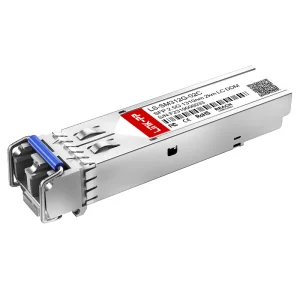
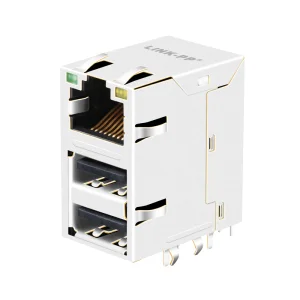
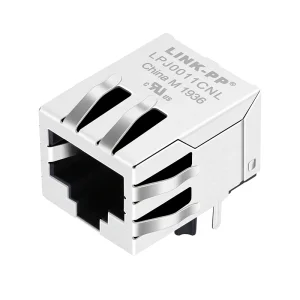
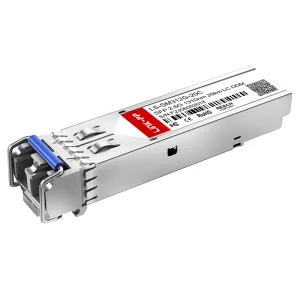
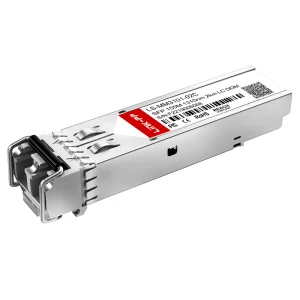
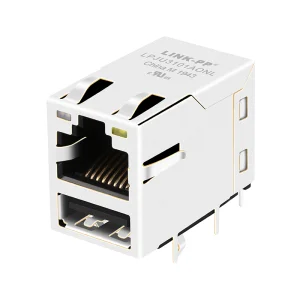
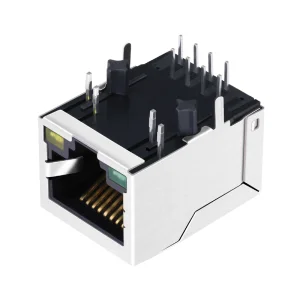
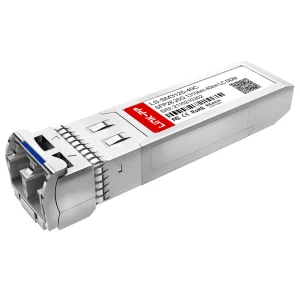
Specialized SFP modules and robust RJ45 interfaces configured for reliable operations in Korean heavy industrial sectors.
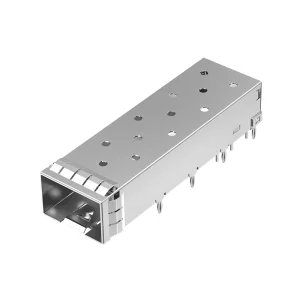
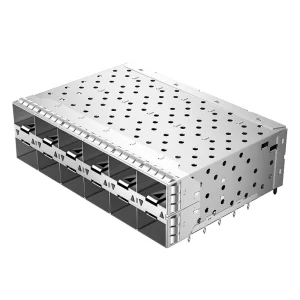
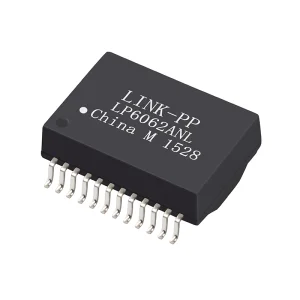
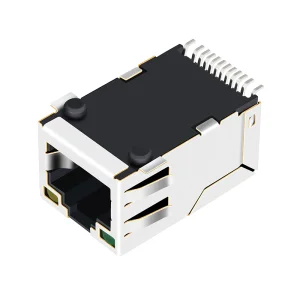
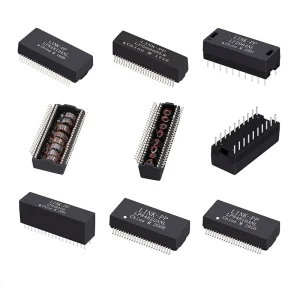
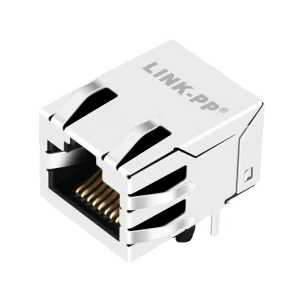
High-vibration and EMI-heavy settings require components with superior electromagnetic isolation. LumoWave's shielded SFP+ cages and RJ45 MagJacks ensure zero packet loss in robotic automation loops.
Korean financial networks in Seoul rely on sub-nanosecond signal processing. Our Linear-drive Pluggable Optics (LPO) bypass traditional DSP overhead, speeding up algorithmic trade executions.
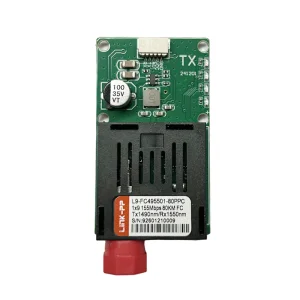
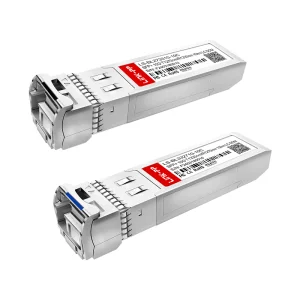
Using bidirectional (BiDi) transceivers over single-core fibers allows Korean telecom installers to double their optical bandwidth density without routing new cable infrastructure.
As transmission frequencies rise, optical engineering faces structural limits in thermal dispersion and signal attenuation. LumoWave's technical development roadmap focuses heavily on:
A trusted global OEM/ODM manufacturer delivering carrier-grade optical modules through rigorous, multi-stage validation systems.
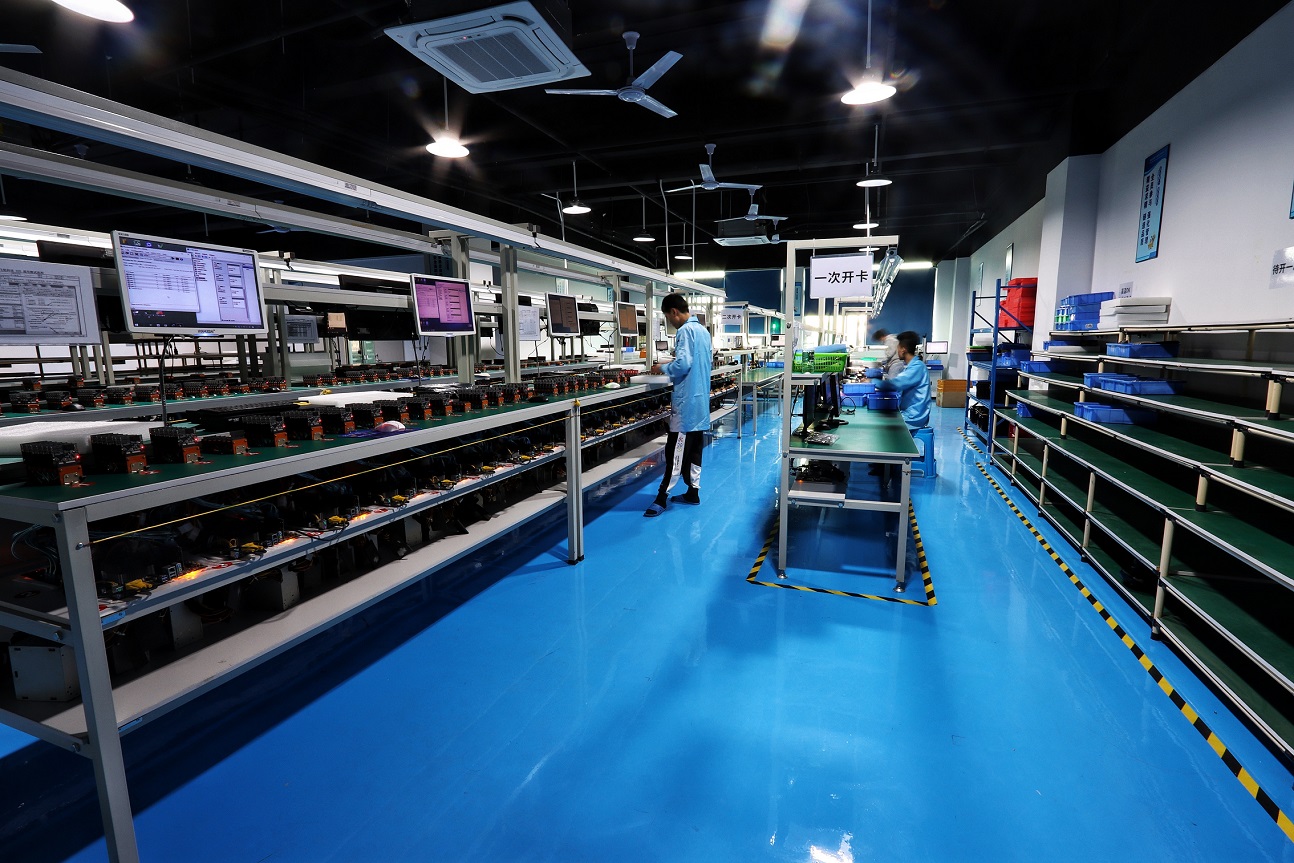
Founded in 2016, LumoWave Optical Technology Co., Ltd. has established itself as an industry-leading OEM/ODM developer. Utilizing a network of over 1,200 upstream and downstream partners, we maintain a highly flexible production system capable of shifting output to meet emerging demand spikes. Our global trade network serves key installations in North America, Europe, Southeast Asia, and the Middle East, ensuring complete compatibility with leading networking ecosystems like Cisco, Juniper, Samsung, and Huawei.
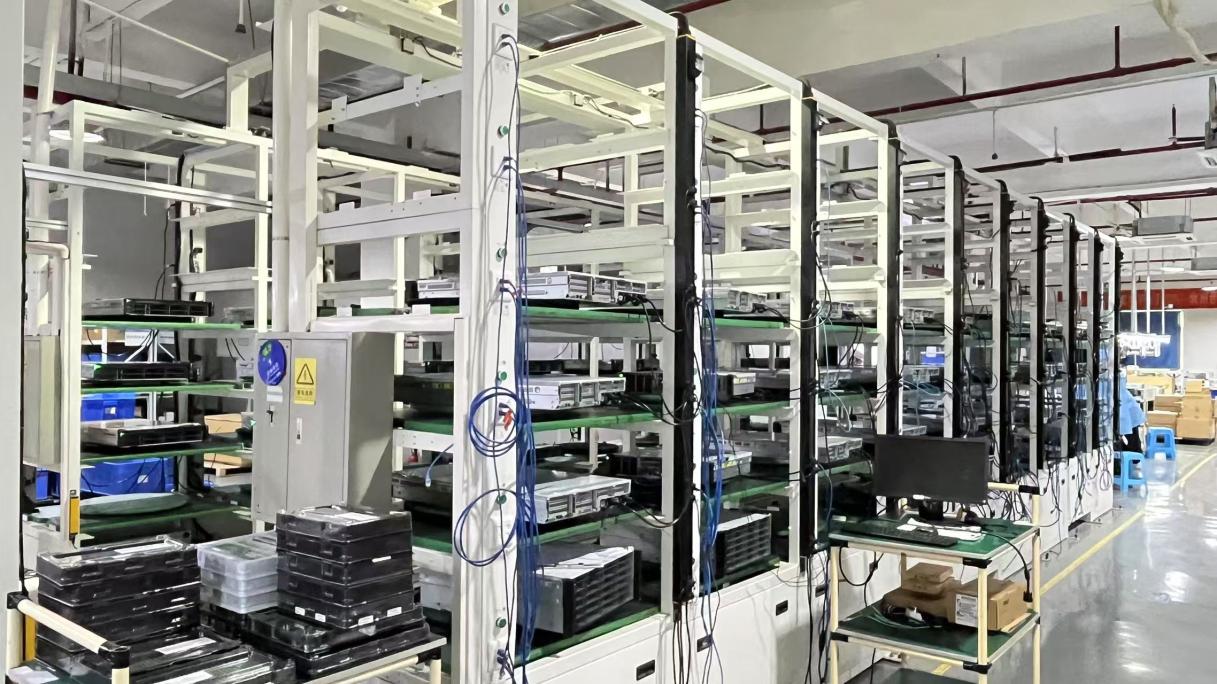
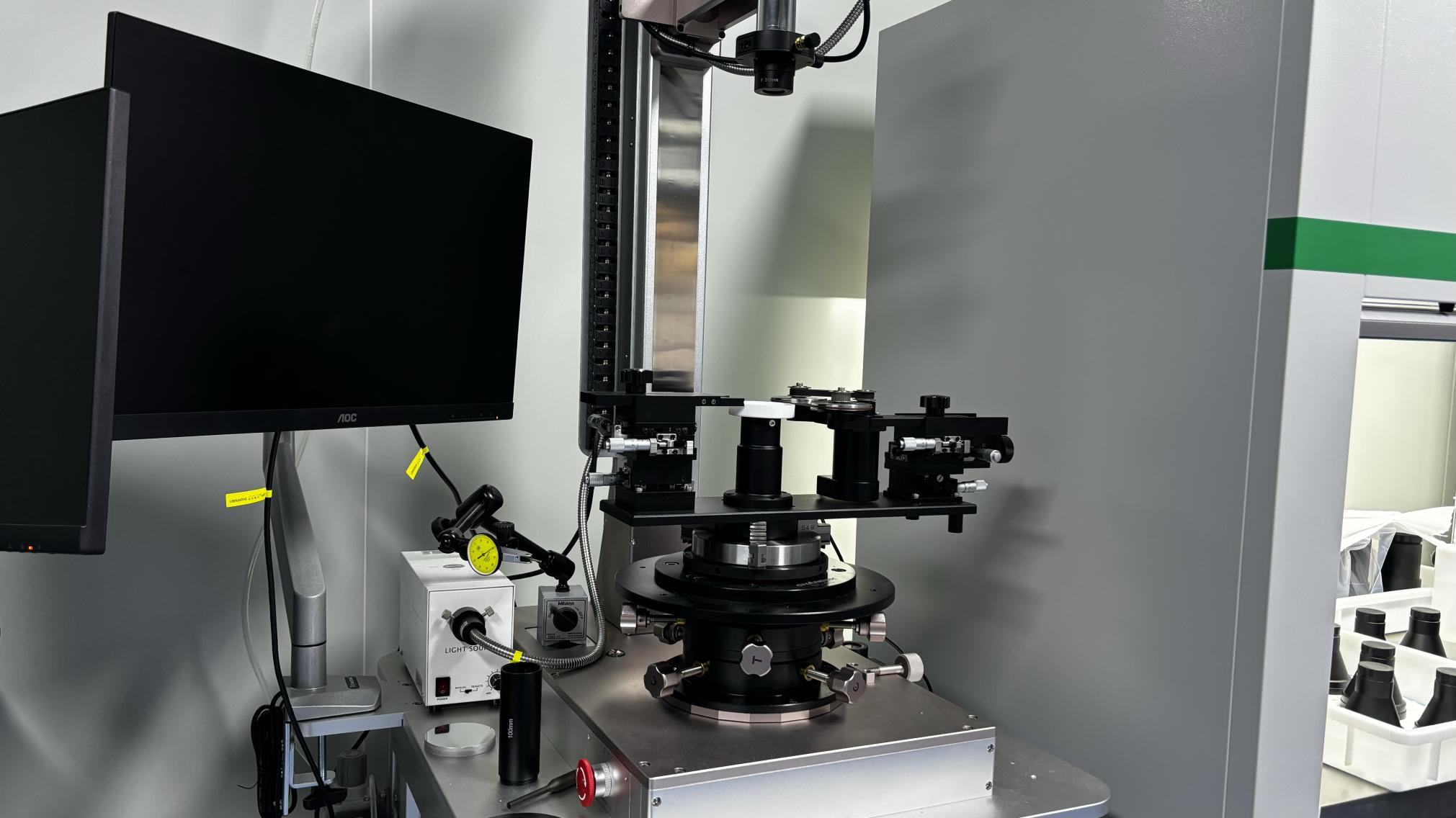
Our quality verification system is comprised of three key phases: Incoming Quality Control (IQC), In-Process Quality Control (IPQC), and Final Quality Control (FQC). Optical modules undergo intense testing processes, including optical power measurements, Bit Error Rate (BER) analysis, wavelength accuracy calibration, temperature cycling chamber stress tests, and automated burn-in protocols. This strict testing process ensures our transceivers operate reliably in demanding carrier environments.
Reliable components designed for high density, EMI shielding, and long-term deployment in Korean telecom frameworks.
LumoWave provides complete physical-layer solutions for a wide range of deployment scenarios:
With networks shifting to higher frequency bands, transport architectures must carry vast amounts of data without performance drop-offs. LumoWave's coherent SFP28 25G and 100G/400G transceivers enable carriers to optimize backhaul channels, ensuring continuous connectivity during peak traffic demands.
Modern data centers hosting heavy AI workloads demand massive throughput with minimal power draw. Our low-power, high-density optical engines, available in QSFP-DD formats, reduce overall heat generation in high-density switch racks. This directly lowers cooling system power demands and improves facility efficiency.
Smart factories and transit grids require network interfaces built to withstand demanding conditions. LumoWave provides custom, EMI-shielded connector systems and high-isolation magnetics. These components safeguard critical data links against electrical noise, thermal stress, and mechanical vibrations in heavy industrial areas.
Expert insights regarding technical compliance, compatibility, and customization parameters for the South Korean optical market.
Yes. Our transceivers undergo rigorous host-system validation tests. We verify compatibility with top network brands, including Cisco, Juniper, Arista, Edge-Core, and locally deployed platforms like Samsung and Dasan. Custom EEPROM programming is available to match your specific host requirements.
We maintain a comprehensive ISO 9001 and ISO 14001 certified QA system. Every module is subjected to strict 3-stage validation: Incoming Quality Control (IQC), In-Process Quality Control (IPQC), and Final Quality Control (FQC). Testing protocols include optical eye diagram validation, bit error rate (BER) checks, and extended thermal sweep chambers (-40°C to +85°C).
All LumoWave products exported to South Korea comply with CE, FCC, RoHS, and REACH directives. If required, we can coordinate with our local partners to facilitate specific KC (Korea Certification) testing for major public network infrastructure projects.
Standard transceiver configurations are dispatched within 3 to 7 working days. Customized or high-volume orders generally ship in 2 to 4 weeks. With direct transport links between our manufacturing facility and Incheon International Airport, express transit takes only 1 to 2 business days.
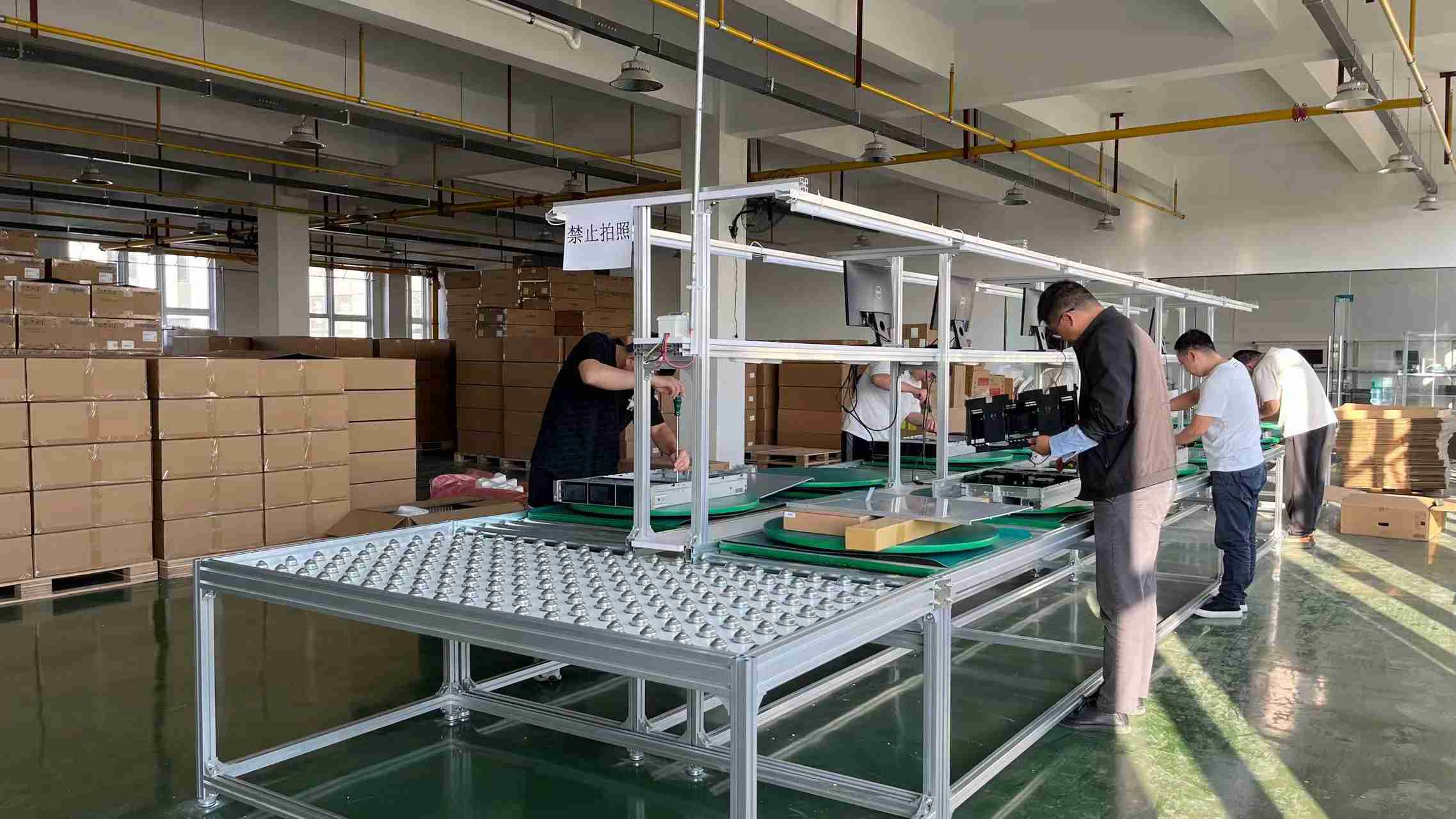
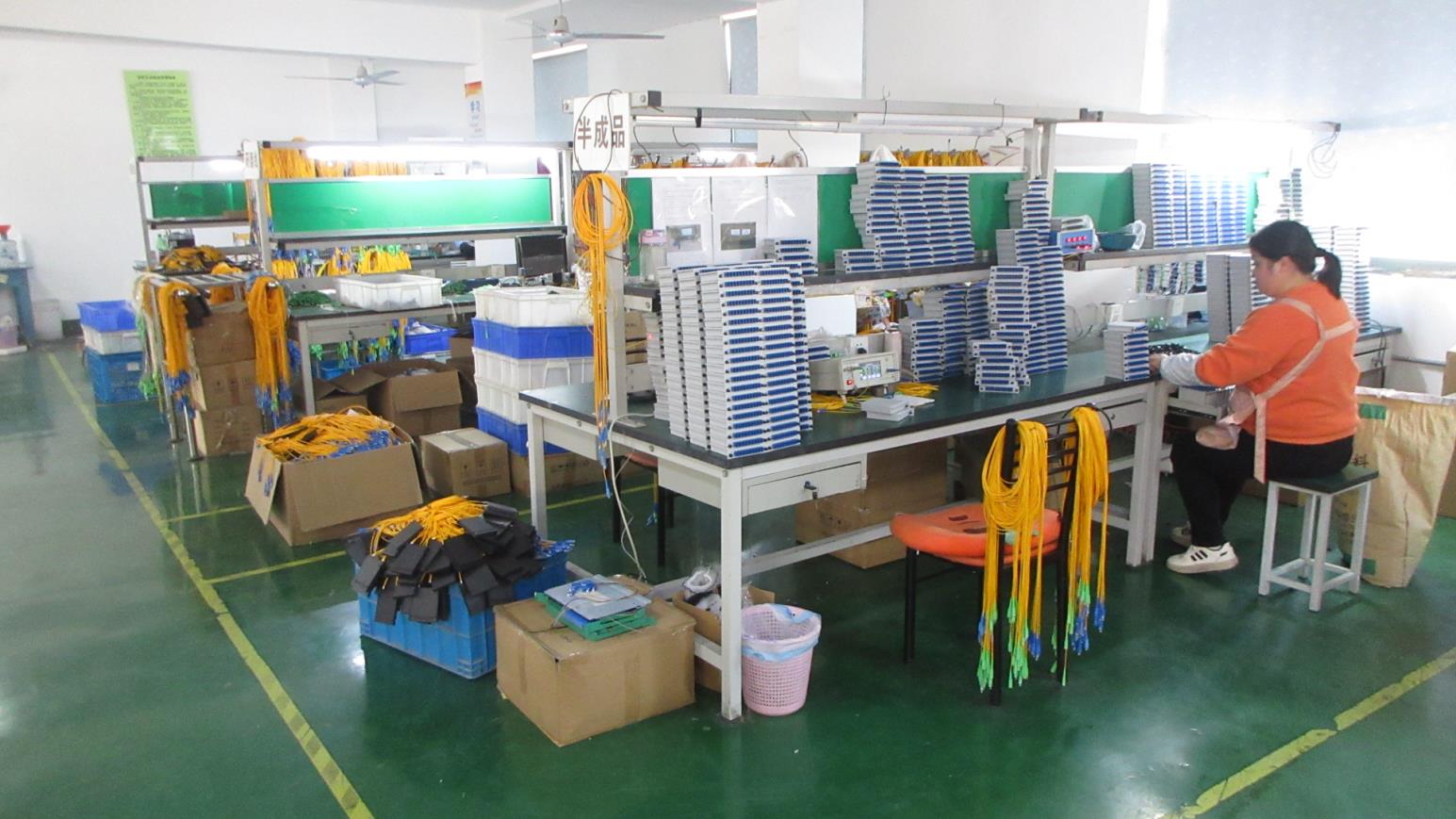
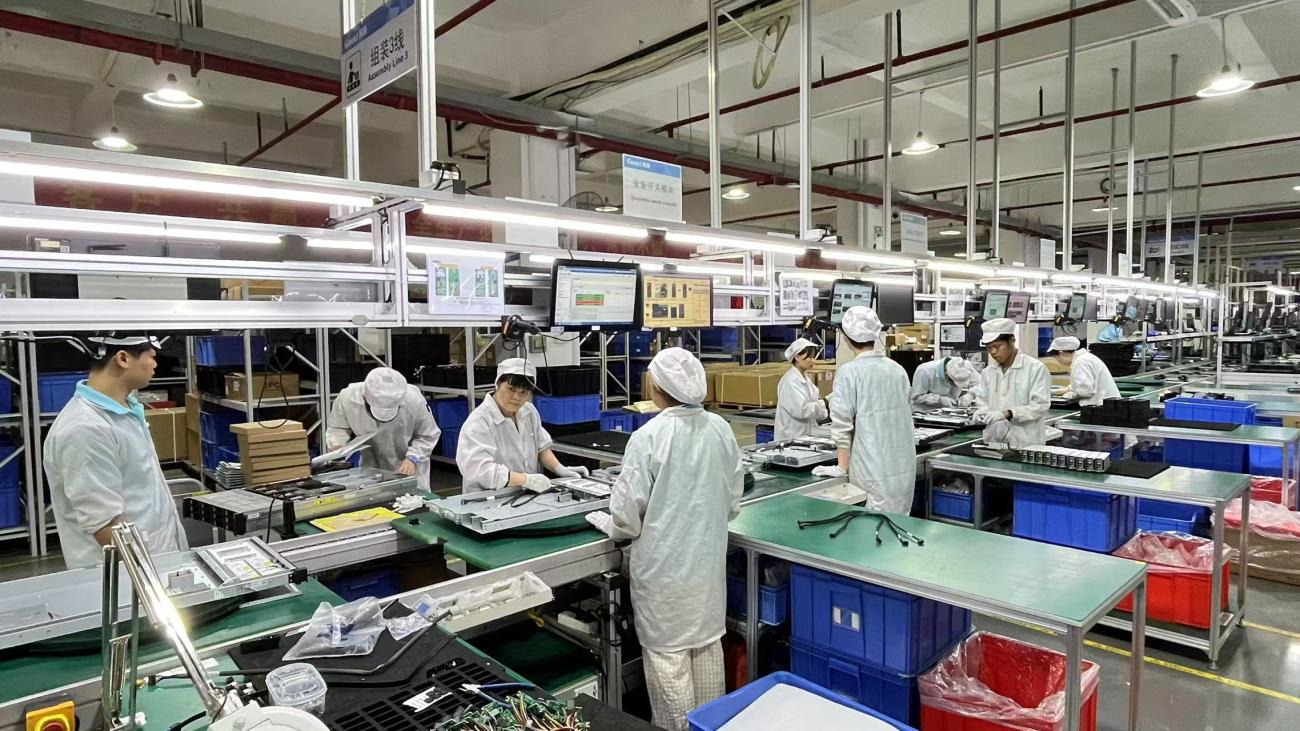
A tour of our production facility featuring automated packaging lines, high-precision calibration labs, and quality validation areas.

 LumoWave