High-performance industrial RJ45 components and optical transceiver modules engineered for maximum throughput and reliability.
LumoWave Optical Technology Co., Ltd. is a professional optical transceiver manufacturer specializing in high-speed fiber optic communication solutions for global data centers, telecom operators, and enterprise networking applications. Built under the brand LumoWave, the company is committed to delivering stable, high-performance, and cost-effective optical modules ranging from 10G to 800G, including SFP, QSFP, QSFP-DD, and coherent transmission solutions.
Founded in 2016, LumoWave has developed into a reliable OEM/ODM supplier with a modern production facility covering approximately 320,000㎡. The company generates an annual export revenue of around $12 million, with 8 years of export experience and 12 years of industry expertise in optical communication technologies.
Understanding the technical requirements, integration challenges, and life-cycle demands of modern industrial enterprises.
In the era of Industrial Internet of Things (IIoT) and digital transformation, enterprises worldwide are facing the critical challenge of bridging the gap between legacy industrial infrastructure and modern cloud-based analytics systems. Procurement teams at telecom providers, smart grid operators, and Tier-1 automotive manufacturing plants look for solutions that ensure uninterrupted operations. Serial communication equipment—including serial-to-Ethernet device servers, industrial switches, SFP optical transceivers, and specialized magnetic RJ45 connectors—remains the backbone of this transition.
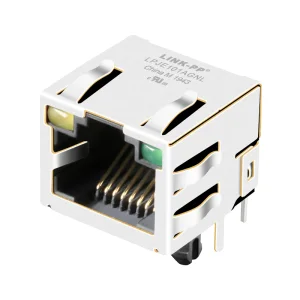
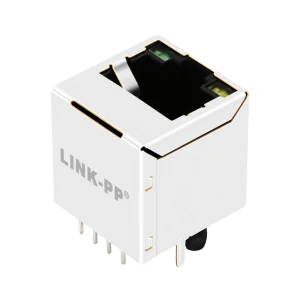
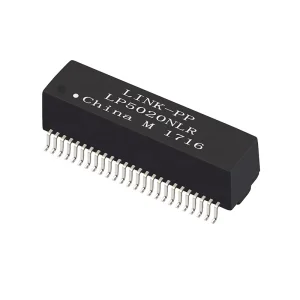
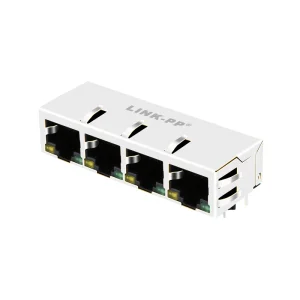
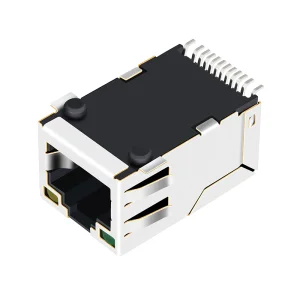
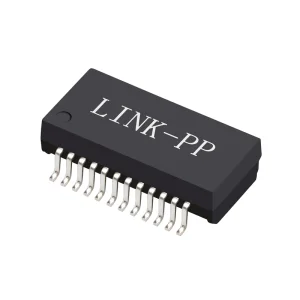
Reliability under extreme environmental stress is the primary criterion for procurement decision-makers. Unlike consumer-grade hardware, industrial serial communication interfaces must operate within a temperature range of -40°C to +85°C, withstand electromagnetic interference (EMI) caused by heavy machinery, and provide galvanic isolation to protect sensitive control circuitry. As a result, procurement pipelines prioritize partners with proven OEM/ODM capabilities who can customize physical layer components, including impedance-matched magnetics, multi-port low-profile RJ45 jacks, and high-performance optical transceiver modules.
How specialized serial and optical communication products power critical global infrastructure.
Adapting to higher speeds, miniaturized footprints, and AI-enabled edge processing.
The landscape of serial communication is evolving. While legacy serial standards like RS-485 remain in service due to their noise immunity and simplicity, the industry is transitioning toward Single Pair Ethernet (SPE) and Time-Sensitive Networking (TSN). These technologies provide deterministic performance, enabling real-time control over standard Ethernet networks.
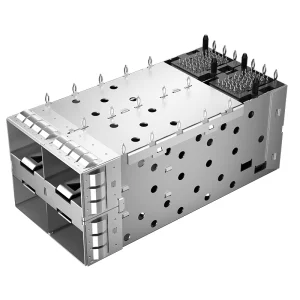
Our R&D team of 85 dedicated engineers is at the forefront of this evolution. Last year alone, we released approximately 120 new product designs, focusing on low-profile magnetic jacks, higher-density SFP cages, and green-energy transceivers. Our engineering roadmap prioritizes:
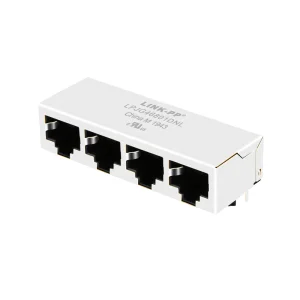
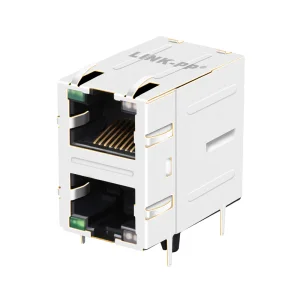
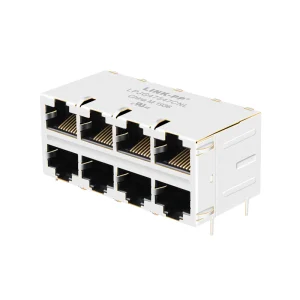
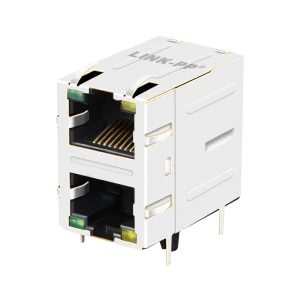
Developing stacked multi-port configurations and modular jacks with integrated PHY chips to reduce footprint on carrier boards, critical for dense switch configurations and compact IIoT gateways.
Expanding our high-speed optical module family up to 800G, leveraging silicon photonics to reduce power consumption and thermal load in core switches and hyperscale data centers.
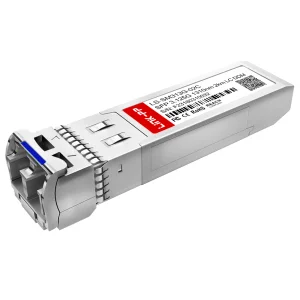
Integrating Digital Diagnostic Monitoring (DDM/DOM) directly into all optical transceivers and active copper cables, providing real-time telemetry on voltage, temperature, and transceiver health.
Evaluating market penetration, supply chain resilience, and distribution footprints.
As global supply chains navigate changing economic environments, manufacturers must show resilience. With an export network spanning North America, Europe, Southeast Asia, and the Middle East, we maintain a robust ecosystem consisting of more than 1,200 upstream and downstream partners. This network guarantees the availability of premium raw materials, including gold-plated contacts, high-grade toroidal cores for transformers, and laser diodes.
Our modern production facility covers approximately 320,000㎡, which provides the capacity to scale production quickly when large infrastructure projects launch. Combining 8 years of export experience with 12 years of industry expertise, we offer optimized logistics paths, flexible customs clearance support, and complete commercial compliance to minimize delivery lead times.
How our quality systems ensure component reliability for long-term deployments.
To meet the standards of international markets, we follow strict quality control methodologies. Our quality assurance system spans all production stages: incoming material inspection (IQC), in-process quality control (IPQC), and final product testing (FQC). This process is monitored by 45 dedicated quality control personnel who verify that every batch meets global standards.
Our testing protocols subject optical and copper connectors to intense conditions:
All products comply with the RoHS Directive, REACH Regulations, and are certified under CE, FCC, and UL standards. We also customize programming for EEPROM, wavelength adjustments, and private labeling to help clients integrate modules directly into their proprietary software platforms.
Expert answers to common engineering, procurement, and design-in integration questions.
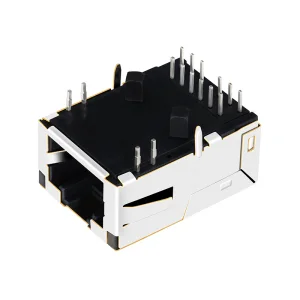
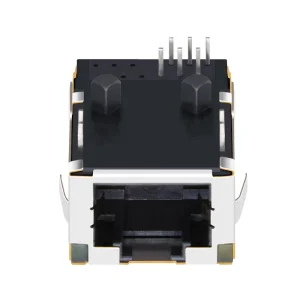
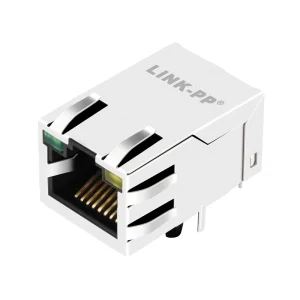
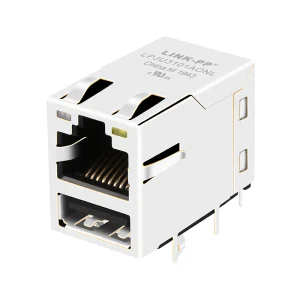
Durable, shielded, and multi-port interfaces designed for reliable connections in tough environments.
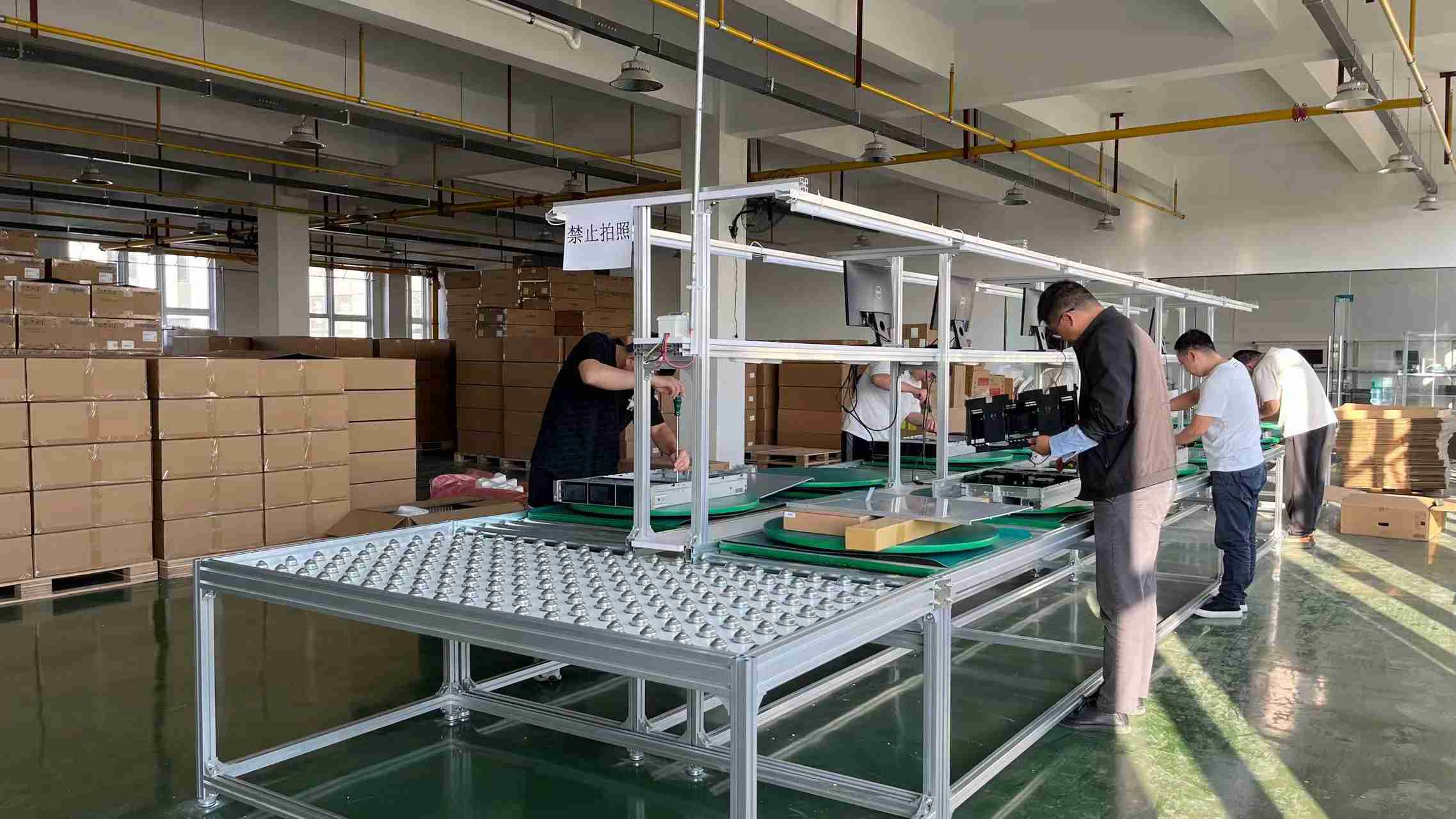
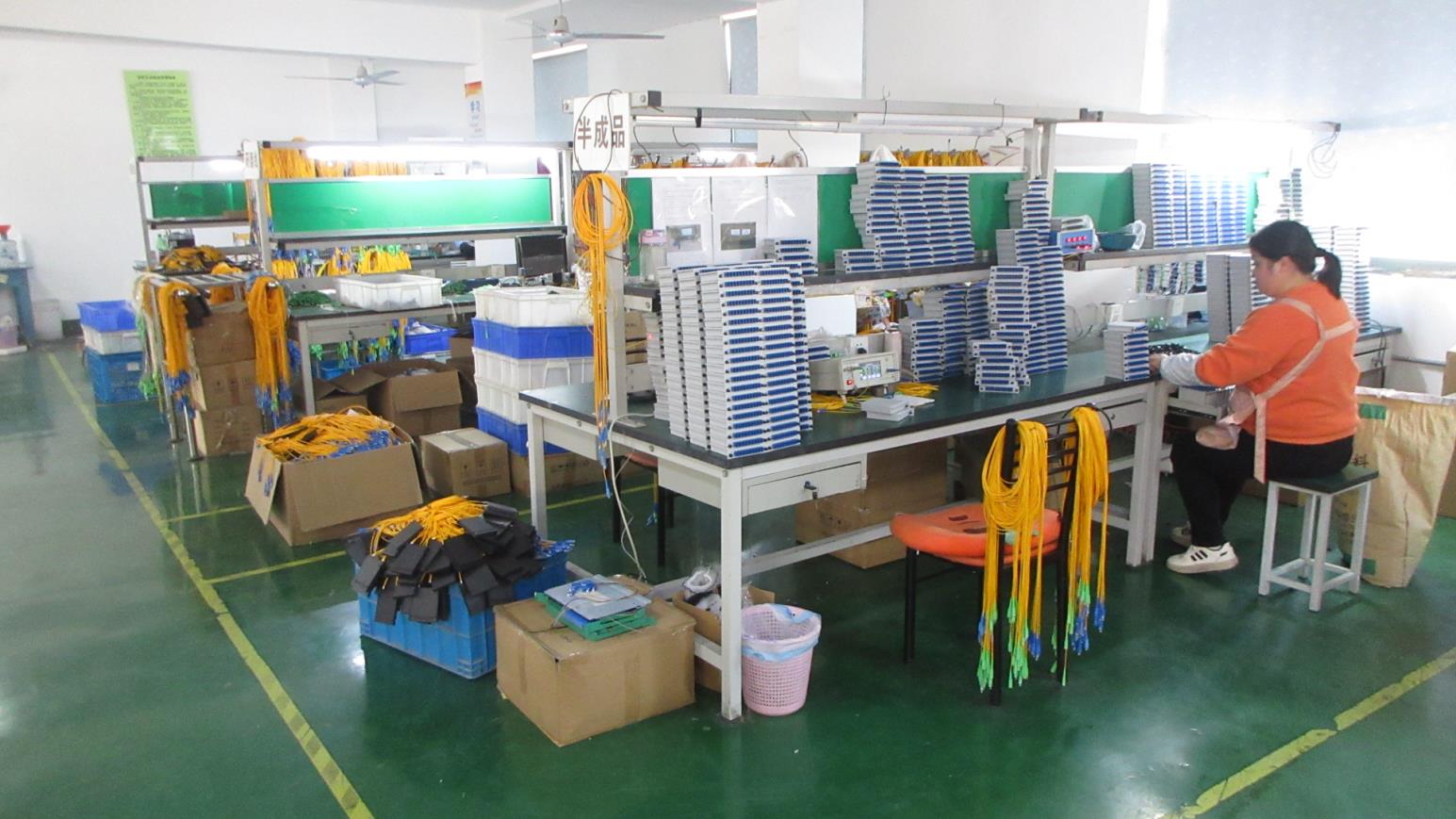
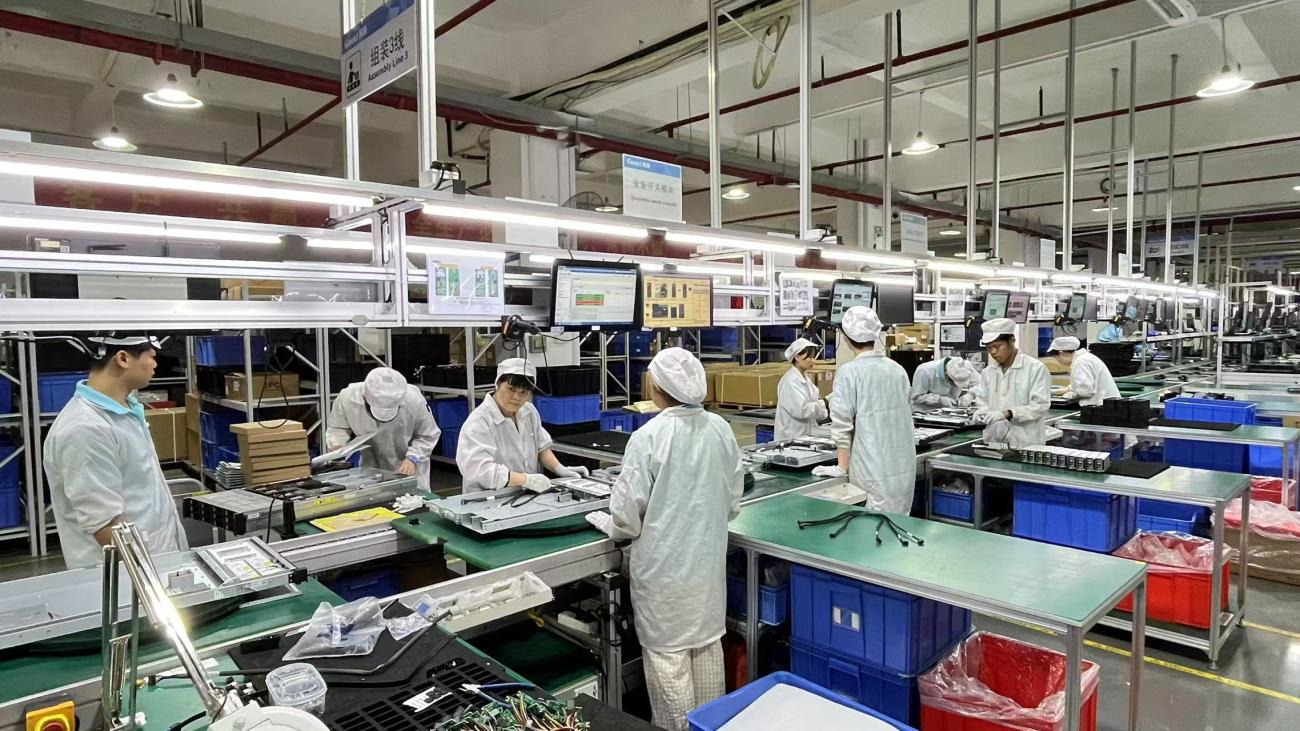
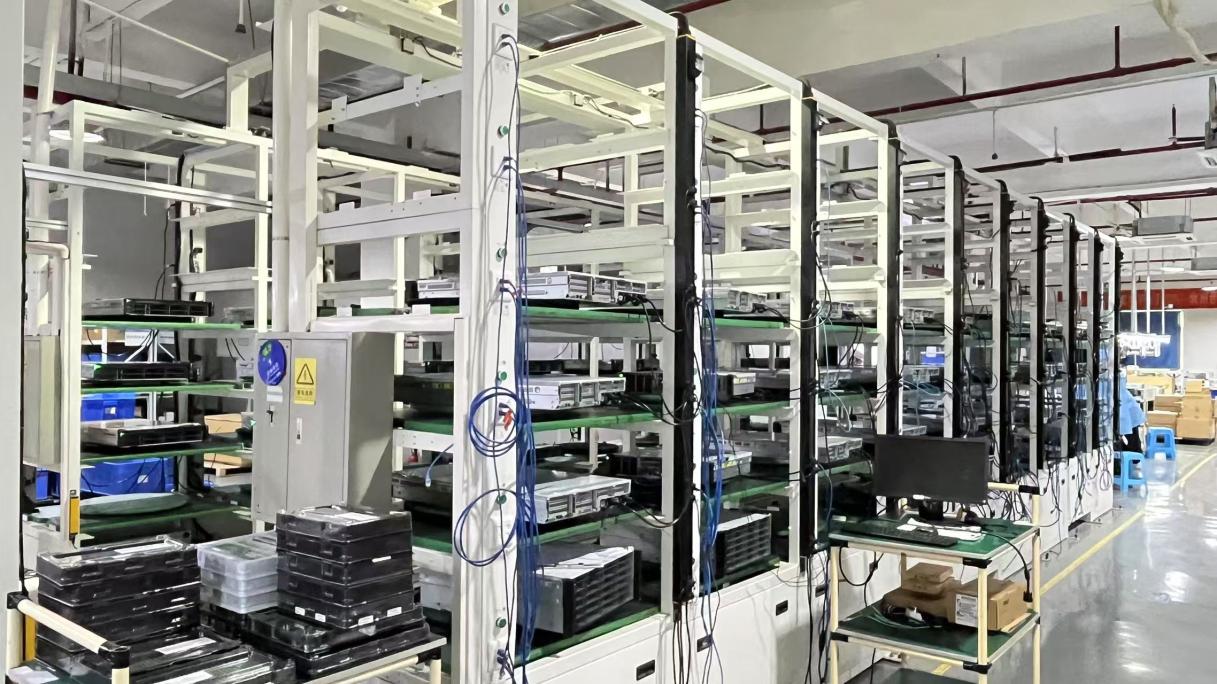
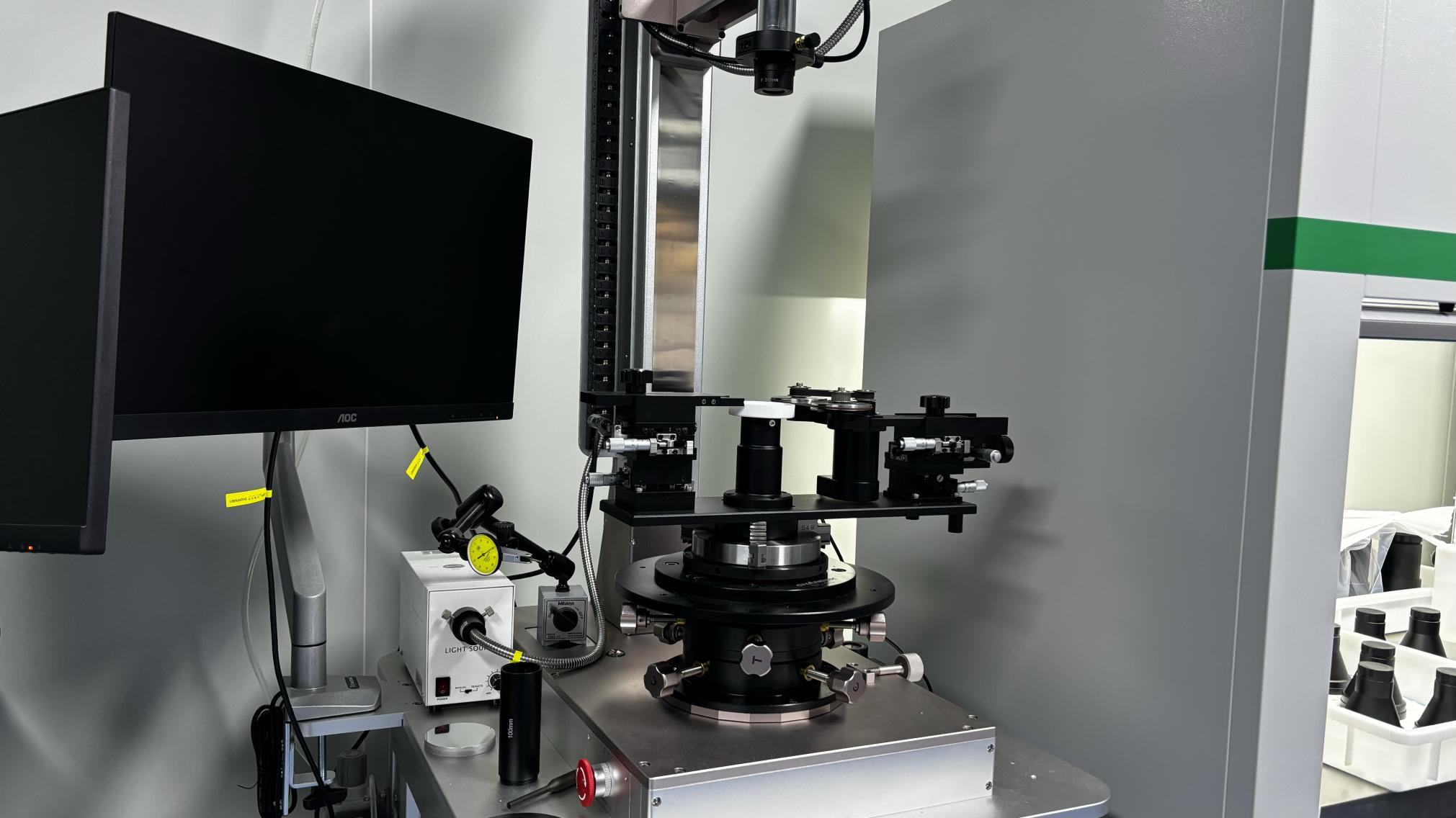
A look inside our manufacturing processes, cleanroom production lines, and quality control departments.


 LumoWave