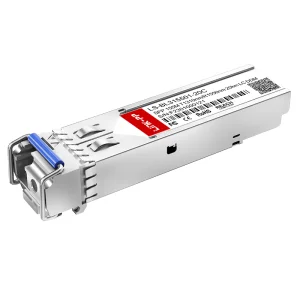
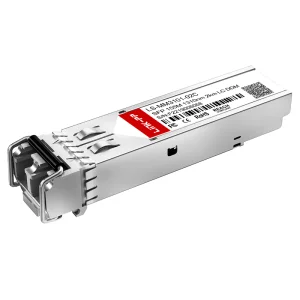
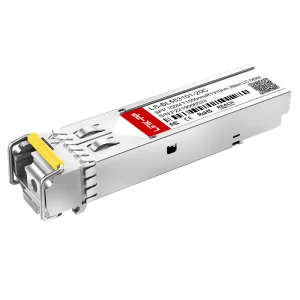
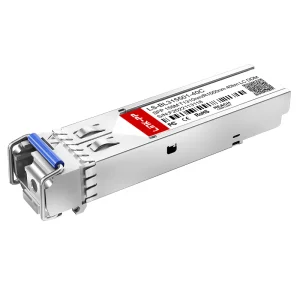
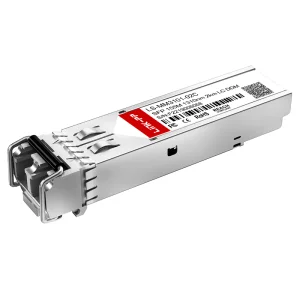
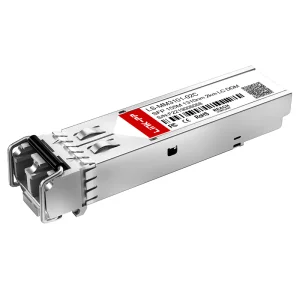
Highly compatible 155M optical transceivers engineered to withstand challenging maritime and industrial communication environments.
Busan, as the undisputed maritime gateway of South Korea and the world's 6th busiest container terminal system, operates under extreme environmental constraints and demanding engineering parameters. With the recent rollout of the Busan Smart Port Initiative, shipping terminals, container yards, and automated logistics networks are migrating towards intelligent, interconnected architectures.
Despite the rapid adoption of gigabit-speed nodes, the backbone of PLC systems, RTUs, coastal SCADA systems, and railway signaling networks across Busan Metropolitan Area depends highly on 155M and 622M optical fiber communication. These lower-speed interfaces operate with superior optical link budgets over extreme distances, ensuring noise-immune, zero-latency control signals in harsh physical settings.
Understating the long-term roadmap of 155M/622M optical communication in global industrial standards.
Industrial components in marine ports face extreme cold-air exposure in winter and rapid heating inside sealed metal enclosures in summer. Our modules undergo strict thermal shock testing cycles from -40°C to +85°C.
Utilizing premium internal chipsets and enhanced thermal pads, LumoWave transceivers ensure continuous zero-loss packet delivery under harsh environmental changes.
Real-time network diagnostics are crucial for preventing unplanned marine terminal shutdowns. DDM tracks primary telemetry points: Optical Output Power, Input Optical Power, Internal Temperature, Bias Current, and Vcc Supply Voltage.
This allows systems administrators at Busan New Port terminals to anticipate transceiver failures, configure preventative maintenance alerts, and prevent network degradation before it impacts ship-to-shore crane operations.
Modern industrial network rings are rarely built with switches from a single manufacturer. A typical setup might feature a Moxa switch in an outdoor PLC enclosure, a Hirschmann switch in the server room, and a Cisco core switch.
LumoWave modules utilize dynamic EEPROM programming to allow the same SFP transceiver core to operate flawlessly across different switch operating systems without trigger compatibility errors.
Continuous updating of EEPROM firmware blocks to ensure compatibility with newly released switches and firmware updates from manufacturers including Moxa, Hirschmann, Cisco, and Juniper.
Redesigning the transceiver driver IC to reduce average power consumption down to under 0.8W, decreasing heat emissions in dense multi-port DIN-rail enclosures.
Optimizing 155M/622M Simplex (BiDi) transceivers over single-mode fiber (SMF) up to 80km to halve physical cabling infrastructure costs while maintaining deep signal-to-noise margins.
Production Facility
R&D Engineers
Ecosystem Partners
New Designs Yearly
Empowering Busan's engineering sectors with industrial-scale fabrication capabilities and ISO-certified validation gates.
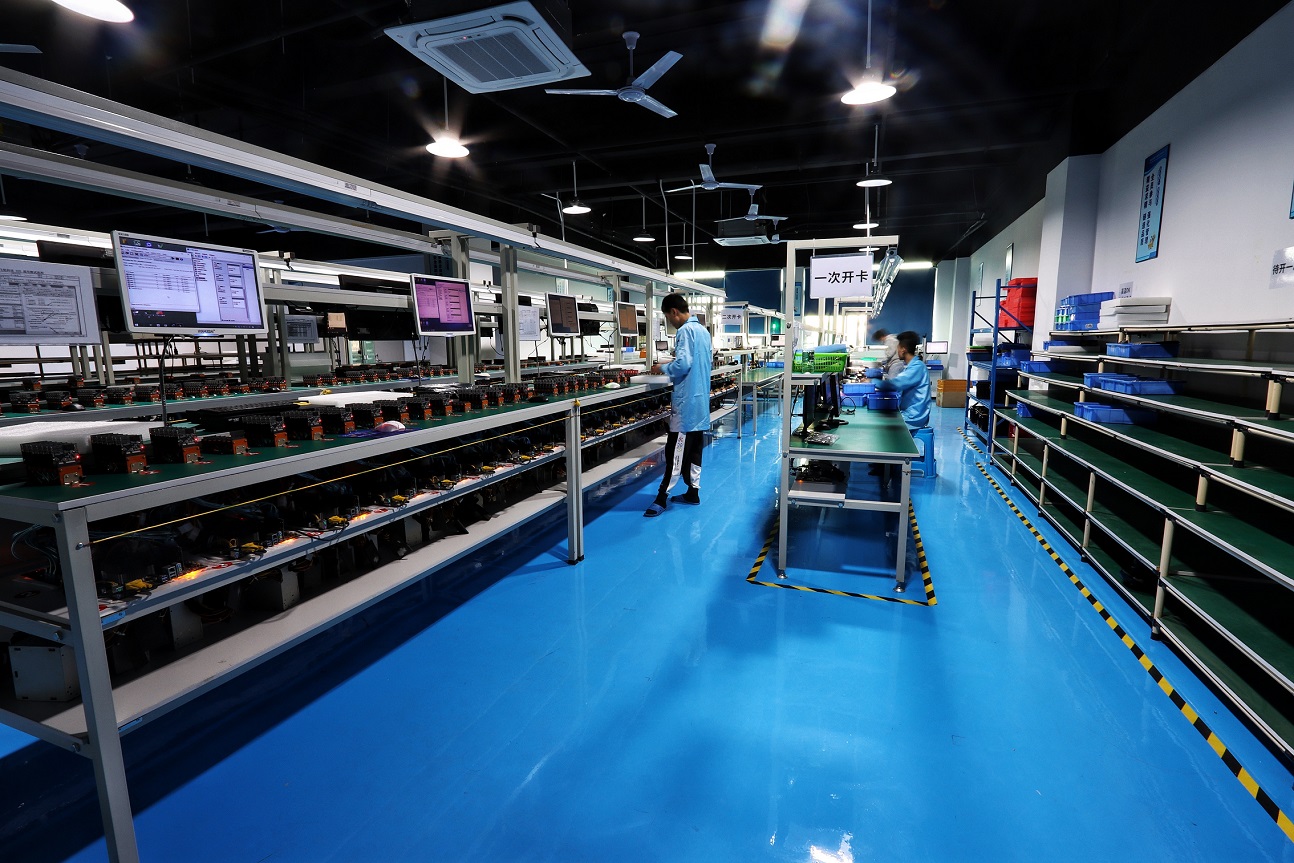
LumoWave operates a comprehensive quality assurance system that covers incoming raw materials to final shipping parameters. Our factory processes follow IQC (Incoming Quality Control), IPQC (In-Process Quality Control), and FQC (Final Quality Control) procedures.
Our test procedures check every critical optical metric. Every transceiver undergoes bit error rate (BER) analysis, optical power output checks, wavelength drift validation under dynamic temperature tests, and high-heat aging processes.
With a staff of 45 quality control personnel monitoring cleanroom zones, we maintain high compliance metrics. Our supply chain handles high-volume procurement and accommodates customization requests such as customized wavelength routing, distance variations, EEPROM coding modifications, and private labeling.
Optoelectronic Component Screening
Automated SMT & Laser Welding
BER & High-Heat Stress Testing
EEPROM Code Verification
Direct engineering pipelines and compliance certifications for seamless integration into South Korean infrastructures.
Our modules align with CE, FCC, and RoHS environmental directives. We provide support for South Korea's KC (Korea Certification) conformity verification to ensure seamless integration into public municipal bids.
Located close to direct air cargo lines from Shenzhen and Hong Kong to Gimhae International Airport and maritime shipping corridors to Busan Port, we offer optimized shipping lead times.
Our R&D engineering team offers technical consultation and troubleshooting assistance, helping resolve complex interoperability challenges in mixed-switch systems.
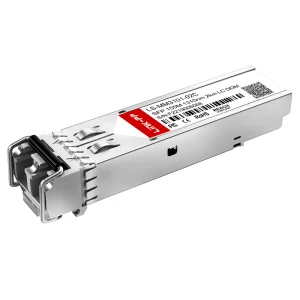
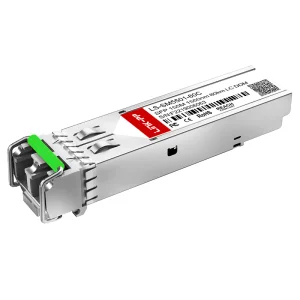
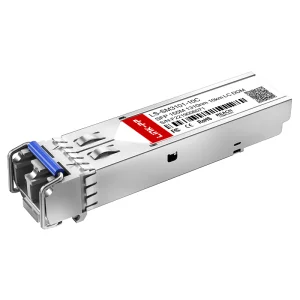
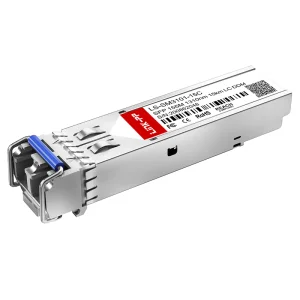
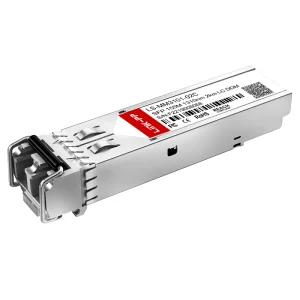
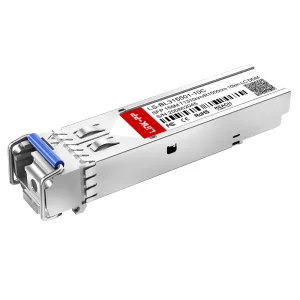
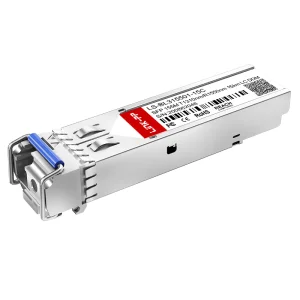
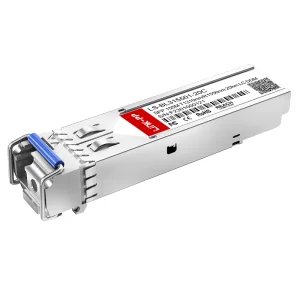
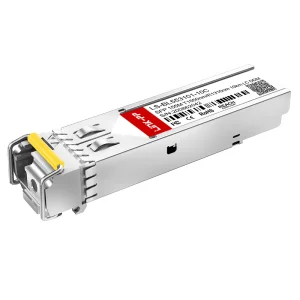
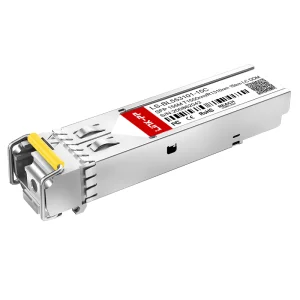
Fully tested Single-Mode, Multi-Mode, Duplex, and Bidirectional (BiDi) 155M/622M SFP transceivers with various optical budgets.
Detailed answers to common questions about industrial optical transceivers for Busan engineering partners.
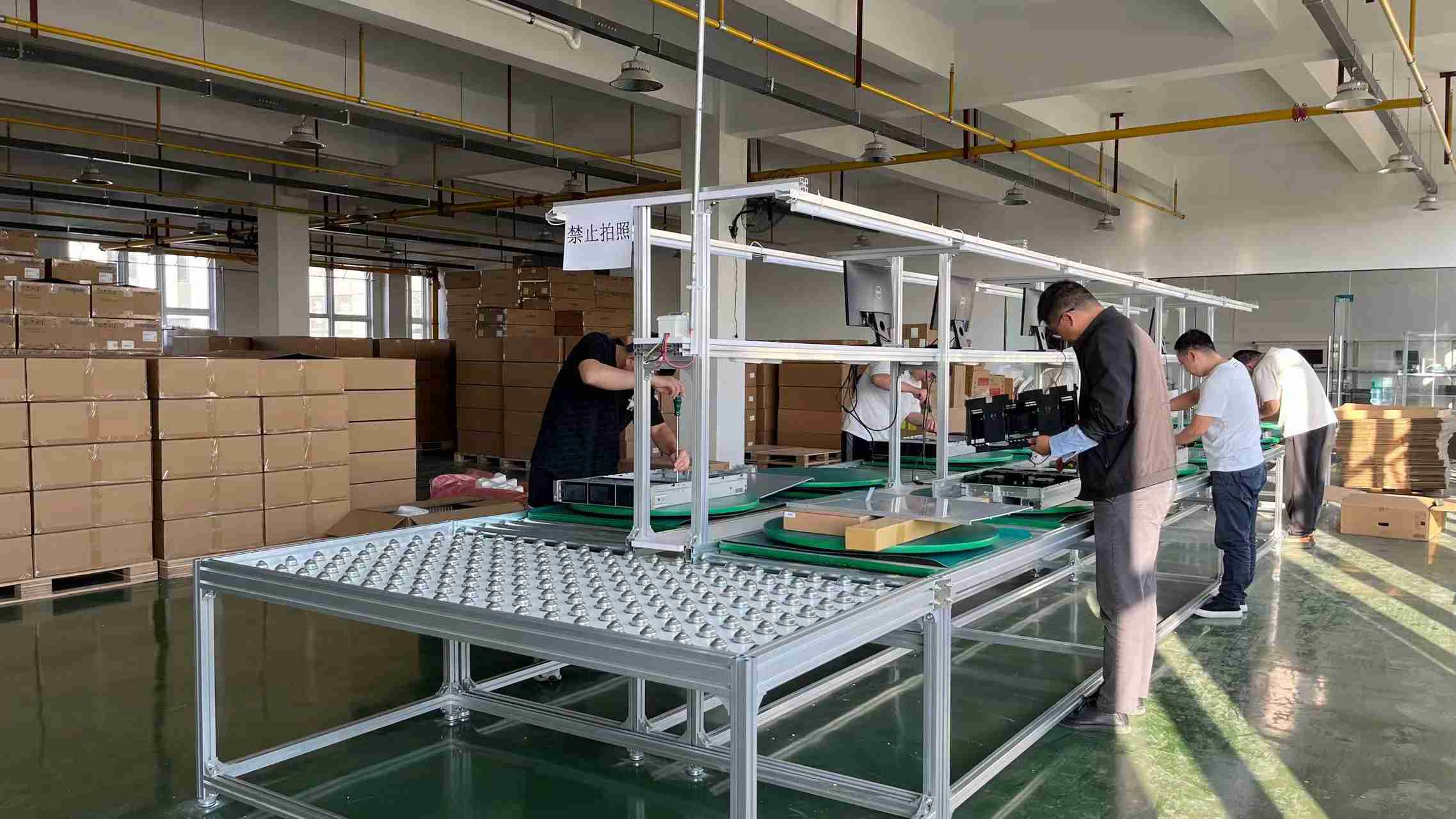
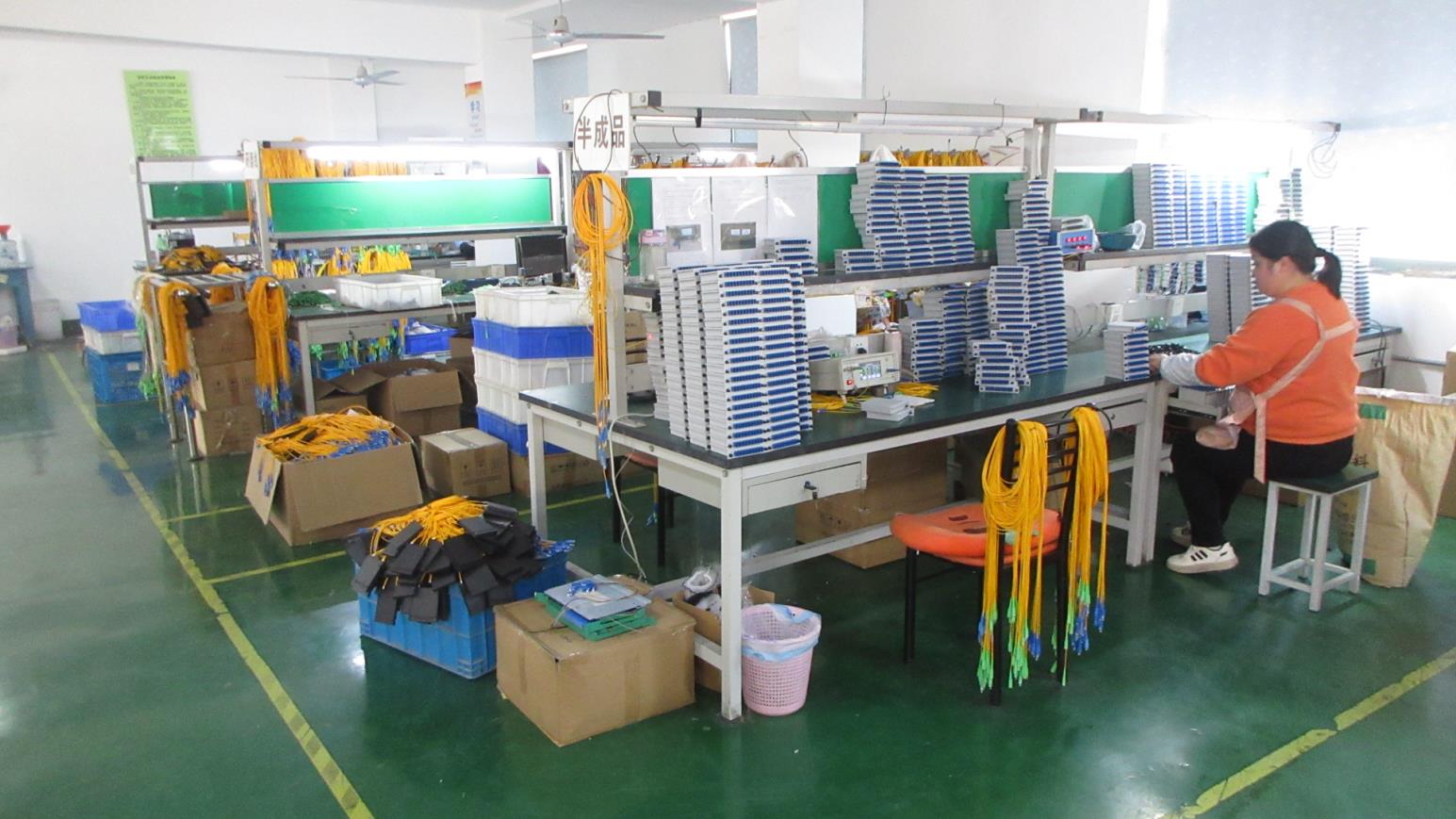
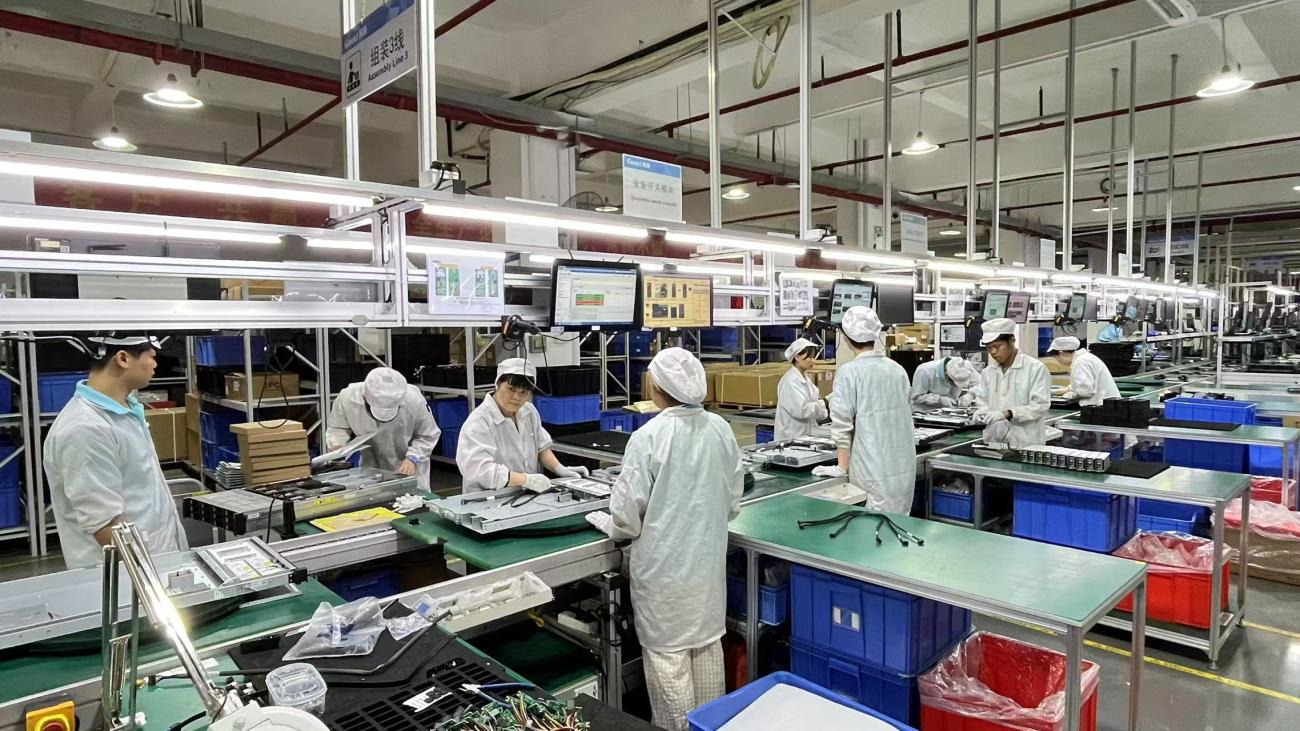
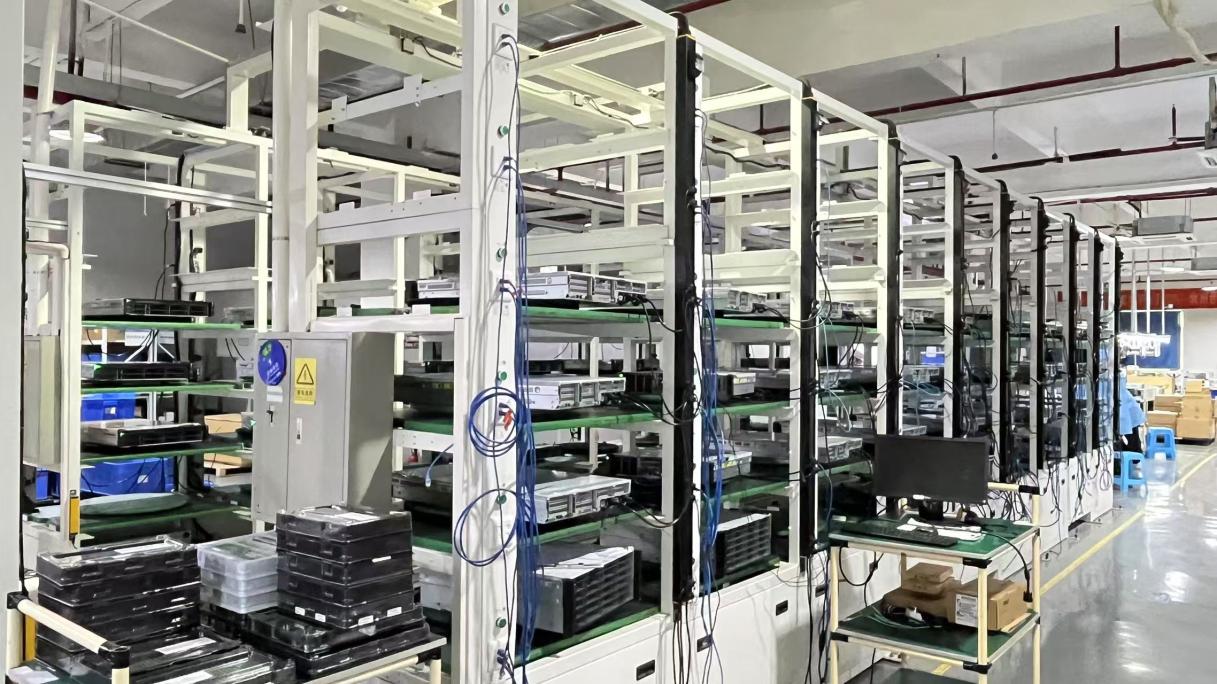
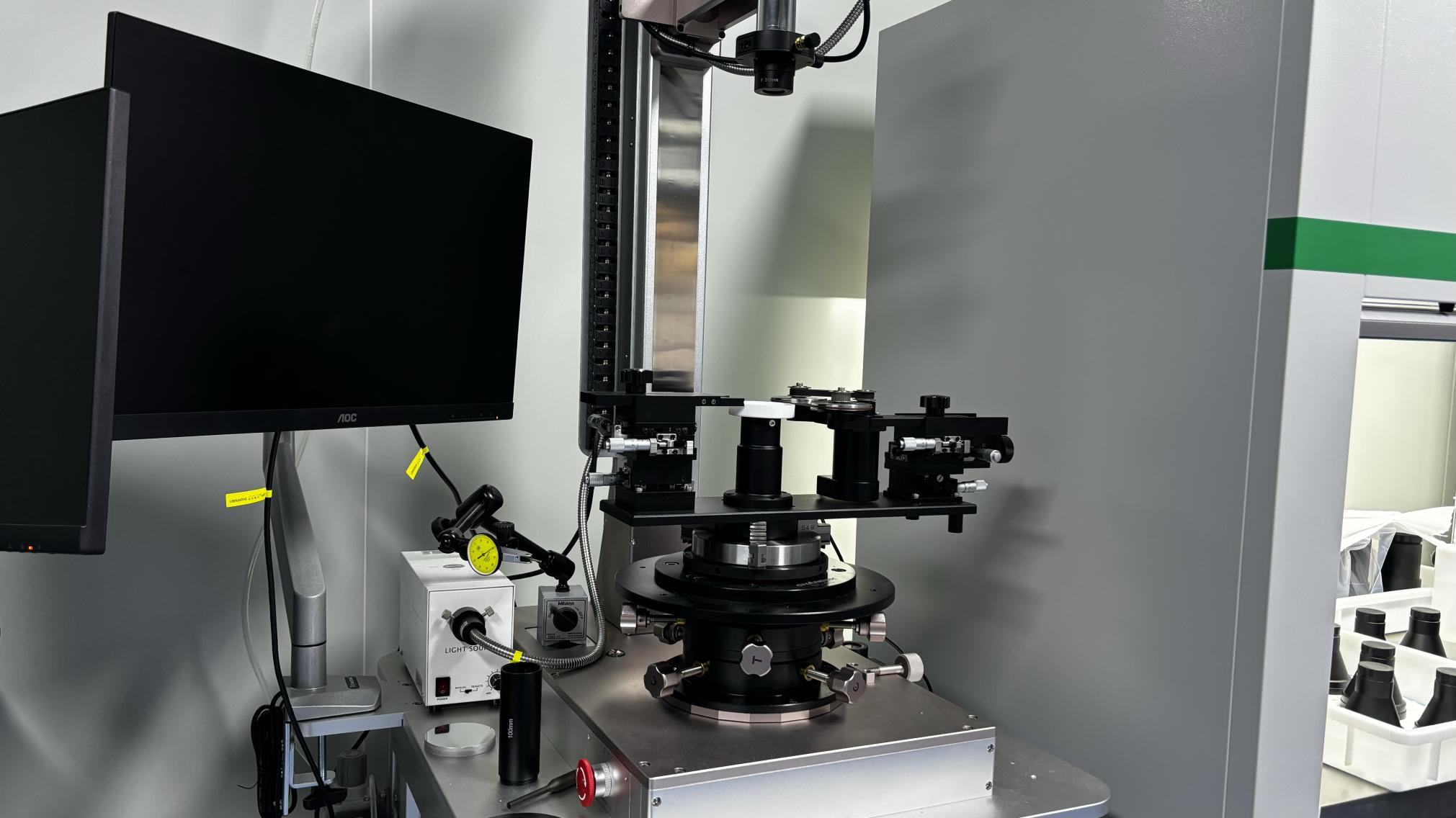
Inside LumoWave's ISO 9001:2015 certified cleanrooms, automated optical testing labs, and high-capacity assembly systems.

Get in touch with our technical sales engineers today. Receive custom firmware configurations, samples, and detailed compatibility verification reports.
Send Inquiry Now LumoWave