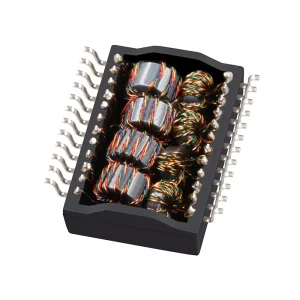
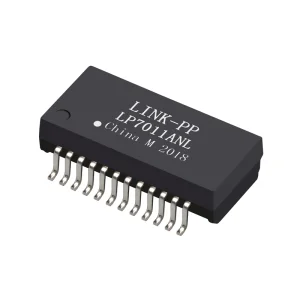
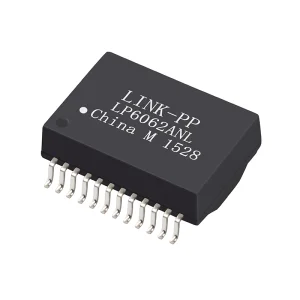
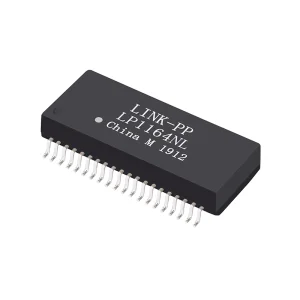
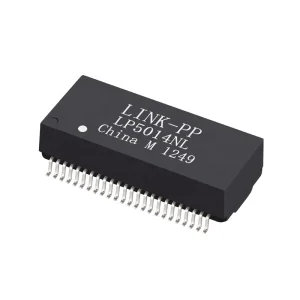
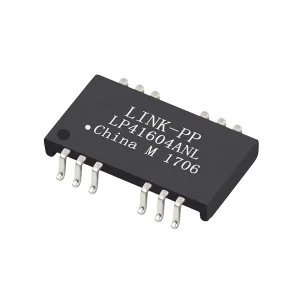
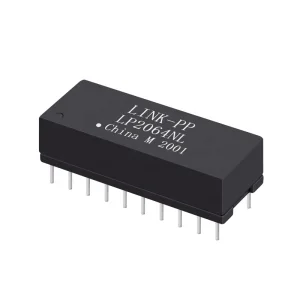
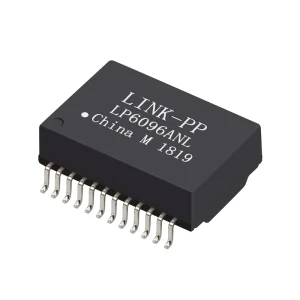
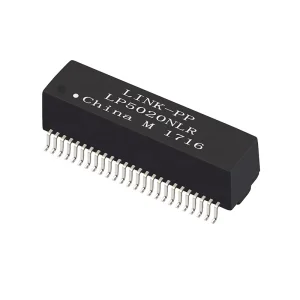
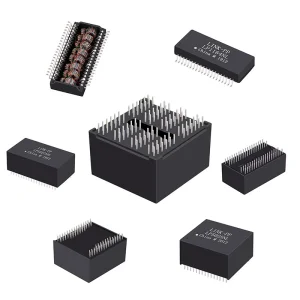
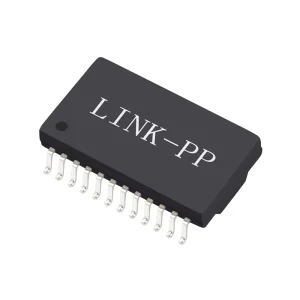
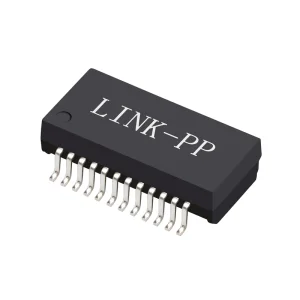
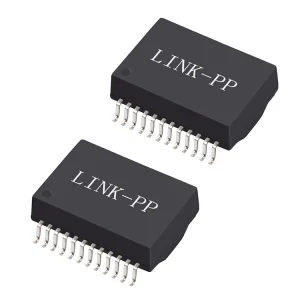
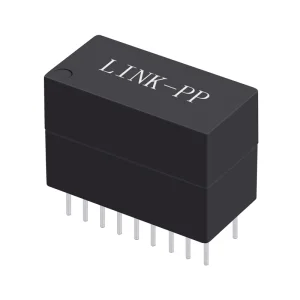
Engineered for low insertion loss, high isolation voltages, and superior thermal stability across mountainous deployment topologies in Lesotho.
Factory Footprint
Industry Expertise
Dedicated R&D Team
Annual Export Value
Lesotho, often called the "Kingdom in the Sky" due to its high altitude, is undergoing an accelerated digital transformation. Backed by government initiatives such as the Lesotho National Strategic Development Plan II (NSDP II) and regional infrastructure funding from institutions like the African Development Bank, the nation is aggressively modernizing its industrial, telecommunications, and energy footprints. Key industrial hubs, from the apparel manufacturing zones of Maseru and Maputsoe to the diamond extraction operations at Letšeng and Kao, require robust local area networks (LANs) to sustain high-uptime Supervisory Control and Data Acquisition (SCADA) operations and enterprise communication systems.
Operating ethernet networks in Lesotho introduces unique environmental constraints. The country’s average altitude exceeds 1,400 meters, with several mining installations and telecommunication towers positioned at altitudes scaling over 3,000 meters. High altitude leads to reduced atmospheric density, which directly impacts the dielectric breakdown strength of air and worsens heat dissipation. Standard commercial magnetics designed for sea-level conditions are prone to early insulation degradation and thermal failure under these parameters. Our LAN Transformers are custom-designed to address these challenges, leveraging enhanced insulation barriers, optimized coil spacing, and high-permeability ferrite cores that maintain signal integrity and ensure a minimum of 1500Vrms isolation under high-altitude physical demands.
Additionally, Lesotho’s geographic vulnerability to intensive lightning storms during the summer wet season necessitates hardware with superior Electrostatic Discharge (ESD) shielding and transient voltage protection. Standard LAN setups can easily experience induced currents from lightning strikes on external structures. Integrating our specialized magnetic designs featuring integrated common-mode chokes at the physical layer ensures that sensitive PHY transceiver ICs remain completely isolated from dangerous voltage surges, limiting localized infrastructure down-time.
As networks evolve, the requirements placed on the physical magnetic interface become increasingly complex. In modern industrial deployments, the LAN transformer is no longer just a simple passive component for electrical isolation; it is the critical gateway ensuring high SNR (Signal-to-Noise Ratio), minimizing insertion loss, and distributing DC power across Ethernet lines without degrading data signals.
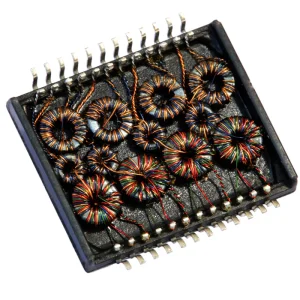
While legacy telemetry infrastructure in Lesotho still relies on reliable 100 Base-T protocols for low-bandwidth sensors, modern corporate, municipal, and carrier networks demand Gigabit Ethernet (1000 Base-T) and 10G Base-T backhauls. Higher frequencies (up to 500 MHz for 10G networks) demand strict manufacturing tolerances. As frequencies scale, parasitics such as inter-winding capacitance (Cww) and leakage inductance (Lk) must be strictly controlled to prevent cross-talk and preserve signal shapes. Our technical roadmap incorporates automated winding processes and precise toroidal placement, reducing parasitic capacitance below 15pF, ensuring our components easily satisfy or exceed IEEE 802.3 standard requirements.
Powering devices via Ethernet cables simplifies installations by eliminating dedicated power lines—a significant advantage for remote telecommunication sites across the Lesotho highlands. However, transmitting up to 90W of DC power (under IEEE 802.3bt PoE++) introduces saturation risks in the transformer's magnetic cores. Our design engineers optimize saturation current limits (Isat) by selecting specialized ferrite core geometries and chemistries, allowing high DC bias currents (up to 1A per pair) without compromising signal transmission characteristics. The result is a robust, clean power-and-data-delivery mechanism that remains operational in extreme conditions.
Our LAN magnetic components serve as essential building blocks across three key industrial sectors in Lesotho:
Collaborating with local regional operators and internet service providers, we supply low-loss Ethernet filters and telecom transformers for GPON, EPON, and metropolitan optical termination units. By combining our parent group’s high-speed optical transceiver capabilities (ranging from 10G to 800G) with high-density copper LAN interface components, we provide an end-to-end signal conversion infrastructure for reliable broadband delivery in Maseru, Leribe, and Mafeteng.
Underground and open-pit mining operations rely heavily on ethernet-based sensors to monitor structural integrity, gas levels, and heavy machinery performance. The extreme vibrations and dust present in these locations demand resilient magnetic modules. Our THT dual-port and quad-port LAN filters feature reinforced mechanical potting and high-temperature epoxies, ensuring long-term reliability where generic modules fail.
The Lesotho Highlands Water Project (LHWP) and local solar installations require high-performance, noise-immune communication networks to manage power grids. Common-mode noise generated by high-power inverters can corrupt ethernet data packets. Our products integrate specialized common-mode chokes that isolate control networks from electrical noise, ensuring uninterrupted grid management.
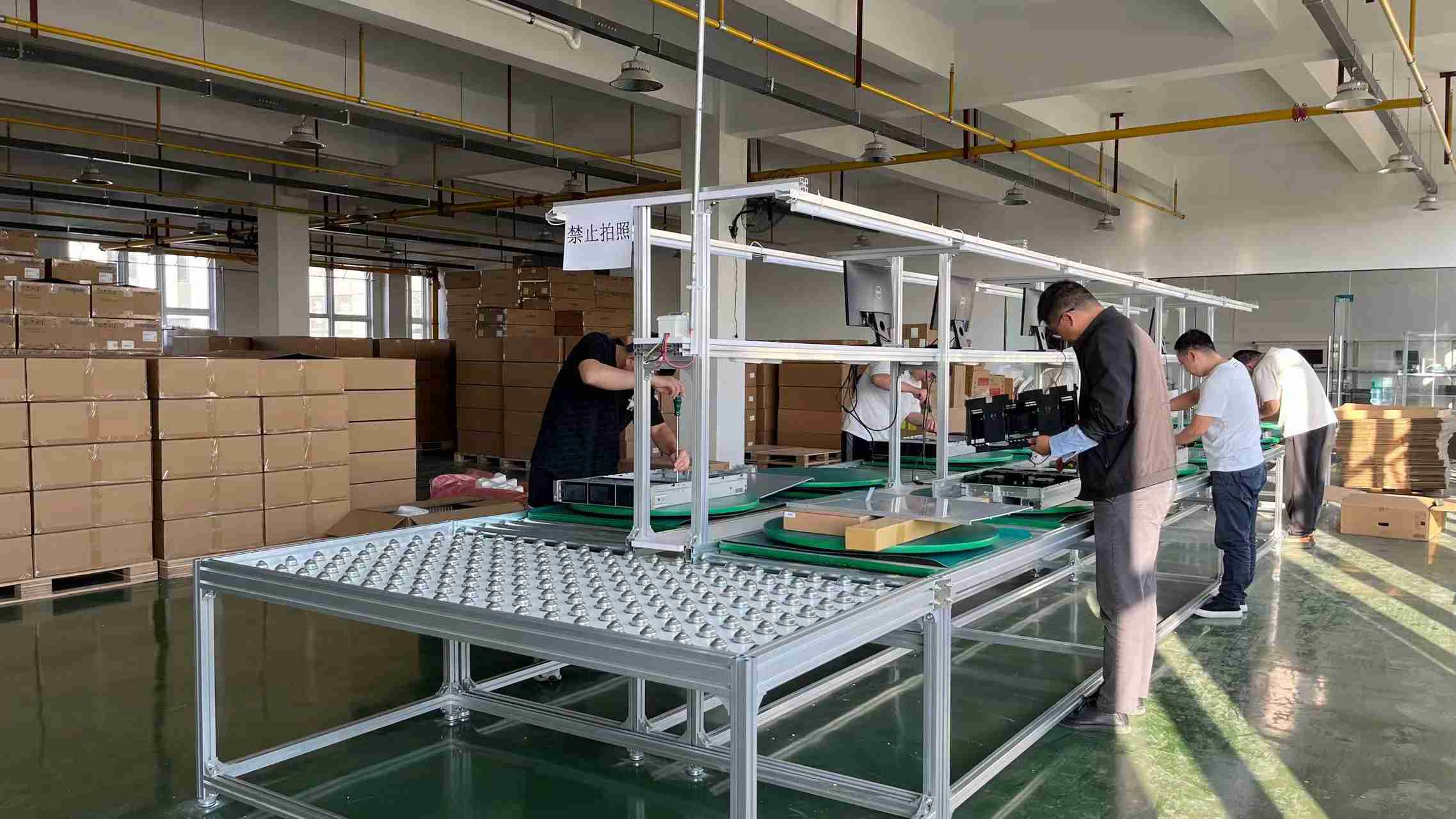
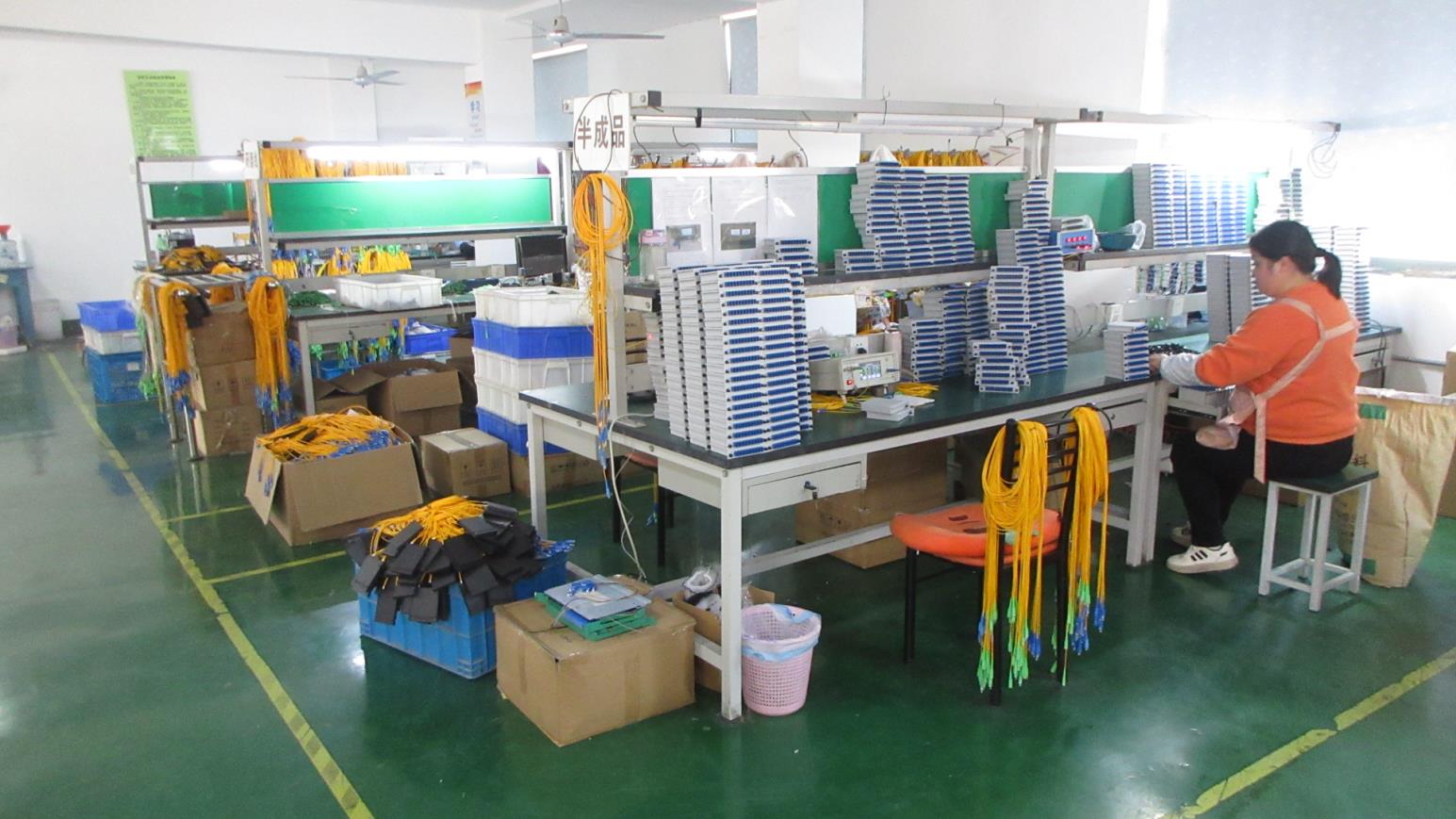
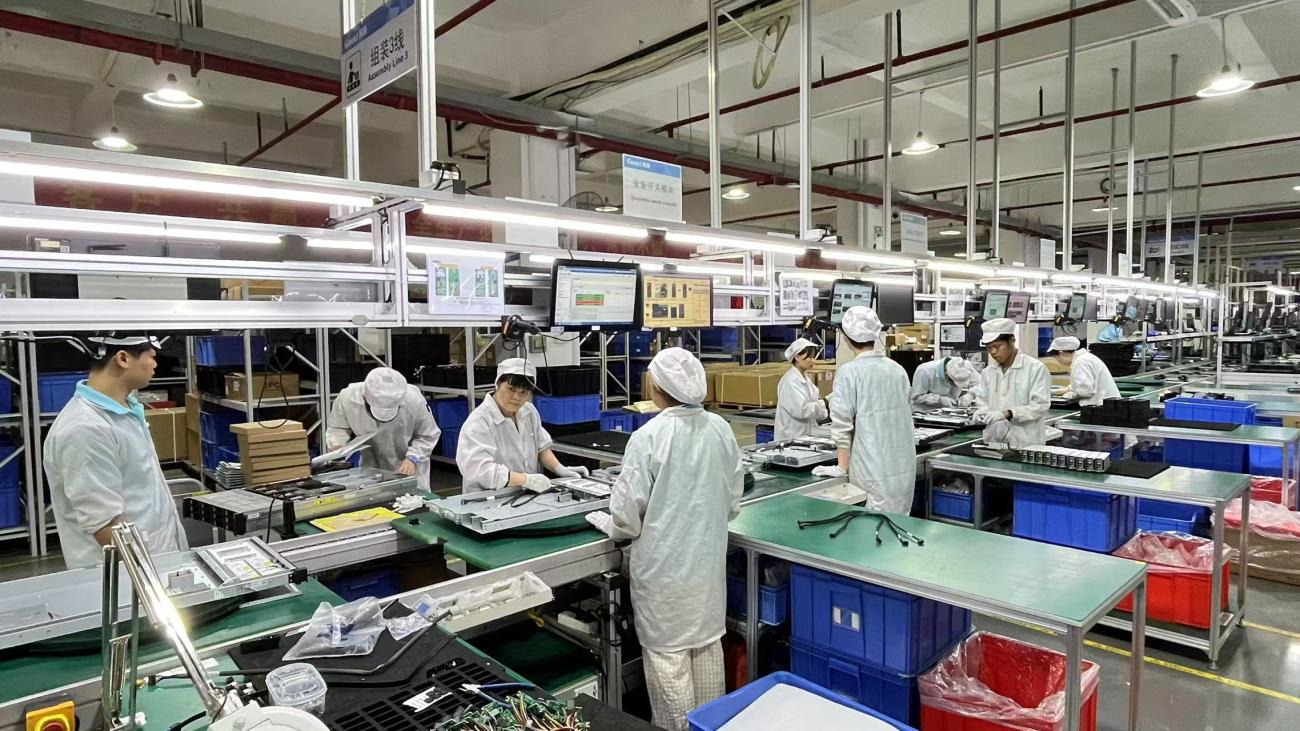
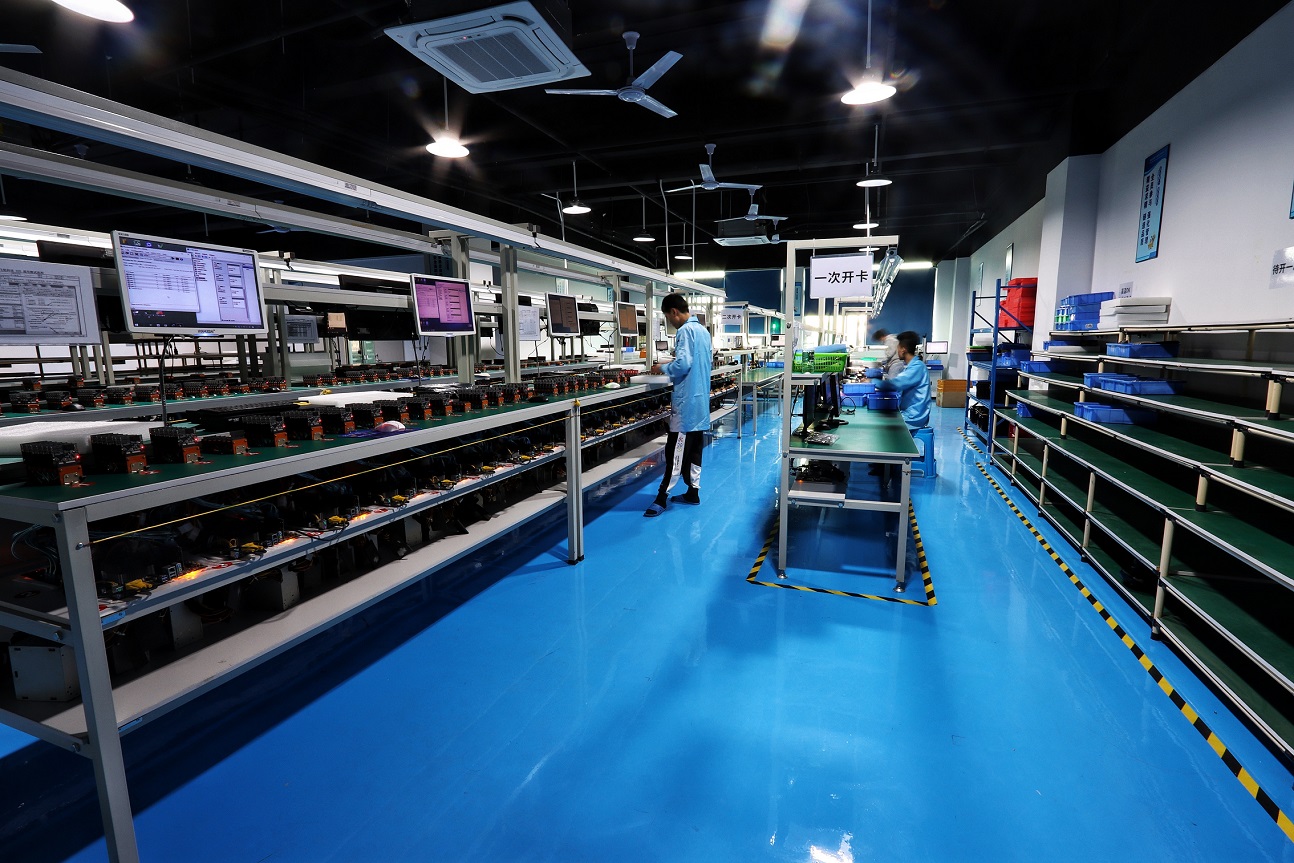
LumoWave Optical Technology Co., Ltd. operates a comprehensive modern production plant covering approximately 320,000 square meters. Leveraging advanced automated winding systems, computerized wire tension controllers, and automatic testing stations, our facilities guarantee precise unit-to-unit consistency. Automation minimizes human error, resulting in stable leakage inductance and high manufacturing yields that enable highly competitive pricing.
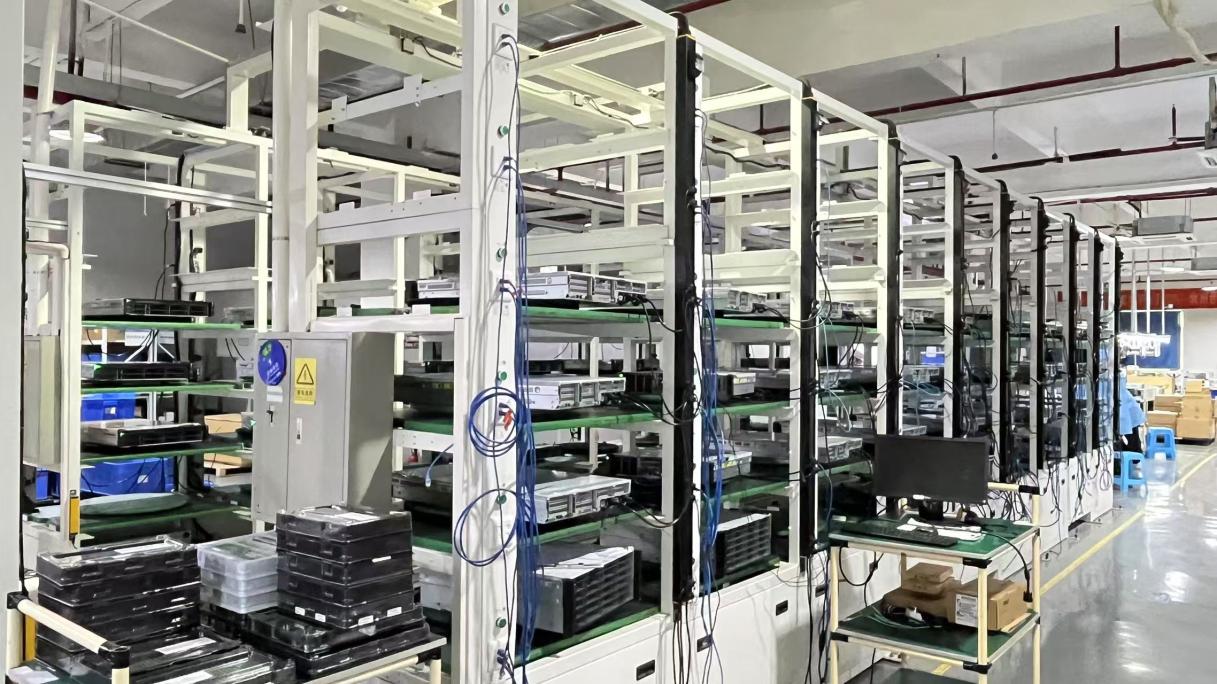
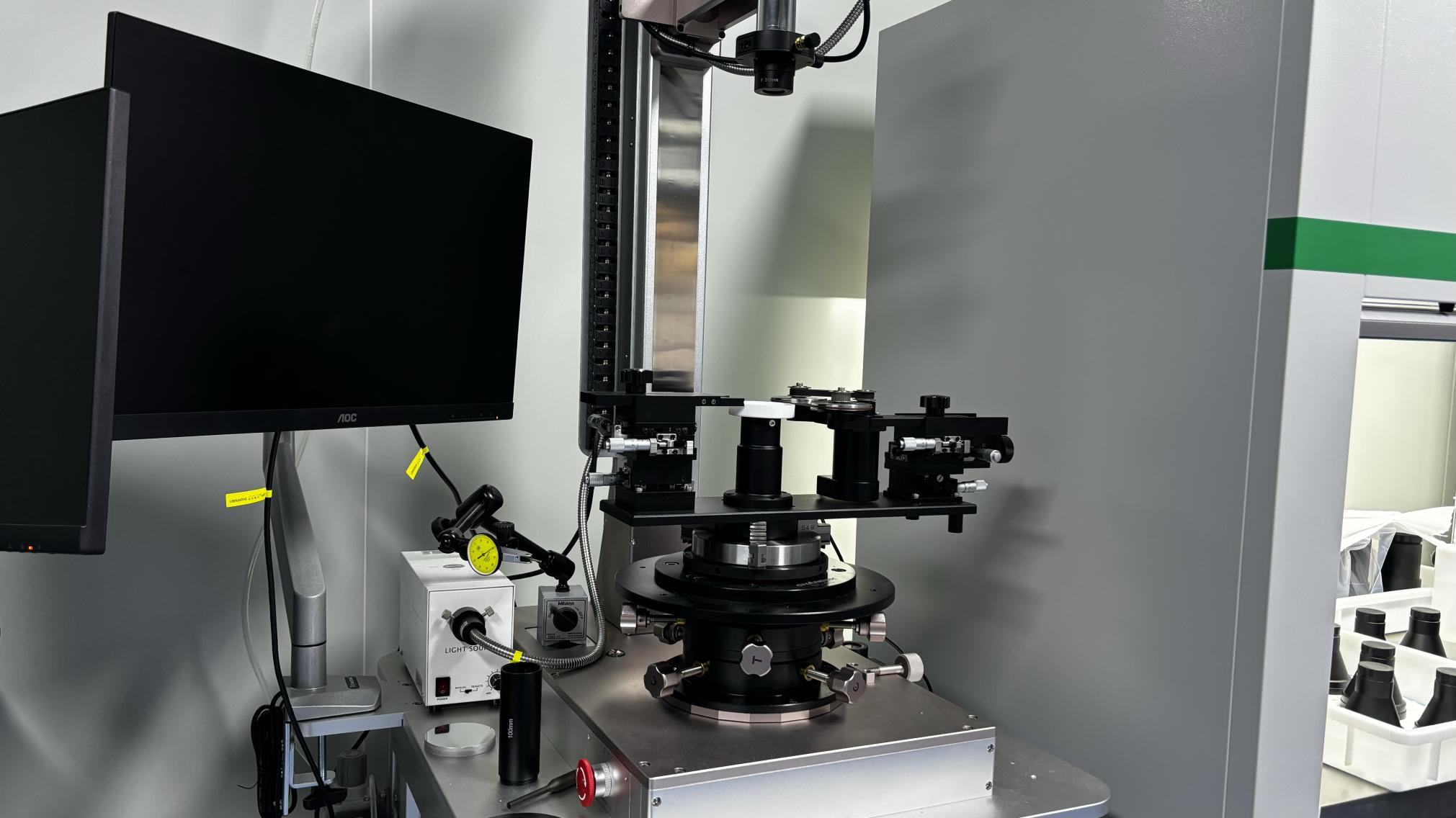
Our quality management workflow encompasses three rigorous testing phases:
Supported by a comprehensive network of over 1,200 upstream and downstream partners, we maintain a robust supply chain that remains resilient against raw material shortages. Our logistics network enables rapid shipping from our production hubs directly to Johannesburg (OR Tambo International) and Durban Port, facilitating efficient overland delivery to Maseru, Lesotho.
Browse our extensive selection of LAN transformers, telecom filters, and SMT modules. All links redirect to our detailed technical datasheets.
Successfully delivering electrical infrastructure components to Lesotho requires a thorough understanding of regional trade protocols and compliance frameworks. As a member of the Southern African Customs Union (SACU) and the Southern African Development Community (SADC), Lesotho aligns its import regulations with international electronic standards. Our manufacturing processes are fully compliant with RoHS and REACH environmental guidelines, ensuring that our products meet SABS (South African Bureau of Standards) and local Lesotho communications authority rules.
Our logistical pipeline is optimized for efficient transit into Lesotho. Once orders leave our factory, they are flown directly to Johannesburg's OR Tambo International Airport or shipped to Durban Port. From there, they travel via bonded road freight through the Maseru Bridge or Maputsoe border posts directly to your facility. We handle all customs documentation, transit declarations, and Certificate of Origin filings, minimizing processing delays at regional borders.
Get answers to common technical, commercial, and logistical questions about our LAN transformers and magnetic modules.
Our high-altitude LAN transformers feature optimized insulation barriers, high-quality potting epoxies, and customized wire spacing. These design choices prevent dielectric breakdown (corona effect) in low-pressure atmospheres and maintain high voltage isolation (1.5kVrms to 3kVrms) in elevations scaling over 3,000 meters.
Yes. Our R&D team can design drop-in replacements for standard industry models. We can customize pin configurations, package footprints (SMD/THT), and internal turn ratios to match your hardware's specifications.
Under IEEE 802.3bt PoE++ (up to 90W), high DC currents travel through the transformer windings, generating heat. We address this by using thicker copper wire gauges and low-resistance cores, keeping temperature rise within safe operational limits.
Air freight delivery to Maseru (via Johannesburg) typically takes 7 to 10 working days. Ocean freight shipments to Durban, followed by land transport to Lesotho, average 35 to 45 days. We provide tracking and custom documentation support for both shipping methods.
Yes. All of our LAN transformers and magnetic filters are manufactured with lead-free solder and compliant materials, meeting RoHS and REACH environmental regulations.
A tour of our manufacturing floor, testing lines, and logistics warehouses, highlighting our commitment to quality control.

Contact our engineering team to request sample kits, ask for custom specifications, or discuss high-volume pricing for the Lesotho and broader Southern African markets.
Send Inquiry Now LumoWave