Explore our foundational connection hardware bridging copper edge distribution to high-capacity optical backbones.
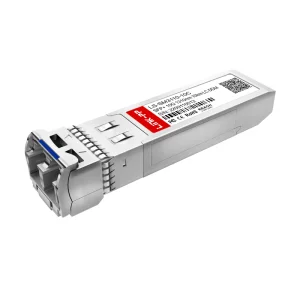
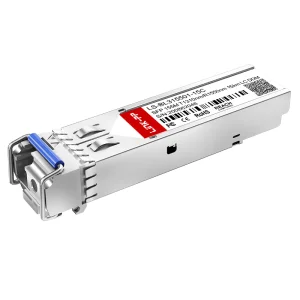
A specialized infrastructure manufacturer powering modern carrier-grade networks, high-density data centers, and enterprise ethernet topologies.
Under our signature brand LumoWave, we operate as a leading OEM/ODM partner providing integrated physical layer connectivity solutions. Founded in 2016, LumoWave bridges high-speed optical transceivers (ranging from 10G to 800G) with ruggedized copper interface components. This encompasses modular RJ45 sockets, magnetic integrated connectors (Magjacks), and high-frequency network transformers essential to structured cabling layouts.
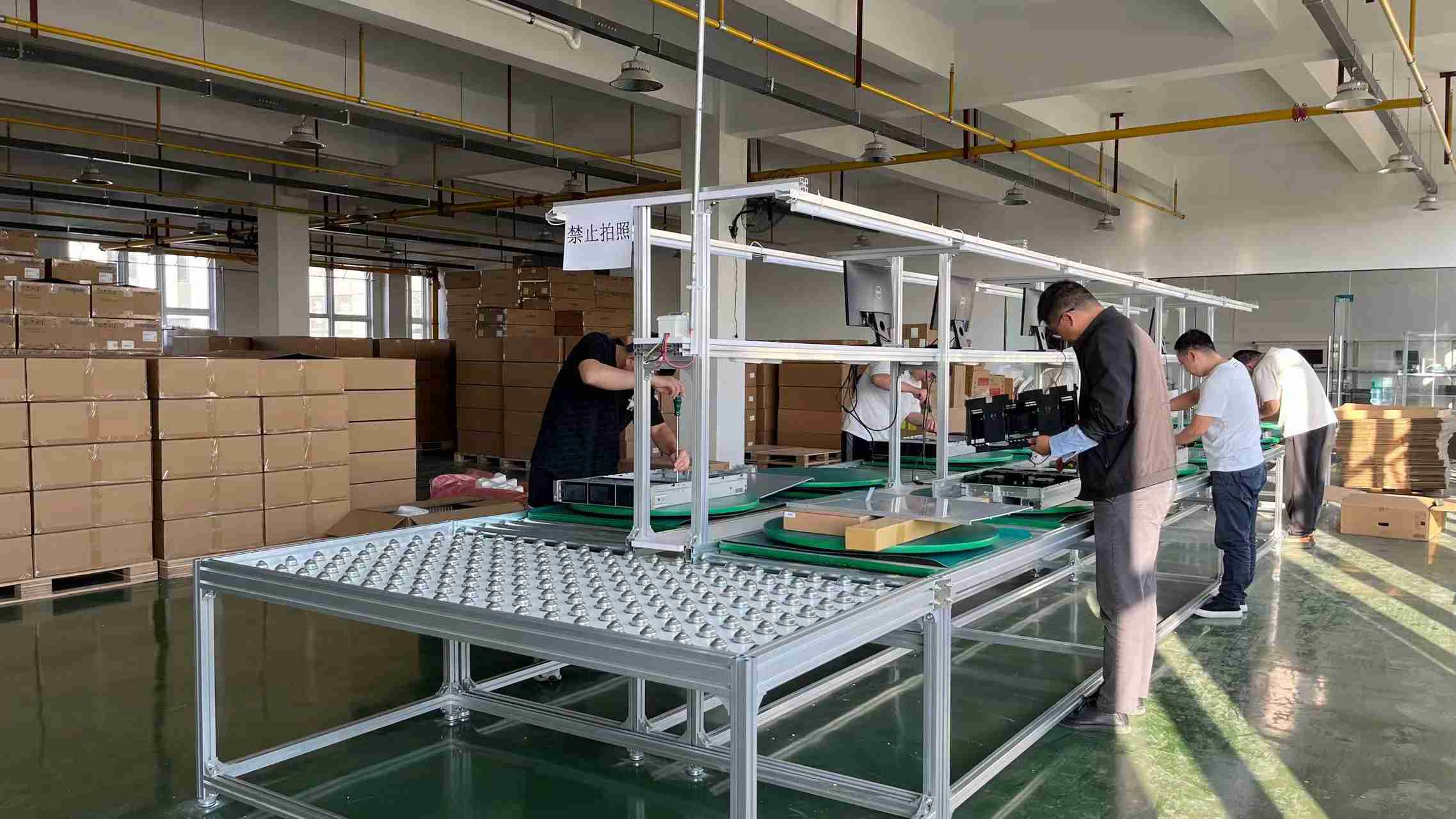
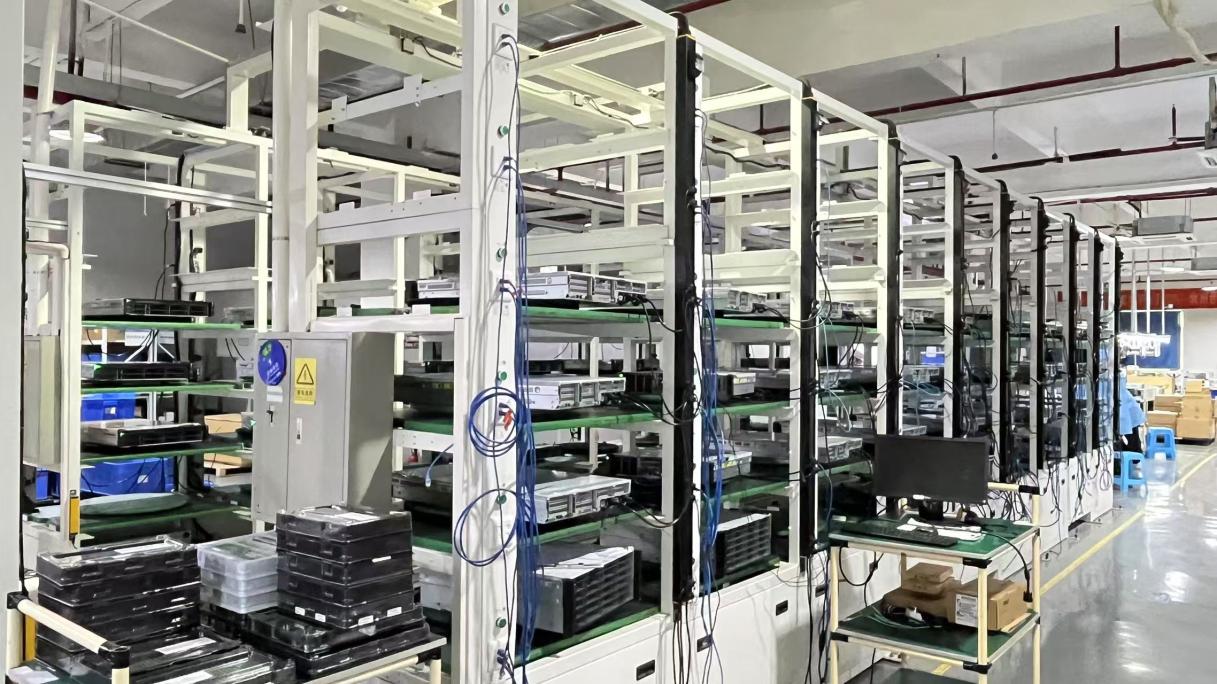
Our expansive 320,000㎡ production facility integrates automated component assembly and sophisticated testing environments. Backed by 12 years of industry expertise and 8 years of export delivery, LumoWave maintains a global logistics footprint. Today, our annual export revenue reaches $12 million, proving our engineering reliability across North America, Europe, Southeast Asia, and the Middle East.
LumoWave collaborates with over 1,200 upstream and downstream partners to sustain a resilient supply chain. Our client base spans cloud service providers, hyperscale data center operators, telecom carriers, and original equipment manufacturers (OEMs).
Analyzing industrial parameters, market movements, and engineering innovations defining Ethernet deployment.
The global Cat6 RJ45 connector market is experiencing a profound transition driven by the dense expansion of edge networks and Power over Ethernet (PoE++) devices. Industrially, the RJ45 interface remains the undisputed standard for local area network (LAN) drops. It bridges endpoints like IP cameras, wireless access points, and IoT gateways to central switches.
As smart manufacturing and building automation accelerate, industrial-grade Cat6 RJ45 connectors with metal shielding and IP67 dustproof/waterproof housings are replacing unshielded variants. These solutions minimize downtime and guarantee electromagnetic compatibility (EMI) in harsh factory environments.
Power over Ethernet (PoE) Dominance: Modern switches utilize IEEE 802.3bt (PoE++ Type 4) to deliver up to 90W of power over copper lines. Connectors must use thicker 50μ" gold-plated contacts to prevent spark corrosion when unplugged under load.
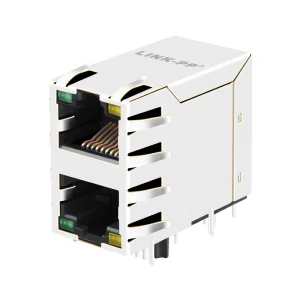
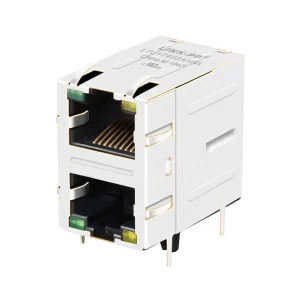
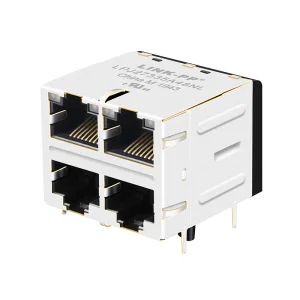
Integrated Connector Modules (ICMs): The integration of magnetic filters, LEDs, and shielding directly within the RJ45 housing (Magjacks) is now mandatory. This design protects sensitive PHY chips from high-frequency electromagnetic noise while reducing overall PCB footprints.
The roadmap for physical connectors focuses on performance optimization up to 250 MHz for Category 6. High-end manufacturing relies on precise internal geometry to control NEXT (Near-End Crosstalk) and FEXT (Far-End Crosstalk).
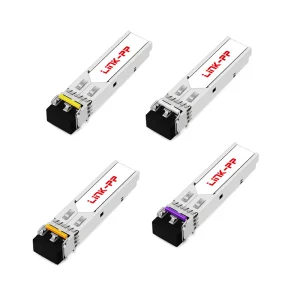
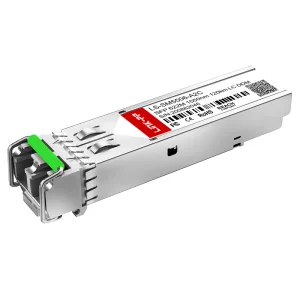
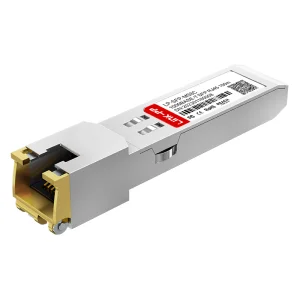
With data requirements climbing, the industry is paving the way for hybrid setups. SFP copper transceivers are converting optical ports to RJ45 interfaces, allowing legacy copper wires to scale up to 10Gbps over short runs. This approach prolongs the lifespan of pre-existing Cat6 patch structures.
How LumoWave's copper-to-fiber integration resolves modern network bottlenecks.
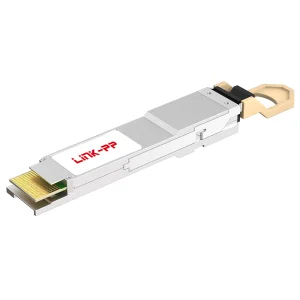
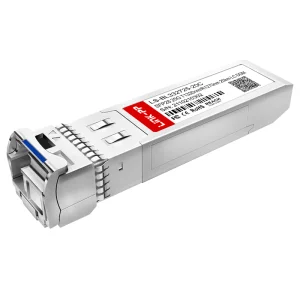
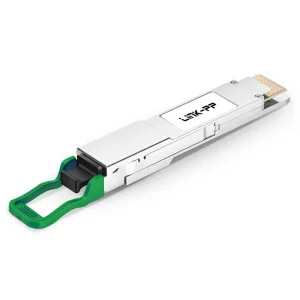
Integrating optical fibers with copper patch panels. While 100G/400G links run on single-mode fiber transceivers (like the 400G QSFP-DD), system management network consoles rely on shielded Cat6 RJ45 connections to ensure steady, EMI-resistant administration loops.
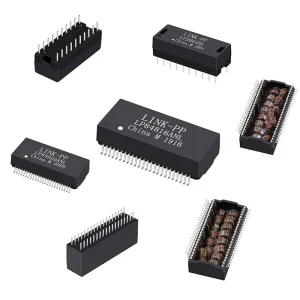
Integrating network transformers (such as the 1000Base-T Telecom Network Transformer) ensures signal isolation and high-frequency noise mitigation. This stabilizes voice and data transmissions over carrier networks.
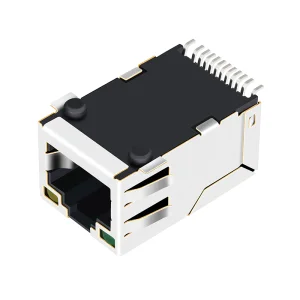
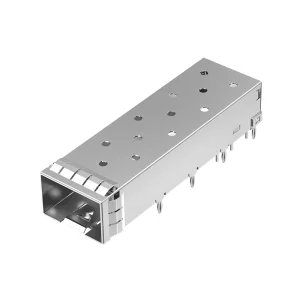
Factories deploy modular jacks with integrated LEDs (like our SMT RJ-45 with G/Y LEDs) for diagnostic indicators right at the port. Shielded press-fit cages prevent electromagnetic interference from heavy manufacturing machinery.
Organizations use Aruba/Cisco-compatible SFP copper transceivers to bridge fiber core switches directly with standard Cat6 copper drops. This layout avoids costly cabling overhauls and leverages existing infrastructure.
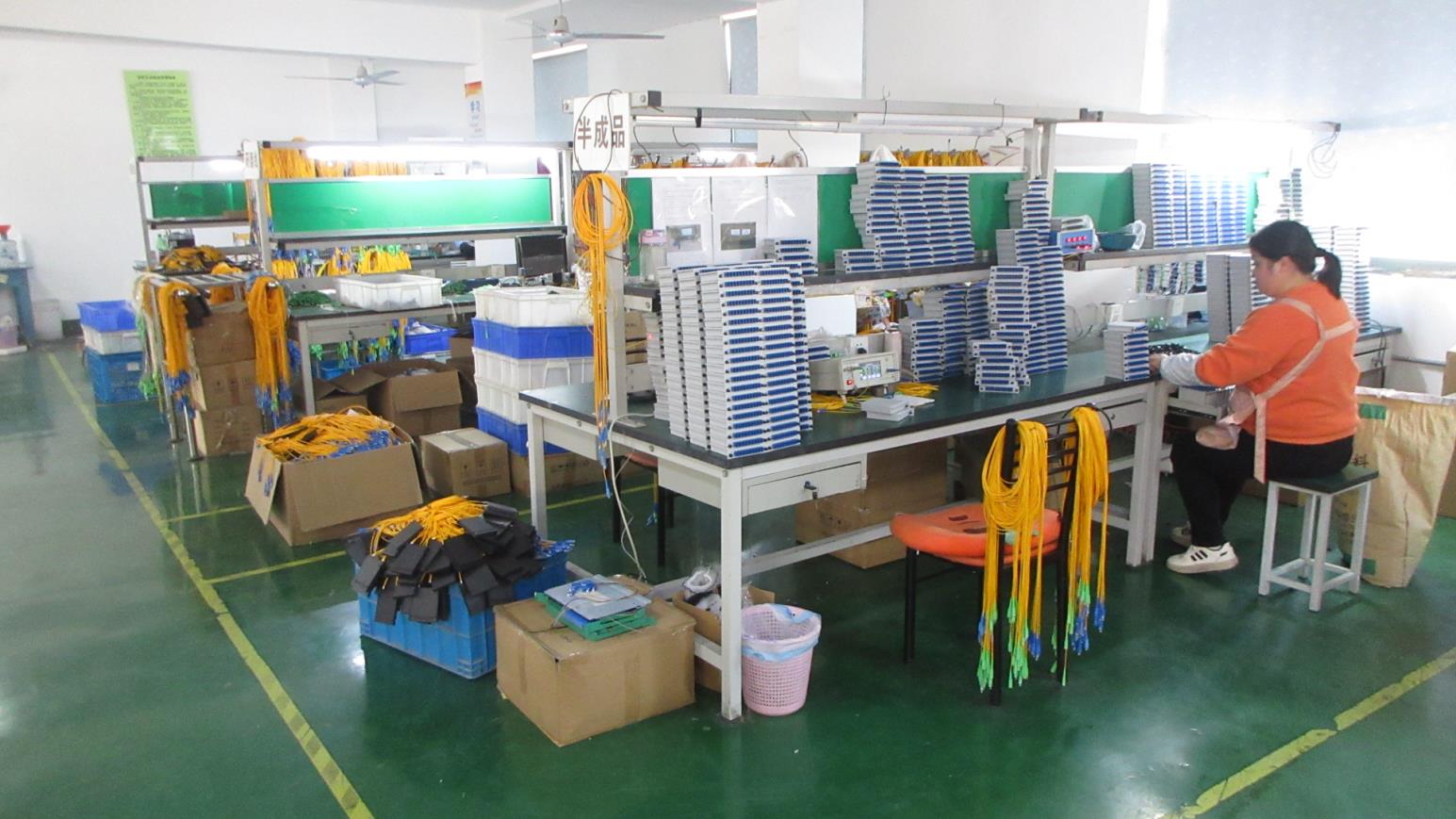
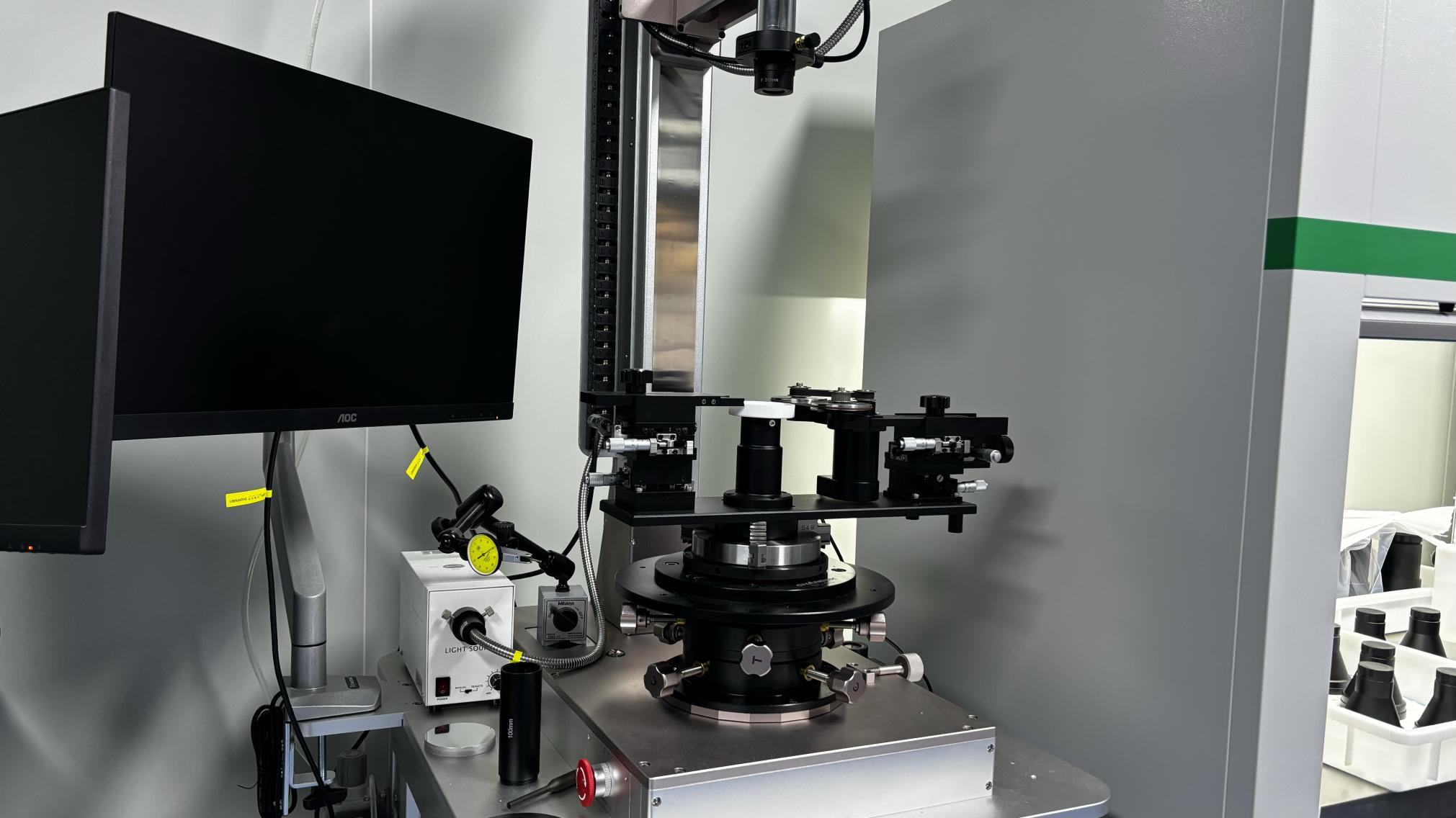
LumoWave guarantees 100% component reliability through a multi-tier quality control architecture. We deploy 45 dedicated quality control professionals to monitor our automated assembly processes step-by-step.
To meet international standards, LumoWave products undergo precise testing to verify performance limits:
LumoWave's industrial facility is optimized for scalable OEM/ODM component production.



In-depth technical answers addressing core concerns of procurement departments and deployment engineers.
What distinguishes a Cat6 RJ45 connector from a Cat5e connector?
Cat6 RJ45 connectors are designed to handle signals up to 250 MHz, whereas Cat5e tops out at 100 MHz. Structurally, Cat6 connectors feature staggered guide paths inside the housing to hold the copper conductor wires. This minimizes crosstalk and insertion losses. Additionally, they are physically built to accommodate the thicker conductors (typically 23 AWG) and isolation splines of Cat6 cables.
Why is 50-microinch gold plating critical on modular RJ45 pins?
Gold is highly resistant to oxidation and wear. A thickness of 50 microinches (50μ") ensures that when the connector is inserted, it forms a reliable, low-resistance electrical contact. Over years of use in humid environments, or during active PoE++ power transmission, thinner plating will corrode, leading to impedance mismatch, packet loss, and potential connection failure.
What is the purpose of an Integrated Connector Module (ICM or Magjack)?
An ICM combines a traditional RJ45 jack with the required isolation transformers, common-mode chokes, resistors, and capacitors. It acts as a physical isolation barrier between the transmission line and the transceiver PHY chip. This shields the circuit from voltage spikes, blocks electro-magnetic interference (EMI), and improves signal integrity without consuming space on the main PCB.
How do SFP Copper transceivers interoperate with Cat6 wiring?
SFP-to-RJ45 transceivers (such as 1000Base-T copper modules) translate high-speed optical port signals into standard baseband electrical signals. These modules connect directly into switch SFP ports, allowing standard Cat6 patch cords to transmit up to 1Gbps or 10Gbps across distances up to 100 meters. This hybrid capability simplifies migration between fiber optic cores and copper edge endpoints.
Does LumoWave offer custom OEM and programming configurations?
Yes. We offer customization options, including EEPROM programming for compatibility across network hardware brands, custom transmission distances, specific wavelength tuning, and private labeling for OEM customers.
Ensure link reliability and signal integrity with our selection of copper connectors and optical interfaces.
 LumoWave