High-performance direct-coupling non-magnetic connectors optimized for localized processing systems
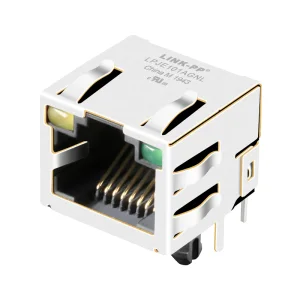
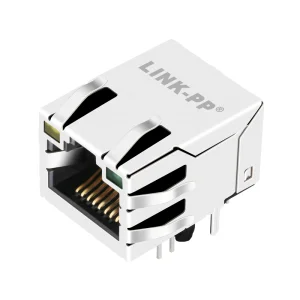
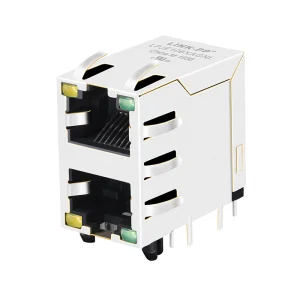
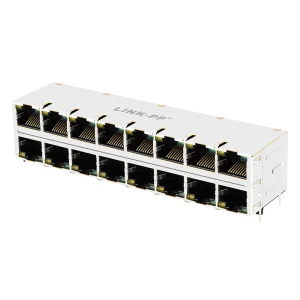
In high-frequency communication circuitry, the physical layer (PHY) interface dictates overall system signal integrity. Traditional RJ45 connectors utilize integrated magnetic modules (commonly referred to as MagJacks) to achieve galvanic isolation, common-mode noise suppression, and impedance matching. However, in modern advanced architectures, separating the magnetic component from the physical jack is crucial.
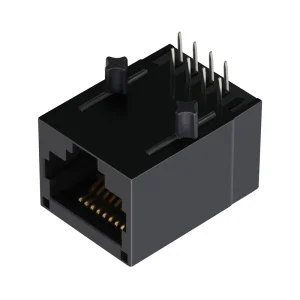
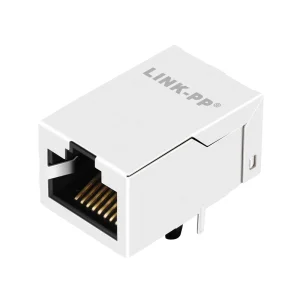
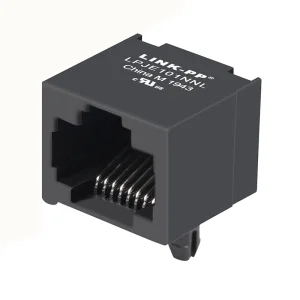
RJ45 without magnetics (also known as non-magnetic modular jacks) function as pure mechanical interfaces. By omitting the internal transformers, common-mode chokes, and isolation capacitors, system design engineers gain direct control over the layout of discrete magnetic packages on the main PCB. This architectural separation yields significant electrical, thermal, and mechanical advantages, making them indispensable in specialized computing environments.
The demand for rugged, high-reliability ethernet infrastructure in Canada is expanding rapidly. Driven by massive investments in telecom modernization, industrial automation, and resource extraction, Canada represents a highly specialized market for physical layer connectivity.
From the aerospace and automation corridors in Quebec and Ontario to the smart grid initiatives and resource sector deployments across Alberta and British Columbia, physical hardware must withstand extreme environmental gradients and meet rigorous regulatory standards.
| Canadian Industrial Segment | Primary Technical Requirement | Key Application Environment |
|---|---|---|
| Telecommunications & Rural Broadband | Long-distance active physical layer translation, Cat6a compatibility | Edge access terminals, pole-mounted active distribution boxes |
| Industrial Automation (Ontario & Quebec) | Vibration resistance, discrete isolation, low PCB height profiles | PLC control modules, robotic arm joints, assembly line controllers |
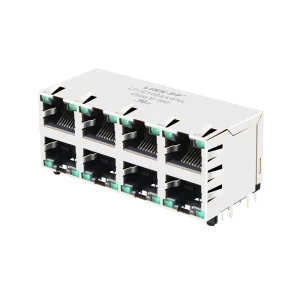
| Hyperscale Data Centers (Montreal Hub) | High density (2x4, 2x8 multi-port layouts), strict thermal budgets | Top-of-Rack (ToR) switches, control plane interfaces, management ports |
| Energy & Resource Extraction (Alberta) | Wide operating temperature (-40°C to +85°C), custom galvanic isolation | Remote monitoring stations, SCADA systems, petrochemical sensor hubs |
Montreal has emerged as one of the premier green data center hubs globally, utilizing low-cost hydroelectric power and cold-climate free-cooling architectures. High-speed networking nodes deployed here utilize optical fiber links alongside copper management interfaces. The RJ45 modules without magnetics are critical on the network card controllers, baseboard management controllers (BMCs), and out-of-band management systems. They allow systemic decoupling of isolation components, facilitating superior thermal characteristics in environments running dense processing tasks.
In high-reliability networking, physical hardware sourcing must combine scalable volume production with localized engineering support. As a trusted manufacturer, LumoWave Optical Technology Co., Ltd. bridges global production scale with localized integration services.
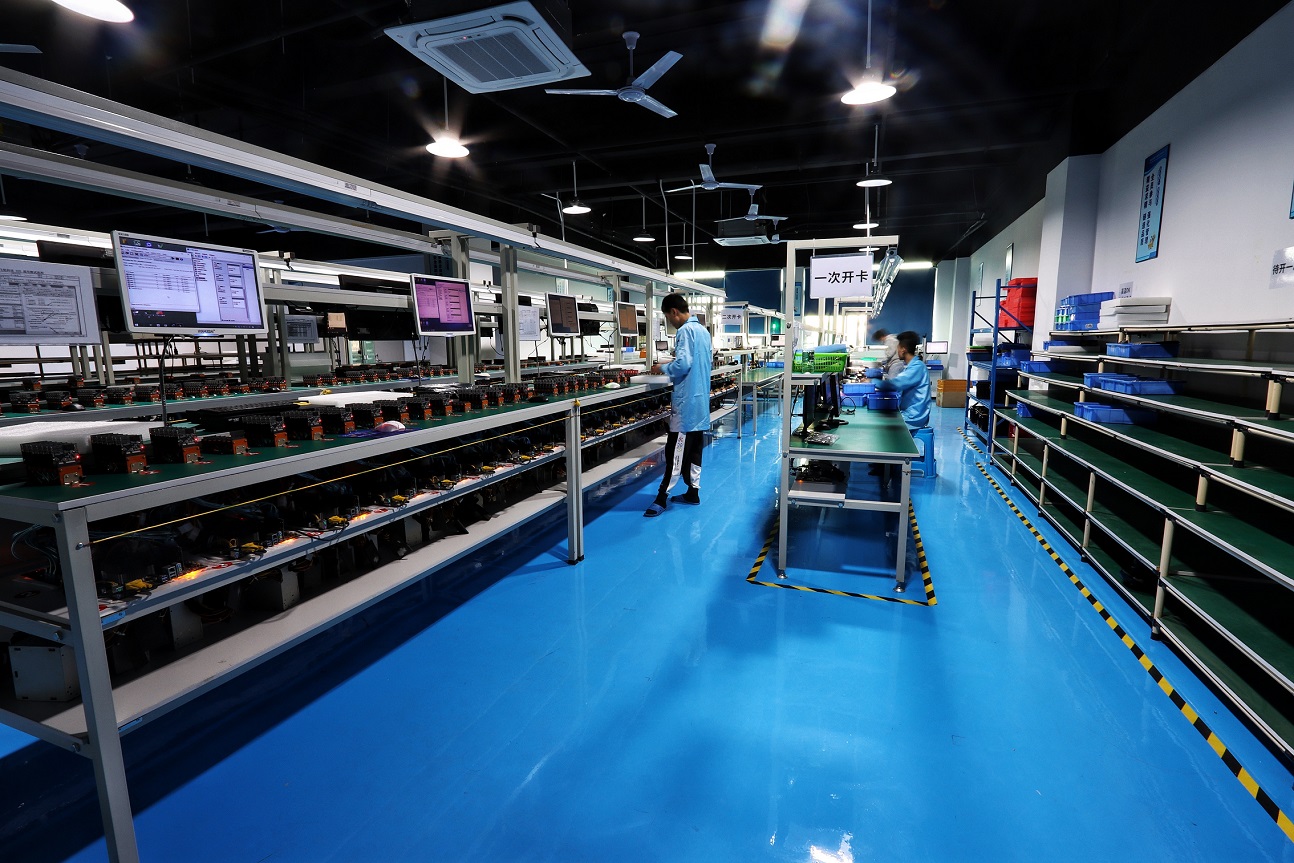
Operating an expansive 320,000㎡ manufacturing complex, we deliver robust, high-performance OEM/ODM copper interfaces alongside our flagship 10G to 800G optical communication modules. Having operated for over 12 years in the advanced connectivity domain, we ensure that every RJ45 without magnetics shipment bound for Canada conforms to strict international regulatory frameworks, including CSA, UL, and CE.
Our global supply footprint links over 1,200 ecosystem partners. This enables us to maintain raw material reserves, guaranteeing lead-time stability for large-scale infrastructure rollouts across Canada’s provinces.
The networking industry is transitioning towards multi-gigabit copper protocols (2.5GBASE-T, 5GBASE-T, and 10GBASE-T) running concurrently with optical fiber pipelines. This convergence demands that board-level copper interfaces adapt dynamically.
Below is the engineering roadmap highlighting the architectural shift in physical layer copper design:
Modern high-speed systems use surface-mount (SMT) or through-hole reflow (THR) non-magnetic connectors to optimize placement density. Since magnetic coupling components are situated elsewhere on the board, the connection plane directly interfaces with traces running matched-differential impedance (typically 100 ohms).
Without magnetic components taking up physical room, our connectors can incorporate custom LED signaling configurations directly into the housing. This allows for status indicators directly wired to diagnostic microcontrollers (supporting green, yellow, bi-color, or tri-color arrays).
As high-speed transceivers move from pluggable modules towards co-packaged optics (CPO), copper interfaces remain essential for local telemetry, diagnostic monitoring, and management. Decoupled RJ45 configurations ensure that copper interconnect paths do not introduce high-frequency parasitic parameters near sensitive optical modulator chips.
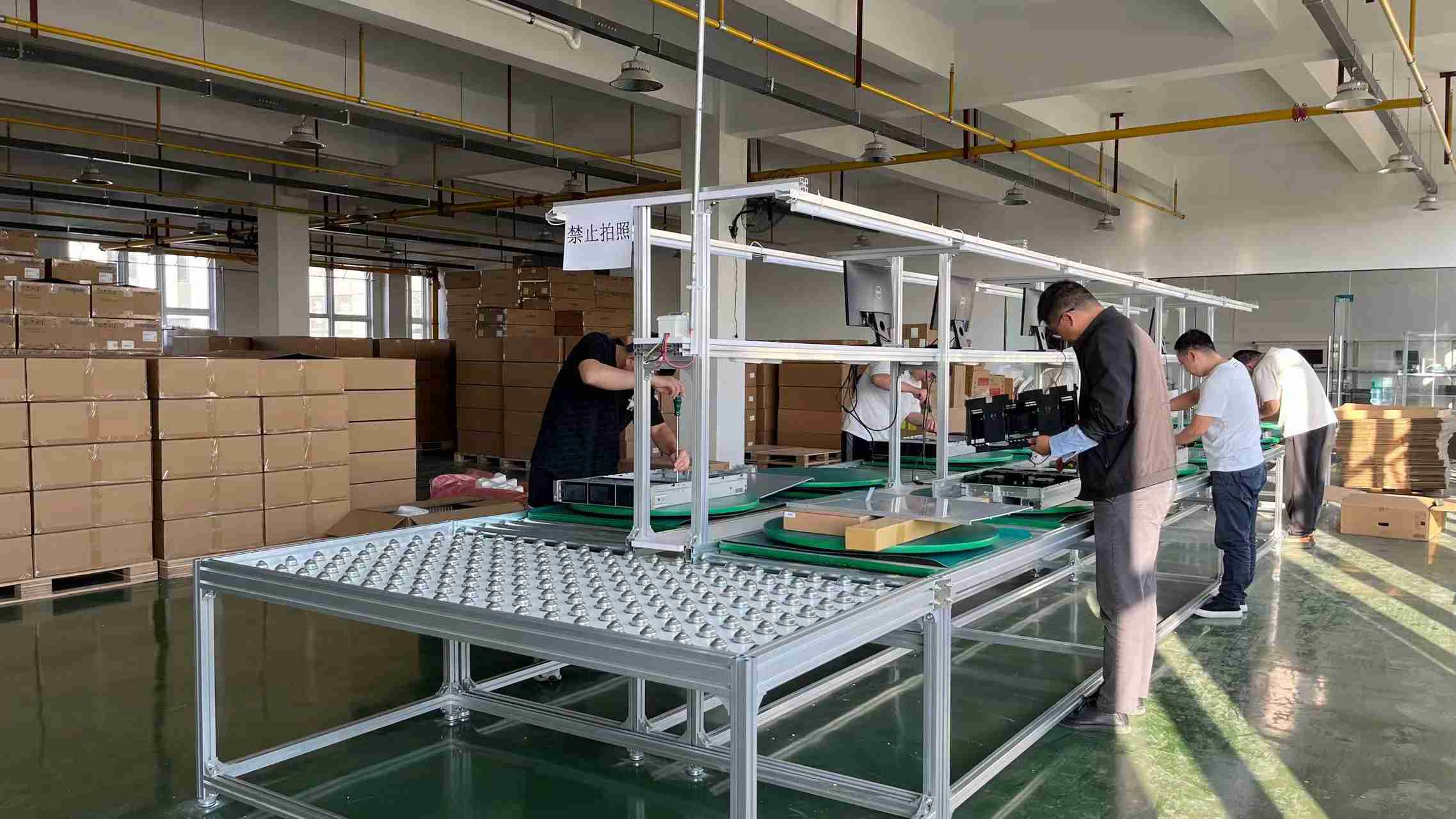
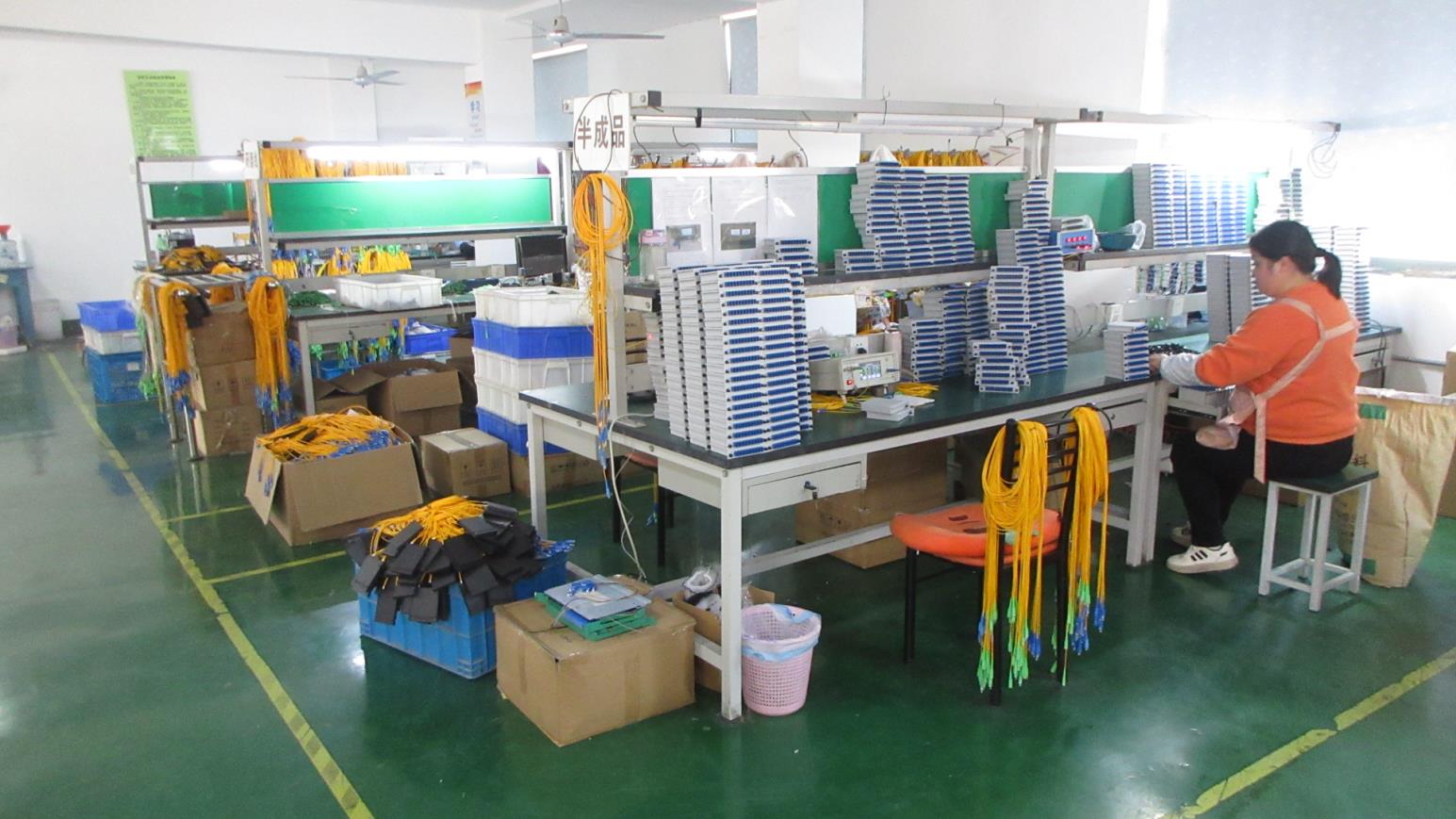
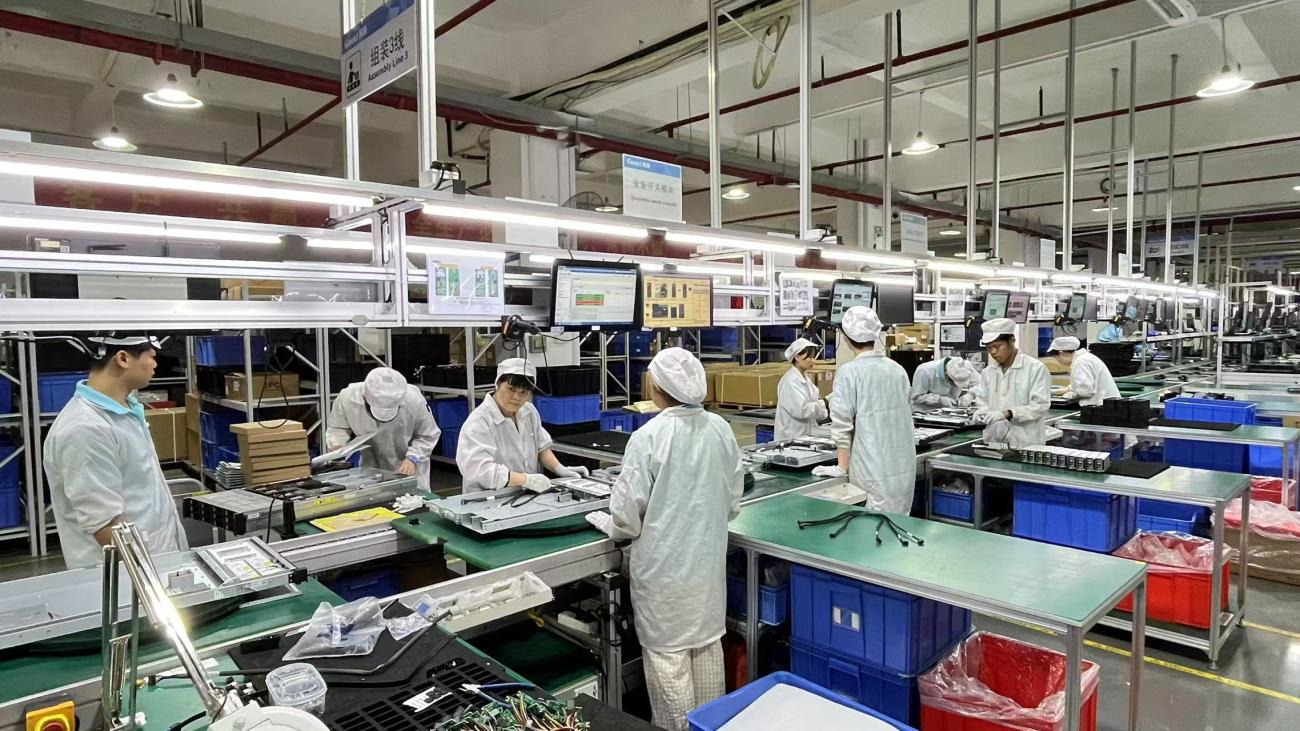

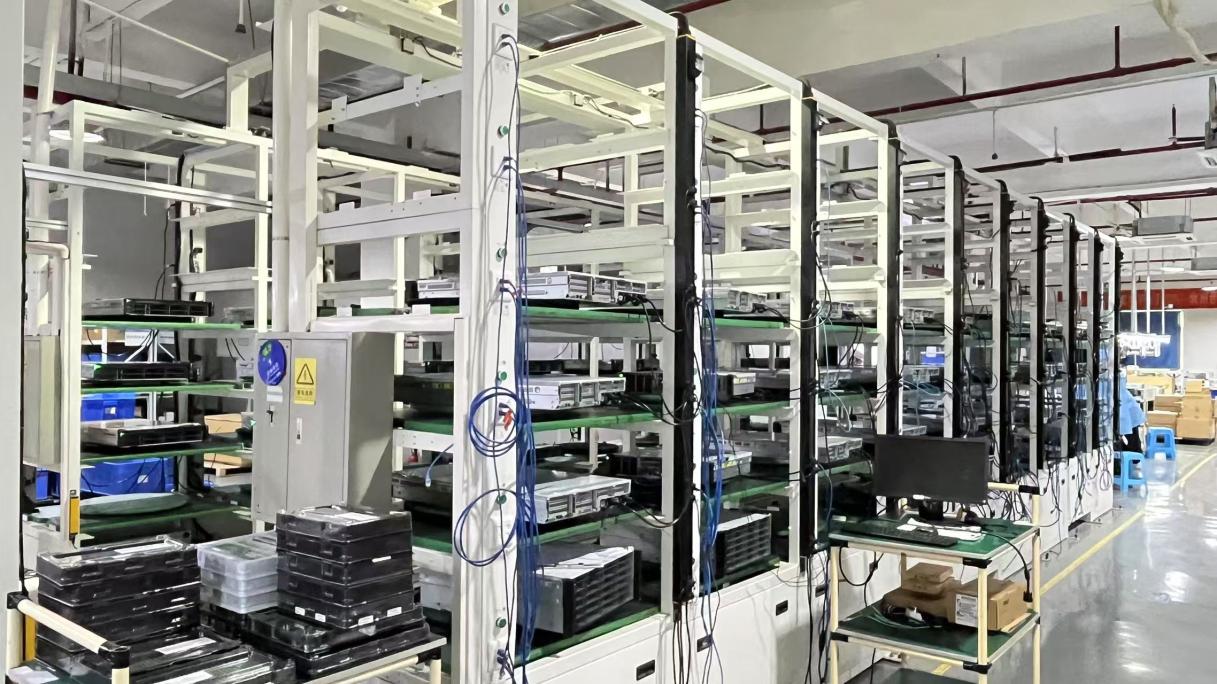
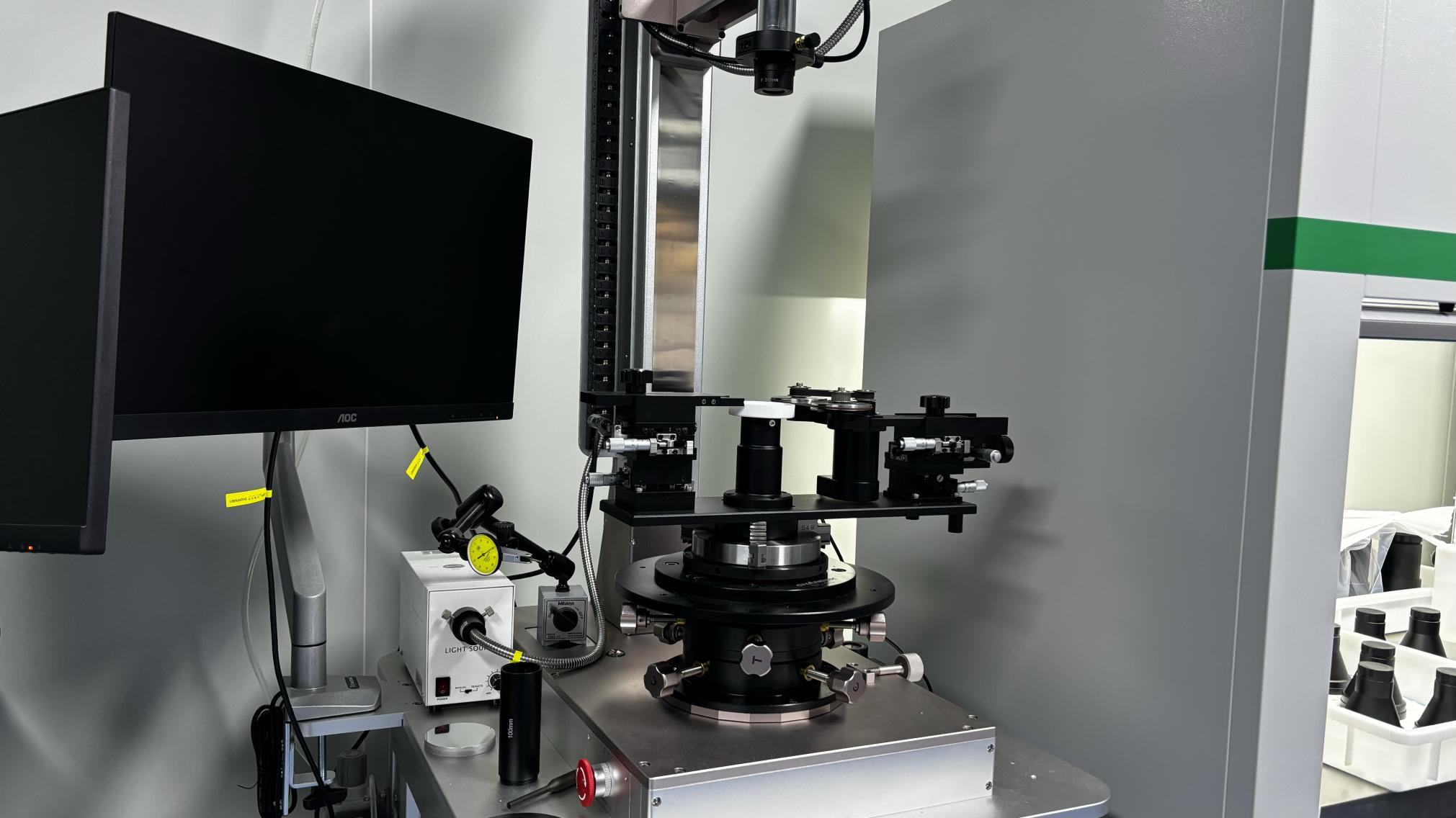
Industrial-grade, high-reliability non-magnetic designs for robust mechanical deployment
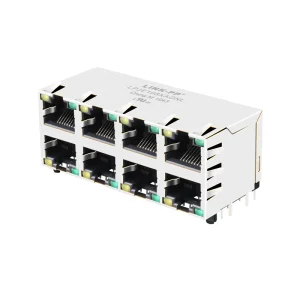
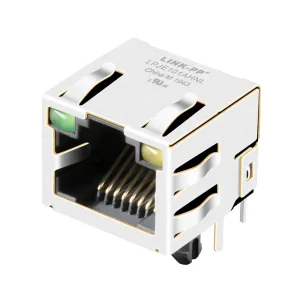
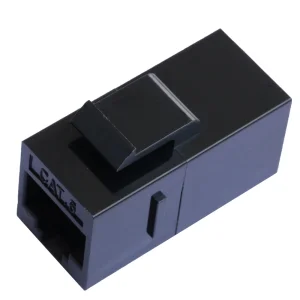
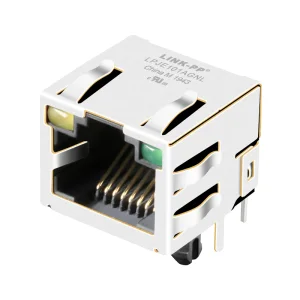
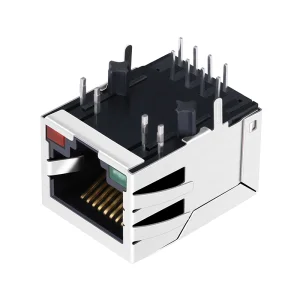
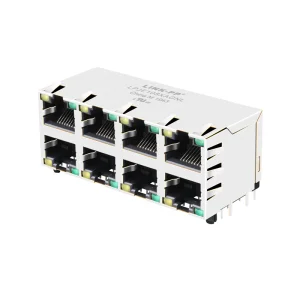
Engineering support for non-magnetic connectivity deployments
LumoWave Optical Technology Co., Ltd. is a professional optical transceiver manufacturer specializing in high-speed fiber optic communication solutions for global data centers, telecom operators, and enterprise networking applications. Built under the brand LumoWave, the company is committed to delivering stable, high-performance, and cost-effective optical modules ranging from 10G to 800G, including SFP, QSFP, QSFP-DD, and coherent transmission solutions.
Founded in 2016, LumoWave has developed into a reliable OEM/ODM supplier with a modern production facility covering approximately 320,000㎡. The company generates an annual export revenue of around $12 million, with 8 years of export experience and 12 years of industry expertise in optical communication technologies.
LumoWave operates a comprehensive quality assurance system, including incoming material inspection (IQC), in-process quality control (IPQC), and final product testing (FQC). Advanced testing methods such as optical power testing, BER testing, wavelength accuracy testing, temperature cycling, and aging stress tests are strictly implemented to ensure product reliability. The company employs 45 dedicated quality control personnel to maintain strict compliance with international standards.
With a strong international trade background, LumoWave serves major markets including North America, Europe, Southeast Asia, and the Middle East. Its supply chain ecosystem includes more than 1,200 upstream and downstream partners, supporting scalable and flexible production capabilities.
The company’s main customer base includes telecom operators, data center integrators, cloud service providers, system equipment manufacturers, and network solution providers. LumoWave also provides flexible customization options, including wavelength tuning, distance optimization, EEPROM programming, and private labeling services.
Driven by strong innovation capabilities, LumoWave has a dedicated R&D team of 85 engineers, and released approximately 120 new product designs last year, focusing on next-generation high-speed transmission technologies and energy-efficient optical solutions.
LumoWave continues to invest in research and development, ensuring compatibility with evolving global network standards and maintaining its position as a trusted partner in the optical communication industry worldwide.
 LumoWave